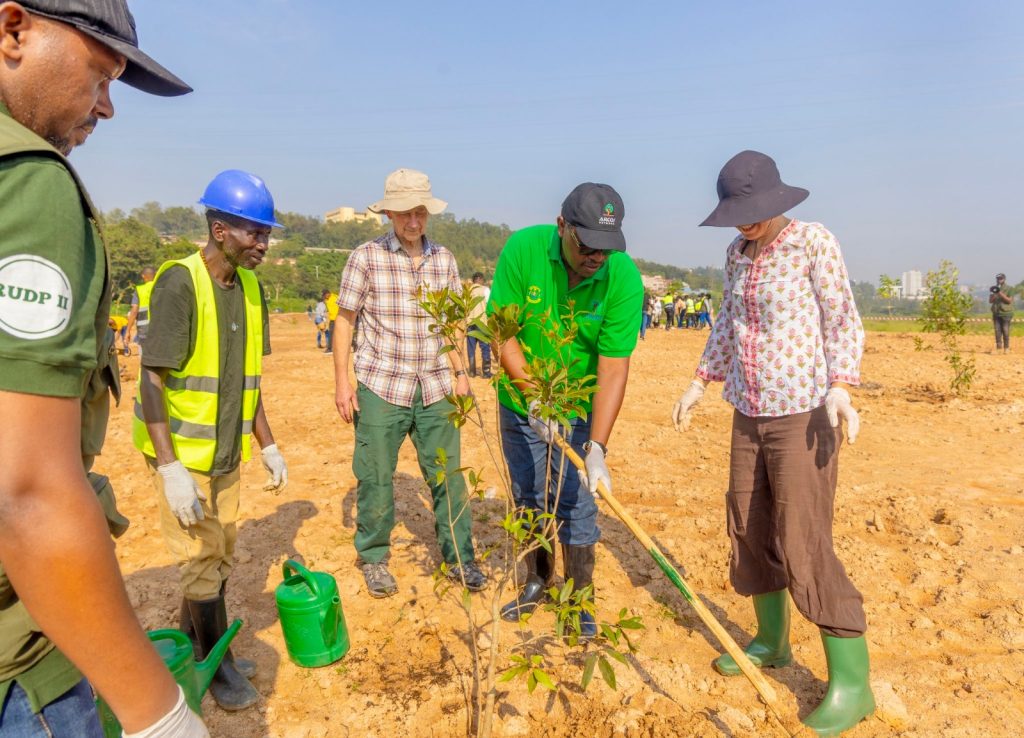
Kigali, Rwanda combined its monthly community work (Umuganda) with the celebration of World Wetlands Day on 31 January 2026 at Gikondo Wetland, one of the wetlands currently under rehabilitation in the city.
World Wetlands Day, observed globally on 2 February, aims to raise awareness about the importance of wetlands for people and the planet. This year’s theme, “Wetlands and Traditional Knowledge: Celebrating Cultural Heritage,” emphasises the link between wetlands, cultural practices, and community knowledge systems.
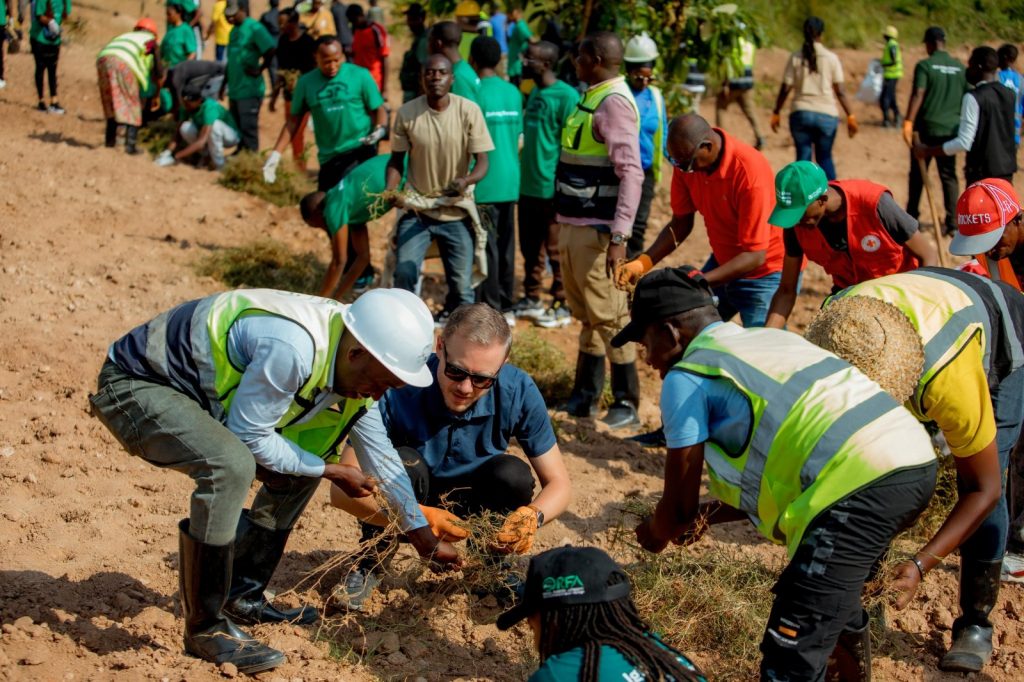
The Umuganda brought together government leaders, development partners, local communities, civil society organisations, and private sector representatives to participate in hands-on restoration activities, including tree and grass planting, waste cleanup, and community dialogues on wetland conservation.
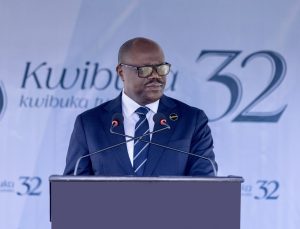
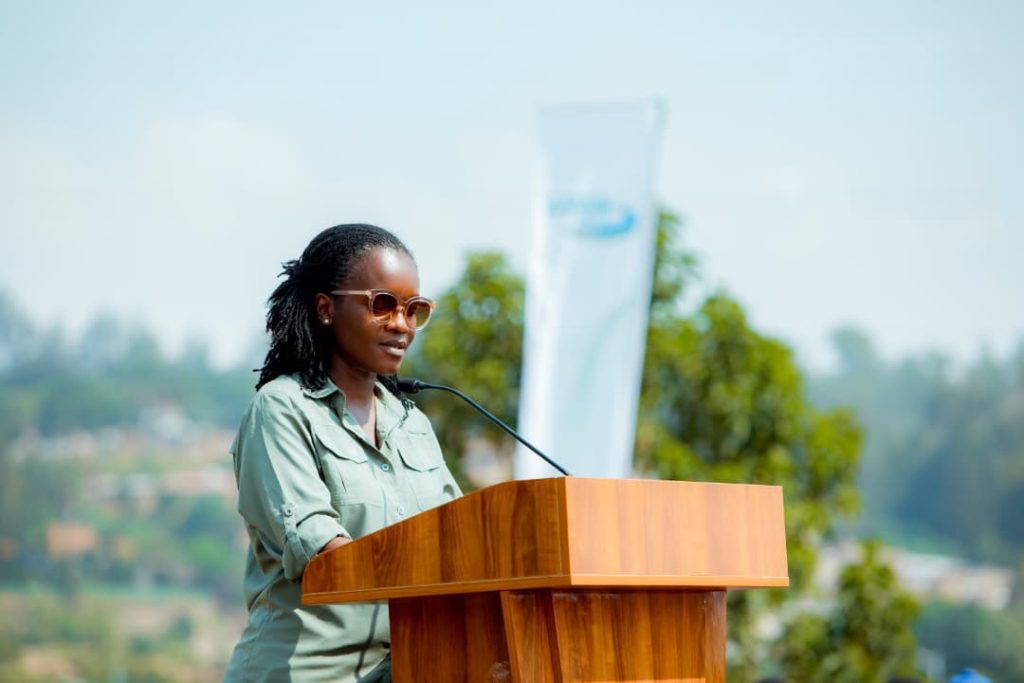
Addressing participants, Minister of Environment Dr. Arakwiye Bernadette noted that Umuganda represents a collective duty to safeguard natural ecosystems.
She emphasised that cooperation among communities, institutions, and partners is vital for fostering a resilient and sustainable future.
“By working together to protect wetlands, we are also building sustainable development and a better future for our country,” The Minister added.
Among the key partners supporting the restoration are the Global Environment Facility, Nordic Development Fund, Rwanda Green Fund, the World Bank, the Government of Rwanda, the Government of Denmark, and the Pilot Program for Climate Resilience.
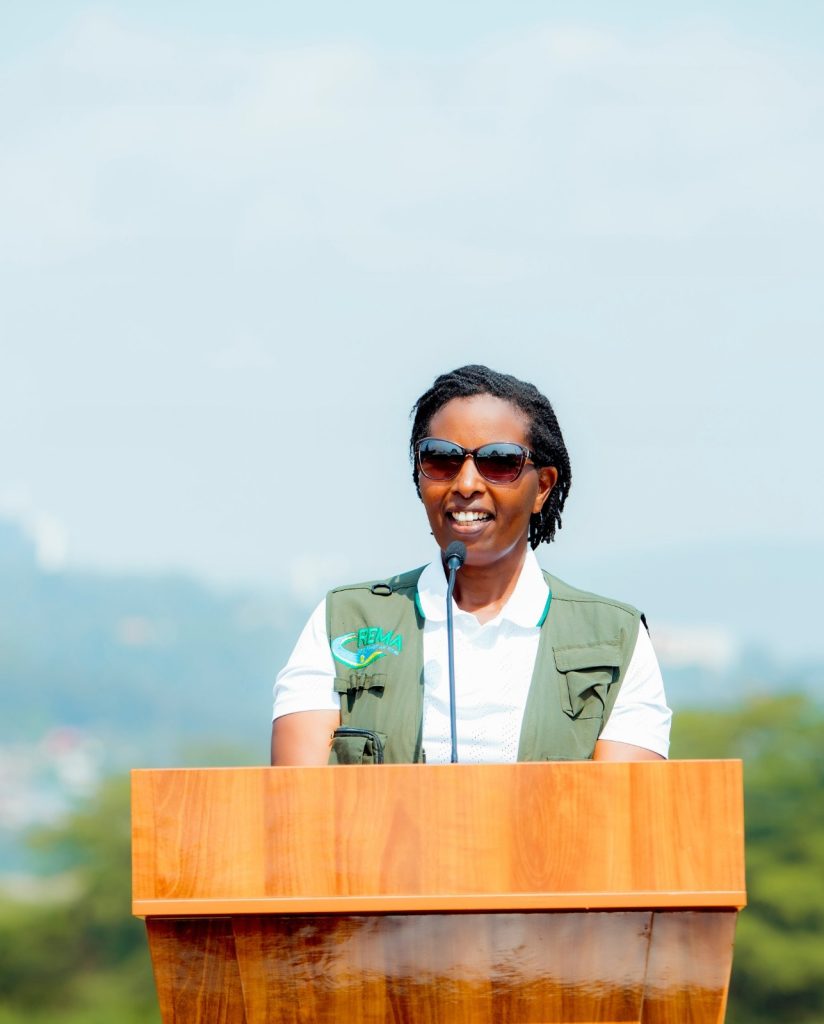
Rwanda Environment Management Authority Director General Juliette Kabera explained that the initiative was designed not only to restore Gikondo Wetland but also to actively involve nearby communities, emphasising that residents are the primary and most important partners in protecting the ecosystem.
“We were planting trees and grass, but we also wanted communities to see the activities taking place so they can contribute to protecting what is being restored.” The REMA Director General said.
She also noted that engaging Kigali residents was crucial, as nearby communities play a key role in keeping waste out of the wetland. In addition, the restored wetland will serve as a site for students to conduct science-based studies, including biology, while also providing recreational opportunities and benefits for the wider community.
REMA encouraged Kigali residents to take ownership of the wetland, noting that it belongs to them and will significantly benefit the city.
Gikondo Wetland is among five wetlands currently being restored by REMA, including Rugenge,Rwintare, Nyabugogo, and Kibumba wetlands, under the Second Rwanda Urban Development Project (RUDP II).
Moreover, wetlands play a vital role in environmental protection by filtering water, absorbing pollutants, controlling floods, supporting biodiversity, regulating climate through carbon storage, and providing economic benefits to surrounding communities.
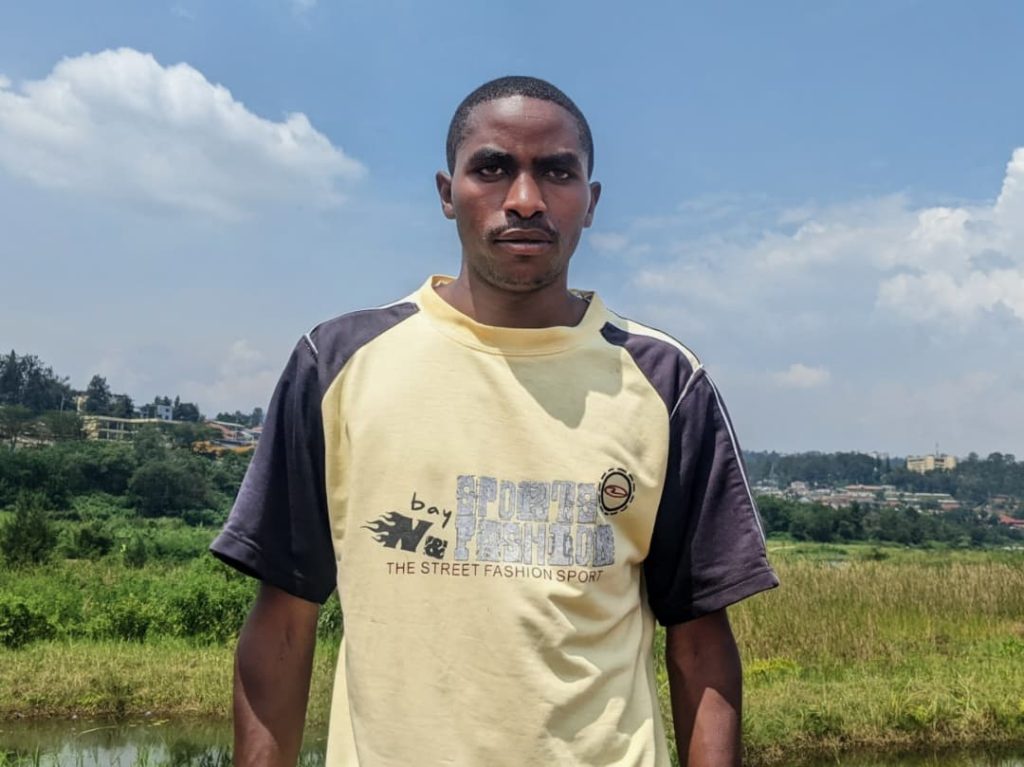
Potient Nkerabigwi, a Kigali resident, said wetland protection personally benefits him through cleaner air and recreational opportunities. He urged fellow residents to safeguard wetlands and report activities that could undermine progress, while pledging to continue supporting conservation efforts.
The Gikondo Wetland Umuganda demonstrated Rwanda’s commitment to environmental conservation, showing how community engagement, institutional support, and international partnerships can effectively restore critical ecosystems.
As the country continues integrating wetland protection into national development strategies, authorities and residents underscore that sustained public involvement is essential to safeguard these ecosystems and ensure they continue to provide ecological, social, and economic benefits for generations to come.