
The ongoing conflict has heightened concerns over potential disruptions to global oil supplies, driving up international fuel prices and putting pressure on countries that rely heavily on imported petroleum products. Rwanda, a landlocked nation that imports all of its refined fuel, remains particularly vulnerable to such external shocks.
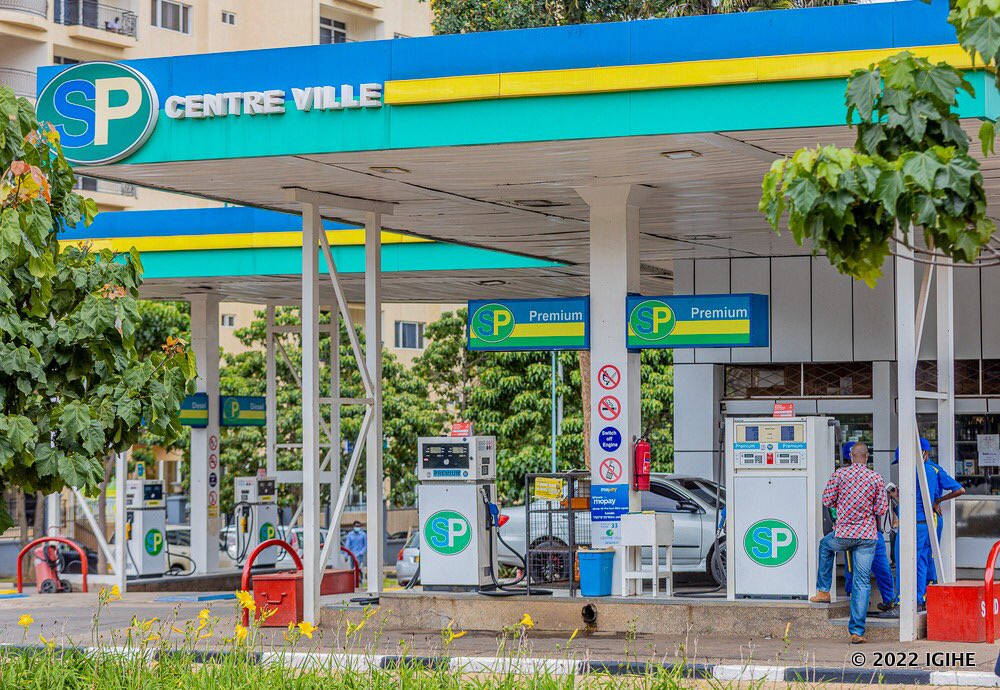
In response to rising international oil prices, the Rwanda Utilities Regulatory Authority (RURA) recently revised domestic fuel prices, setting the maximum price of premium petrol at Rwf 2,938 per litre and diesel at Rwf 2,927 per litre.
However, government officials have emphasized that efforts are being made to cushion consumers from the full impact of these increases. Prime Minister Dr. Justin Nsengiyumva recently revealed that without government support, diesel prices would have climbed much higher.
According to the Prime Minister, state subsidies have helped absorb part of the increase caused by higher international oil prices. As a result, consumers continue to pay less than they otherwise would under purely market-driven conditions.
Beyond fuel pricing, the government has also maintained subsidies for public transportation, ensuring that bus fares remain unchanged despite the increase in operating costs.
This intervention has been particularly significant for thousands of commuters who rely on public transport every day. In a context where higher fuel prices often translate into increased transport costs and rising prices for goods and services, keeping fares stable has helped shield households from additional financial strain.
Economic analysts say this approach has played an important role in limiting inflationary pressures.
“When fuel prices rise sharply, the effects are felt across the entire economy, from transportation and food distribution to household expenses,” said one Kigali-based economist. “By stabilizing public transport costs, Rwanda is helping prevent those price increases from spreading more broadly.”
The government’s strategy reflects an effort to strike a balance between responding to international market realities and protecting citizens from the most severe economic consequences of external crises.
While Rwanda cannot control fluctuations in global oil markets, policymakers have sought to slow the transmission of those shocks into the domestic economy through targeted interventions and subsidies.
Officials have indicated that these measures are part of a broader commitment to safeguarding economic stability during a period of heightened geopolitical uncertainty.
For Rwanda, the current situation highlights both the risks associated with dependence on imported energy and the importance of having policy tools capable of mitigating those risks.
As uncertainty persists in global energy markets, Rwanda’s experience is increasingly being viewed as an example of how governments can use strategic interventions to manage imported inflation, preserve purchasing power and maintain social stability.
Although international fuel prices remain beyond the country’s control, Rwanda’s focus on stabilizing transport costs and cushioning consumers demonstrates a deliberate effort to ensure that global crises do not unnecessarily translate into hardship for ordinary citizens.