
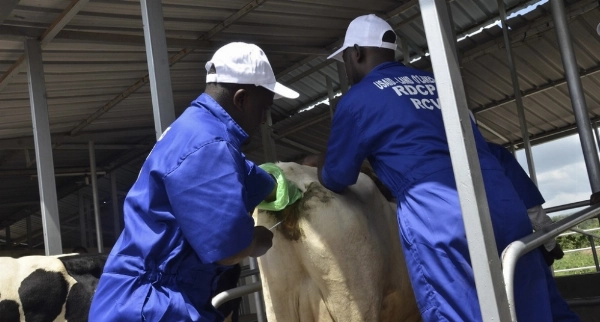

Minister of Agriculture and Animal Resources, Ndabamenye Telesphore, has announced that Rwanda is planning to build a new nitrogen plant in Kayonza District.
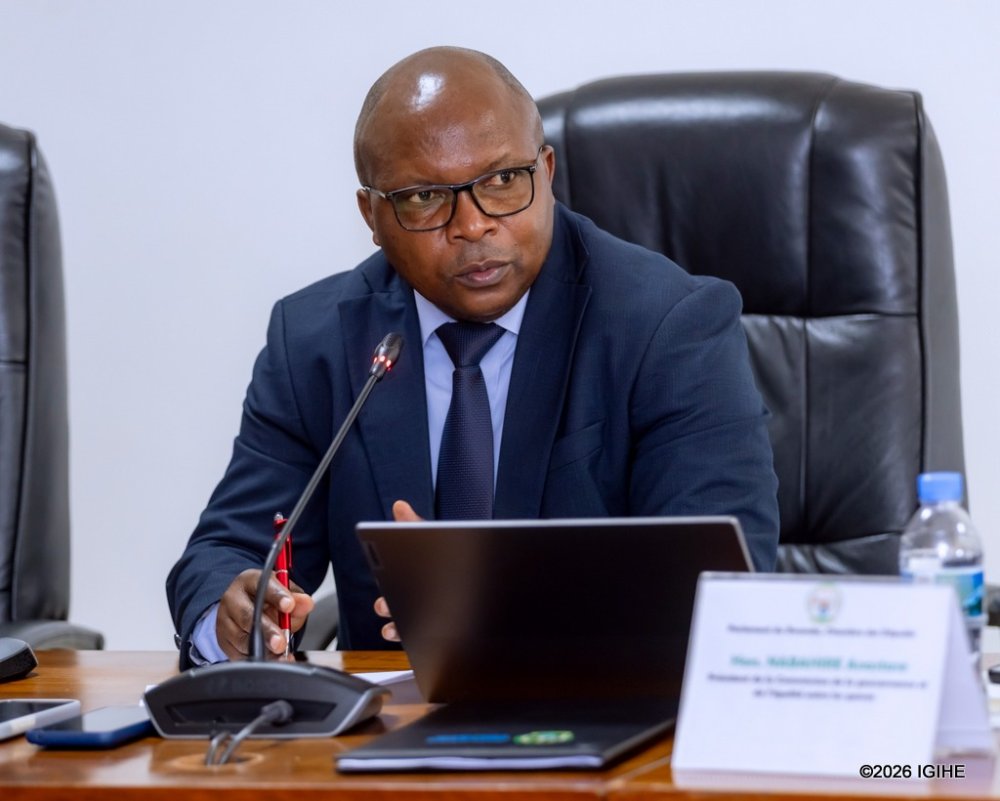
He made the remarks during a meeting with Members of Parliament from the Committee on Governance, Gender Equality, and Women Empowerment, while reviewing a report by the Rwanda Governance Board on March 17, 2026.
Minister Ndabamenye stated that Rwanda plans to import 20 bulls that will help produce semen aimed at improving modern livestock farming.
“There is a technology we want to introduce to produce semen that matches our needs. As you know, we have heifer calves and bulls. To increase the number of cattle, we need more heifers because they are the ones that reproduce,” He said.
He added that “We aim to have many heifers and inseminate them using semen from bulls. We have a specialized facility in Songa, those who visit can see it. We previously had six bulls, we added 10 more, and we plan to bring in another 20 this year so that we can produce enough semen doses to meet our needs.”
He explained that the semen must be stored under special conditions to prevent damage or loss.
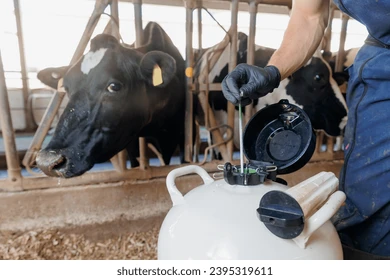
“These semen doses require proper storage using liquid nitrogen technology. We have also taken steps to increase the number of nitrogen-producing machines to ensure proper storage,” he said.
He noted that, to meet the growing demand for nitrogen used in storing and transporting semen, a third nitrogen plant is planned to be built in Kayonza by 2026.
He added that this will go hand in hand with training livestock veterinarians, with at least 1,500 expected to be trained in professional artificial insemination techniques.
Beyond cattle, there are currently seven sites for pig artificial insemination, and drones from Zipline are being used to deliver semen to farmers quickly, helping prevent spoilage since it has a short lifespan.