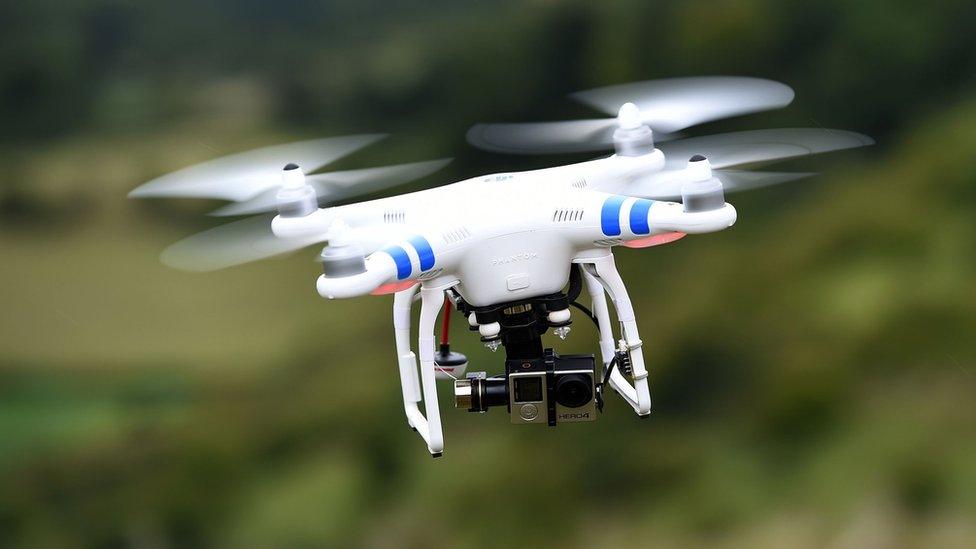

The announcement was made by REMA Director General Juliet Kabera on Tuesday, June 30, while appearing before the Rwandan Senate Committee on Foreign Affairs, National Unity and Security during discussions on strategies to reduce disaster risks.
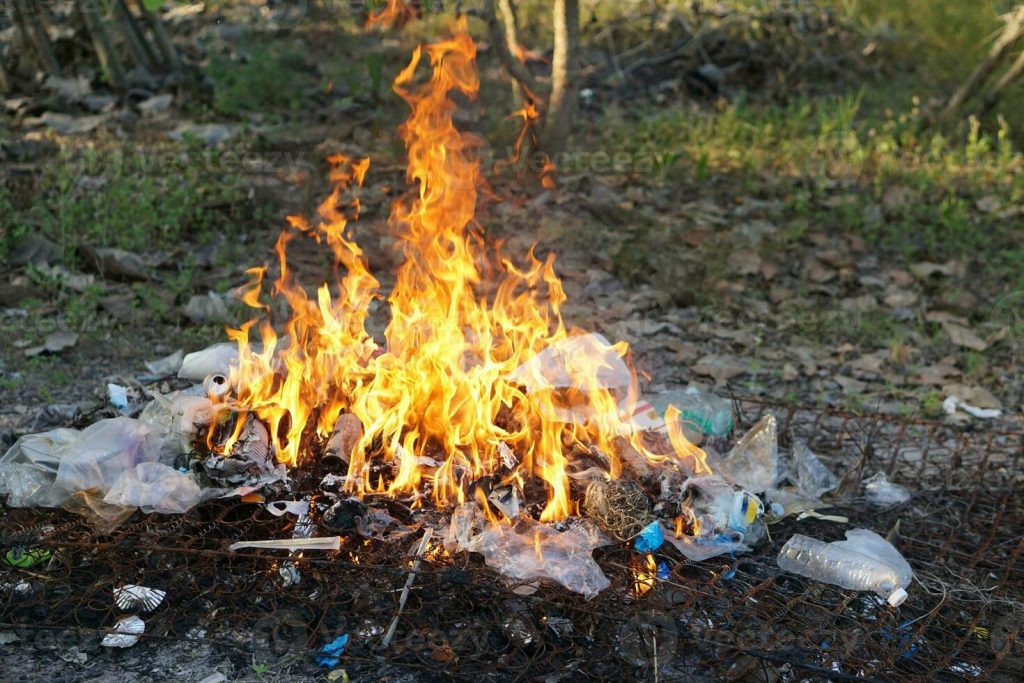
“We are introducing new technology, and by the end of August we will have our first drones to help monitor illegal waste burning. They will enable us to identify and apprehend those who burn waste at night,” Kabera said.
She explained that the drones will also help authorities detect the illegal burning of hazardous waste, including medical waste generated by healthcare facilities, which is often difficult to identify through routine inspections.
“There is also hazardous waste that people burn, such as waste from healthcare facilities. It is difficult to detect during regular inspections, but this technology will help us identify such activities,” she added.
Kabera noted that the use of drones will also help address the shortage of environmental inspectors within REMA.
She revealed that the agency currently has only 13 environmental inspectors among its approximately 120 employees, many of whom are assigned to various development projects.
“We will continue strengthening the use of technology, and collaboration with other service providers will also help us as we work toward sustainable solutions,” she said.
The introduction of drones is part of a broader government initiative to strengthen enforcement against air pollution and improve compliance with environmental protection laws.
REMA is also preparing to expand emissions monitoring beyond motor vehicles to include factories and other industrial activities, as part of efforts to reduce air pollution across the country.
Over the past several years, Rwanda has significantly expanded the use of drone technology across multiple sectors.
Drones are already being used to monitor illegal mining activities and assist the Rwanda National Police in traffic management and road safety operations.
They also play a key role in the country’s healthcare and agriculture sectors, transporting blood, medicines, and other medical supplies to health facilities, as well as supporting various agricultural activities.