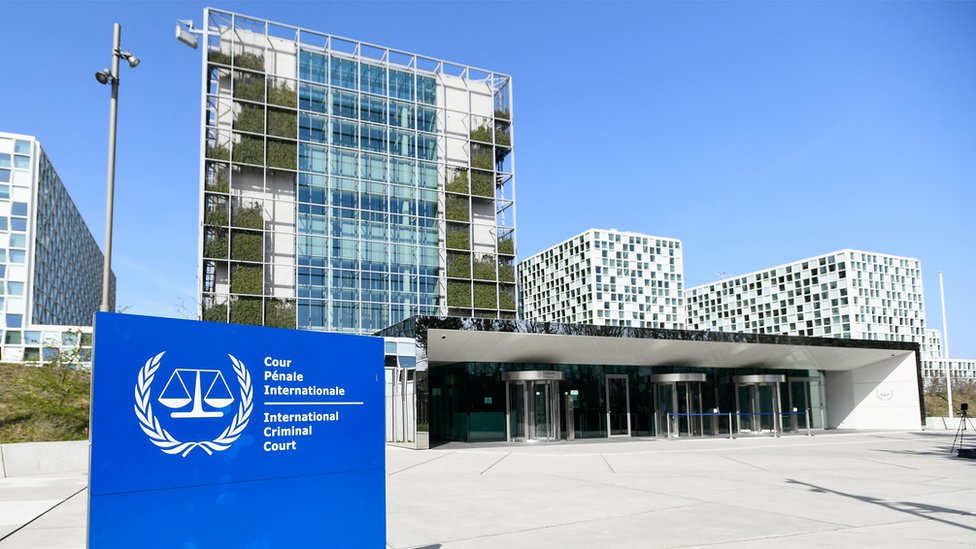
A high stakes legal hearing between the Government of Rwanda and the United Kingdom has officially commenced today, March 18, at the Permanent Court of Arbitration in The Hague. The case, widely referred to as Rwanda v. UK, marks a significant development in ongoing legal and diplomatic engagements between Rwanda and the United Kingdom.
Officials and legal representatives from both sides appeared before the tribunal as proceedings formally got underway, drawing international attention due to the broader implications for bilateral agreements and international law.
Rwanda’s position: A matter of principle
Rwanda has made it clear that the case is not driven by financial motives. In its opening stance, Kigali emphasized that the arbitration is not about securing monetary compensation or any form of financial gain.
Instead, Rwanda argues that the dispute centers on principles of legal interpretation, mutual obligations, and the integrity of agreements entered into between sovereign states.
According to Rwandan representatives, the case seeks to establish clarity and reaffirm commitments under international frameworks, rather than pursue damages.
While full details of the dispute are being addressed within the arbitration process, the case is understood to stem from disagreements over the implementation and interpretation of bilateral arrangements between the two countries.
The Permanent Court of Arbitration provides a neutral platform for resolving disputes involving states, international organizations, and private parties. Its role in this case underscores the seriousness with which both parties are approaching the matter.
Legal experts note that arbitration at this level often focuses on treaty obligations, state responsibility, and the application of international law principles.
Implications for Rwanda and UK Relations
The proceedings come at a time when relations between Rwanda and the United Kingdom have been under close scrutiny. Observers say the outcome of the case could influence not only bilateral ties but also future agreements involving international cooperation.
For Rwanda, the case represents an opportunity to assert its legal position on the global stage, reinforcing its commitment to rules-based dispute resolution.
For the United Kingdom, the arbitration presents a chance to clarify its interpretation of the contested issues while maintaining its standing in international legal forums.
The outcome could help define not only the future of Rwanda and UK relations but also the standards governing international agreements in an increasingly complex global landscape.