
In February 2019, the Government of Rwanda signed a 25-year agreement with Gasmeth Energy to extract methane gas and process it for cooking, industrial use, and transport.
Under the agreement, Gasmeth Energy is expected to extract up to 40 million cubic meters of methane gas per day from Lake Kivu.
The project is expected to supply cooking gas to between 300,000 and 400,000 households, based on current usage levels.
On August 18, 2022, the Government of Rwanda and Gasmeth laid the foundation stone for a gas processing plant in Bwishyura Sector, Karongi District, after which initial construction works began.
The project is now at an advanced stage, and Rwandans are expected to start using locally produced gas in the near future.
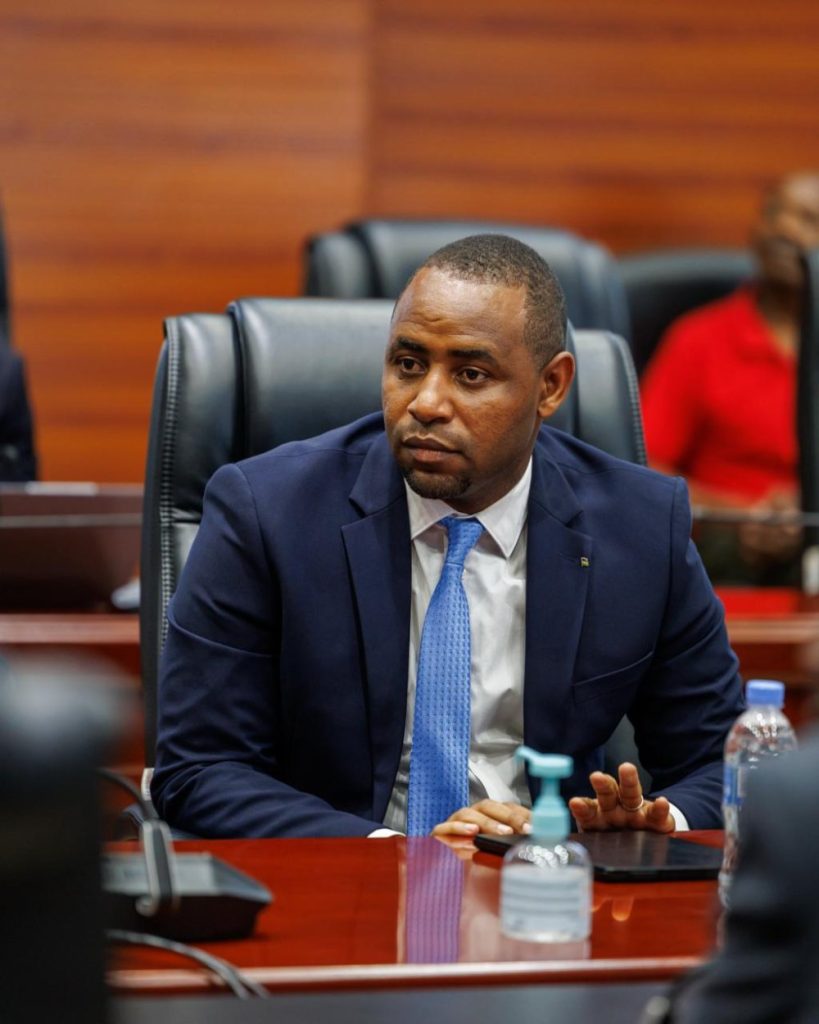
State Minister in the Ministry of Infrastructure, Jean de Dieu Uwihanganye, in a media talk show on April 5, 2026, alongside the Minister of Trade and Industry, Prudence Sebahizi, announced that Rwanda will begin accessing cooking gas extracted from Lake Kivu in the first quarter of 2028.
Uwihanganye said, “This is a long-standing project. We will begin to see cooking gas in the first quarter of 2028. Gas from Lake Kivu can do many things, but it is mainly used for generating energy. We already have about three power plants using it.”
These include the Shema Power plant located in Busoro Cell, Nyamyumba Sector, Rubavu District, which began construction in October 2019 and was completed in February 2024 at a cost of 400 billion RWF.
Another is the KivuWatt Power Plant in Karongi, while a third plant-recently approved by the Cabinet, is expected to generate 185 megawatts and begin operations in 2029/30.
Uwihanganye added that the cooking gas project has progressed significantly, and by early 2028, it will be available to a large portion of the population.
He explained that priority will be given to institutions such as schools, hospitals, residential communities, and prisons, which will help reduce pressure on bottled gas for individual households.
He noted that this is only the first phase of a three-part project, and if successful, Rwanda will expand production to reduce reliance on imported gas.
To further strengthen gas supply, Rwanda is also constructing storage facilities with a capacity of 9,000 tons, expected to begin receiving gas by August.
The cooking gas initiative gained urgency amid rising fuel prices in recent times.
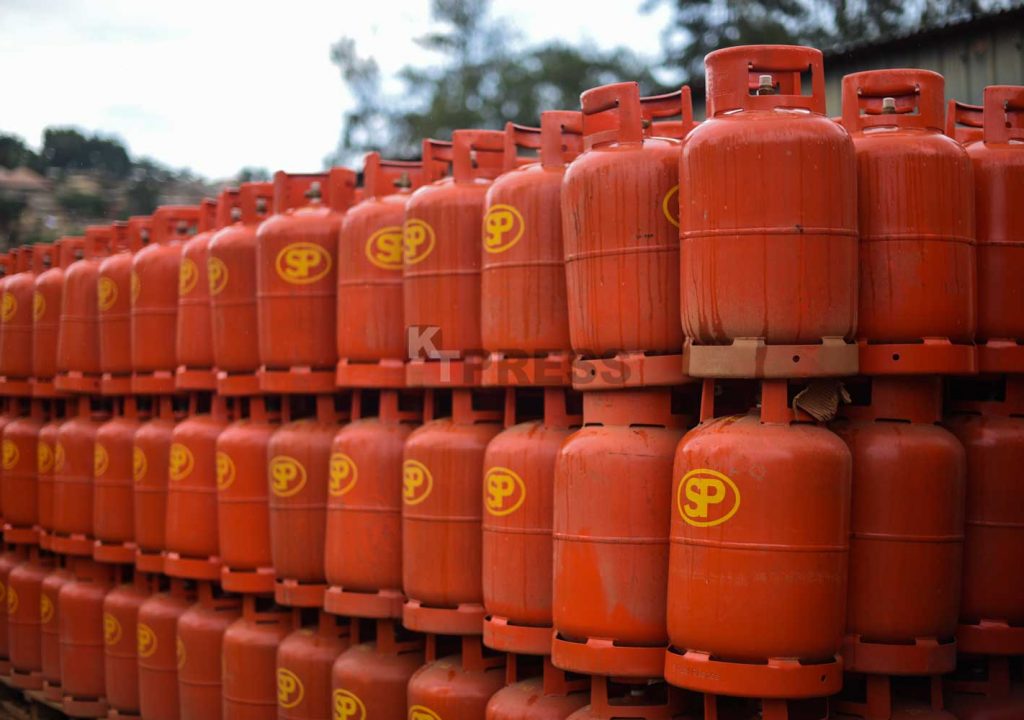
For example, at Société Pétrolière Limited (SP), the price of cooking gas is 1,954 RWF per kilogram, with a 6kg cylinder costing 11,670 RWF.
Minister Sebahizi explained that the government does not set gas prices as it does for petrol, since importers determine pricing based on purchase costs and future supply expectations.
He illustrated this with industries such as CIMERWA, where price increases are communicated to consumers based on production costs, rather than being fixed by the government.
Sebahizi emphasized that while the government does not interfere in market pricing, it may intervene if there is evidence of unfair practices, such as monopolistic behavior.
Rwanda aims to reduce the number of households using traditional fuels like firewood and charcoal to at least 42% by 2030, with an estimated investment of $1.37 billion allocated to achieve this goal.