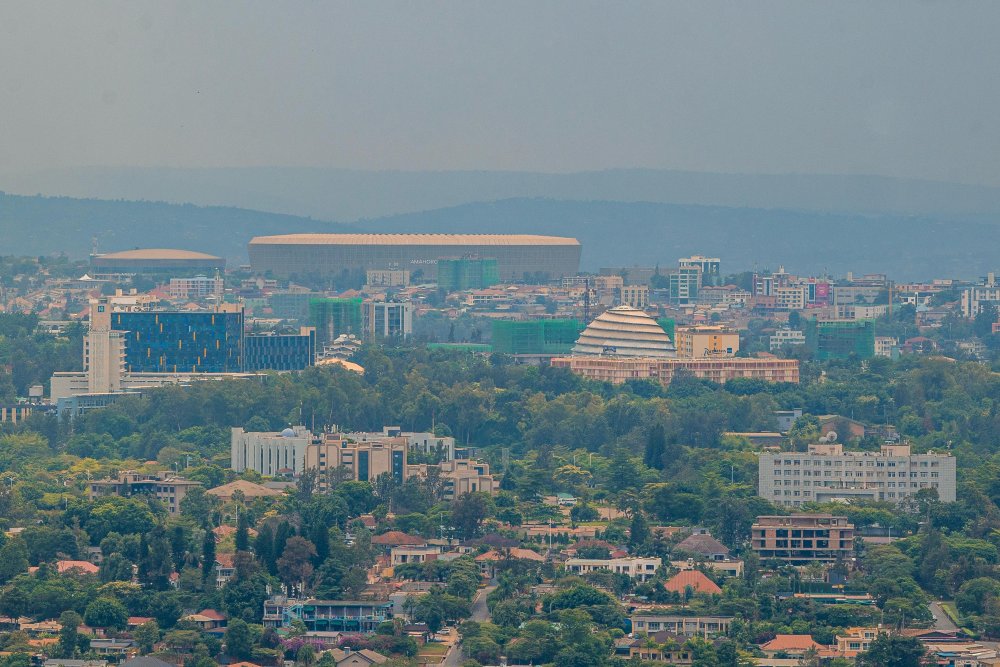

The growth in the economy was driven mainly by the services sector, which accounted for 52%, followed by industry at 22%, while agriculture contributed 20%.
In the fourth quarter of 2025, the economy grew by 11.2%, compared to 6.5% in the first quarter, 7.8% in the second quarter, and 11.8% in the third quarter.
These figures were released at a time when ongoing conflict in the Middle East particularly involving Iran, the United States, and Israel is affecting other countries such as the United Arab Emirates, which is an important export market for Rwanda.
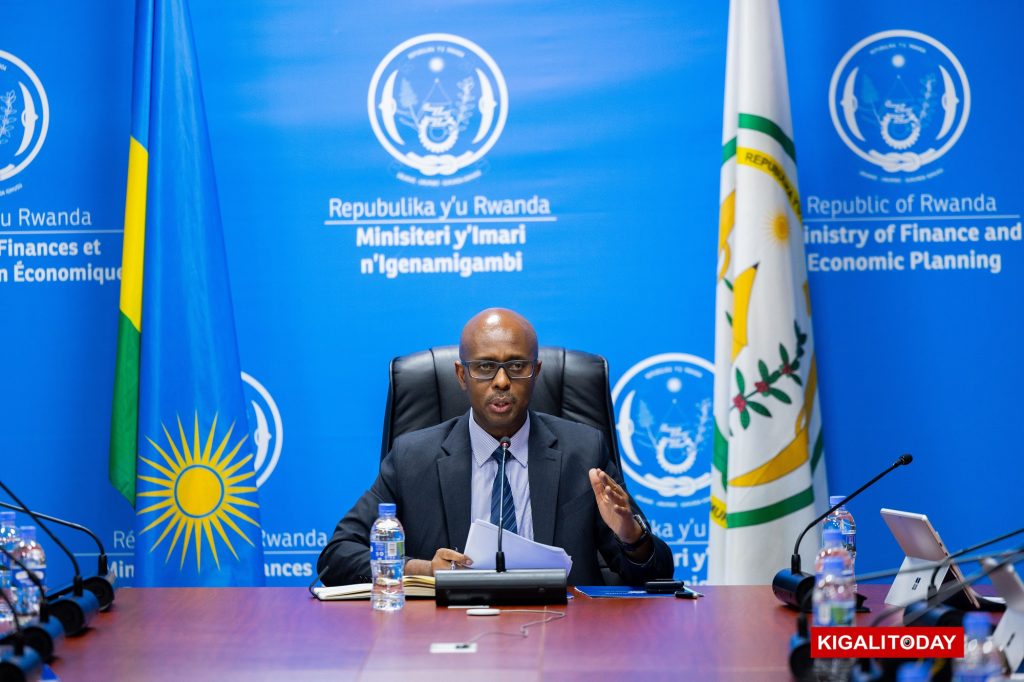
The Minister of Finance and Economic Planning, Dr. Yusuf Murangwa, stated that Rwanda is prepared to cope with the effects of this conflict and that efforts are already underway.
He said: “There are goods we export to those countries, and others that pass through them to reach different destinations […]. It is a serious issue especially for horticultural products; fruits and vegetables which currently cannot be exported there. That alone is a challenge.”
“We are working with traders and other government institutions to find alternative markets… it is still early; although the conflict has lasted two weeks, we cannot yet predict how long it will continue… naturally, we will not see the full impact immediately. The real effects will be clearer after about three months.”
Among other measures being taken is ensuring sufficient supply of petroleum products so that Rwanda does not face shortages of fuel such as petrol and diesel due to the conflict.
He added that Rwanda will not be significantly shaken by this conflict, noting that the country has previously faced difficult periods and managed to overcome them.
He said: “Although there are challenges, they are not new […] what we can say is that we do not expect to be severely affected. While things are not entirely normal, there are measures in place to support traders in importing petroleum products and finding new markets… there will not be a complete disruption.”
Data released by the National Institute of Statistics shows that agricultural output grew by 3%. Agricultural exports increased by 32%, mainly driven by a 60% rise in coffee production and an 8% increase in tea production.
In the industrial sector, mining activities grew by 17%, while construction activities increased by 11%.