
Türkiye’s President Recep Tayyip Erdoğan arrived in Ethiopia’s capital today for an official state visit at the invitation of Prime Minister Abiy Ahmed. The visit comes at a moment of growing diplomatic engagement in the Horn of Africa and reflects deepening ties between Ankara and Addis Ababa.
President Erdoğan was received with full state honours at the airport by Prime Minister Abiy, the Ethiopian Foreign Minister and senior officials — a sign of the strategic importance both countries place on their relationship.
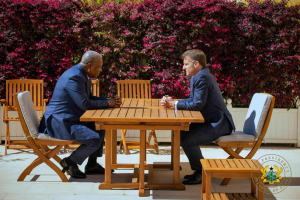
Prime Minister Abiy warmly welcomed the Turkish leader, saying, “President Erdoğan, it is my privilege to share with you the warm hospitality my country has to offer you — a place where you will never feel like a stranger but a dear friend. Here, we can sip the very coffee that was first discovered in these lands while discussing a range of issues and crafting a tangible partnership rooted in the vast opportunities our partnership provides.”
What the Leaders Are Set to Discuss
During the visit, President Erdoğan and Prime Minister Abiy are expected to engage in in‑depth talks covering a wide range of issues, including economic cooperation, trade, investment and regional security. Both sides are looking to expand bilateral commerce, encourage Turkish investment in Ethiopian infrastructure and services, and explore joint ventures that complement Ethiopia’s development agenda.
Regional peace and stability are also expected to feature prominently. Türkiye has positioned itself as a diplomatic partner in Africa — playing significant roles in mediation efforts and supporting capacity building in regional institutions.
The Somaliland Question and Regional Diplomacy
One of the key geopolitical issues that both countries have navigated in recent months is the controversy surrounding Israel’s recognition of Somaliland as a sovereign state. In late 2025, Israel officially became the first United Nations member state to recognize Somaliland, a self‑declared independent region of northern Somalia. This move drew widespread condemnation from many states that uphold Somalia’s territorial integrity.
Türkiye has been a vocal opponent of Israel’s recognition, calling the decision illegitimate and unacceptable. Turkish leaders have emphasized their “strong support” for Somalia’s sovereignty and rejected any unilateral recognition that contravenes international law, warning that such actions could destabilize the fragile Horn of Africa. Ankara’s stance reflects its long‑standing diplomatic and security cooperation with Somalia, which includes defence partnerships and investment in infrastructure and human capital.
Ethiopia’s position has been more cautious. While some parliamentarians have raised questions about Ethiopia’s approach after Israel’s recognition, the Ethiopian Foreign Minister declined to offer a direct position. Addis Ababa has maintained diplomatic engagement with neighbouring states and reaffirmed its commitment to long‑term strategic interests, including secure access to the Red Sea. Past negotiations mediated by Türkiye sought to address tensions over a proposed port access deal involving Somaliland, Somalia and Ethiopia, resulting in agreements to reaffirm respect for Somalia’s territorial integrity. These efforts show Ethiopia’s preference for multilateral and diplomatic solutions over unilateral recognition of breakaway regions.
Why Africa Should Watch This Visit
President Erdoğan’s visit to Ethiopia holds significance beyond bilateral relations. It comes at a time when global powers are increasing their engagement in Africa’s geopolitical landscape — whether through diplomatic moves like Somaliland’s recognition, investment in infrastructure, or partnerships on security and development.
For African nations, the visit highlights the value of diversified partnerships and the importance of constructive diplomacy in addressing complex regional issues. Türkiye’s engagement — including its support for mediation efforts and reaffirmation of international legal norms — may offer frameworks for resolving regional disputes while promoting stability, economic cooperation and shared prosperity.
The Erdoğan‑Abiy talks are expected to reaffirm Ethiopia’s strategic importance in the Horn of Africa, strengthen economic ties between Ankara and Addis Ababa, and contribute to broader efforts to enhance regional stability. At a time when Africa faces multiple geopolitical challenges, from climate change and economic transformation to questions of sovereignty and security, such high‑level engagements underscore the continent’s strategic relevance on the world stage.