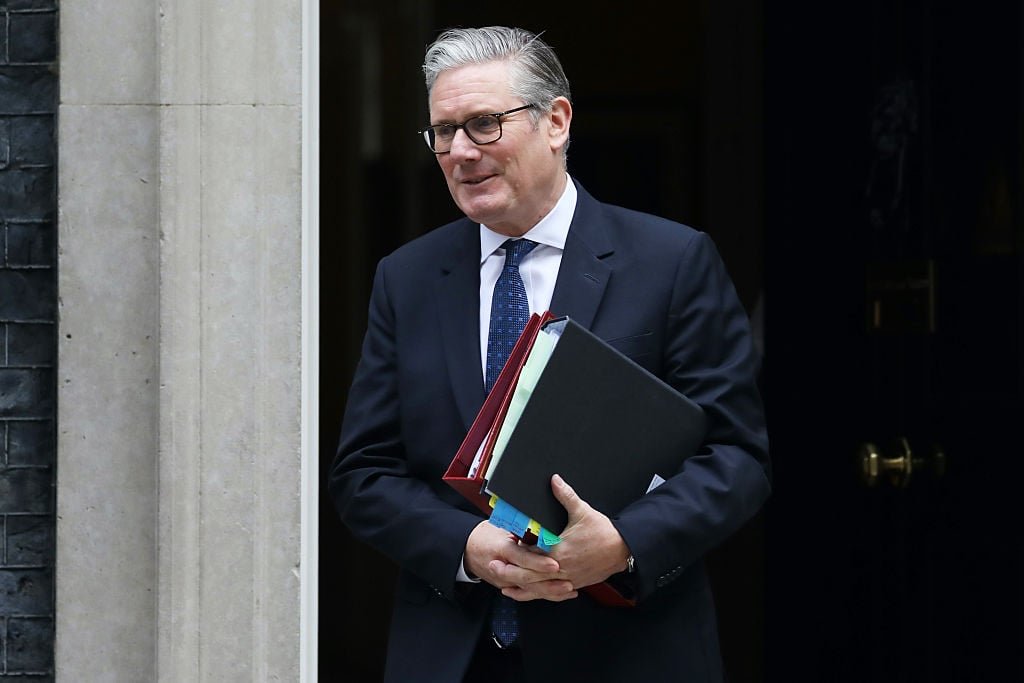
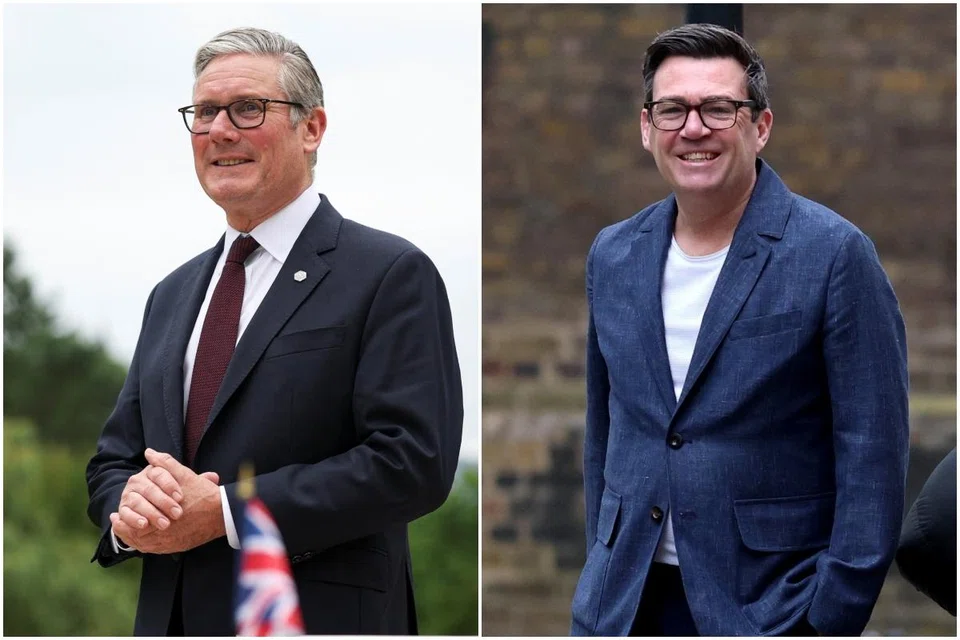

On June 22, 2026, Starmer announced to the British public that he had also decided to step down as leader of the Labour Party.
He said his decision to resign from both positions was driven by his desire to put the country he loves first, stressing that during his tenure he had brought significant changes to both the party and the nation.
At the national level, Starmer said he had restored confidence in the economy, strengthened the military, and improved domestic security.
He stated that he was committed to ensuring a smooth transfer of power and pledged to provide his successor with any support needed.
Starmer also thanked his wife, Victoria Starmer, for standing by him through both good and difficult times during his premiership, saying that his next priority would be to focus on his family.
The controversy surrounding Peter Mandelson, who served as the UK Ambassador to the United States, caused Starmer to lose the support of many allies, particularly within the Labour Party.
Calls for his resignation intensified after it emerged that Starmer had appointed Mandelson despite being aware of the diplomat’s close relationship with Jeffrey Epstein, who was jailed over crimes linked to the sexual exploitation of underage girls.
Parliament summoned Starmer to explain the appointment. He said Mandelson had misled him by downplaying the extent of his ties to Epstein, but lawmakers were not satisfied with his explanation.
Confidence in Starmer continued to erode after Labour suffered losses in local elections held in early May 2026.
The poor results reflected growing public frustration over unresolved issues facing the country, including rising living costs and increasing numbers of undocumented migrants.
Several ministers who had supported him resigned in succession, arguing that stepping aside was in the country’s best interest and that a more capable leader should take over.
Among those who had urged him to resign were Foreign Secretary Yvette Cooper, Home Secretary Shabana Mahmood, Energy Security Secretary Ed Miliband, and several Members of Parliament.
Before announcing his resignation publicly, Starmer reportedly informed King Charles III by phone. He is expected to formally submit his resignation to the monarch.
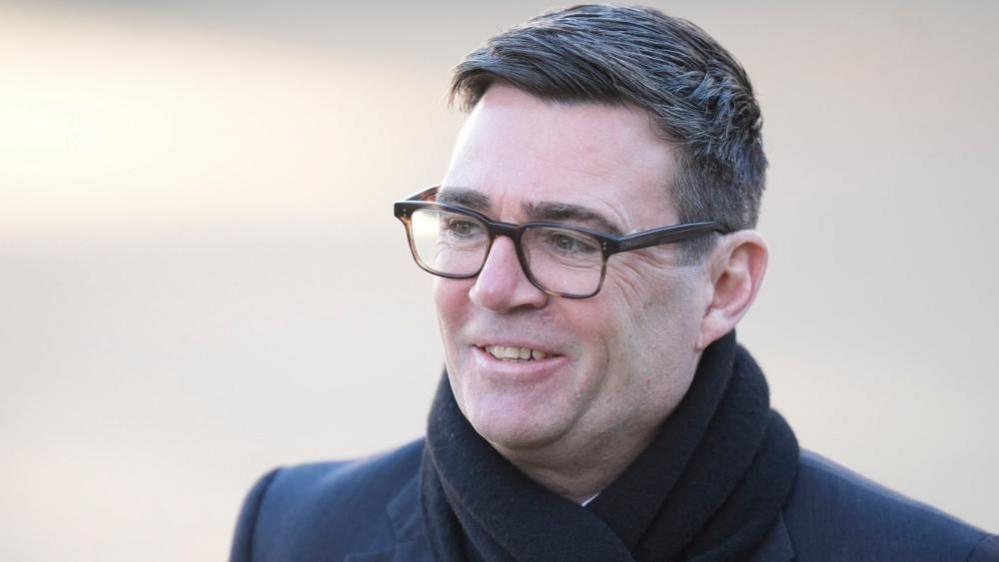
Andy Burnham has been chosen by the Labour Party to succeed Starmer. Burnham previously served as Culture Secretary, Health Secretary, Mayor of Greater Manchester, and as a Member of Parliament.
Keir Starmer served as the Prime Minister of the United Kingdom for exactly 717 days (nearly 2 years), having assumed office on July 5, 2024, and officially announced his resignation on June 22, 2026