
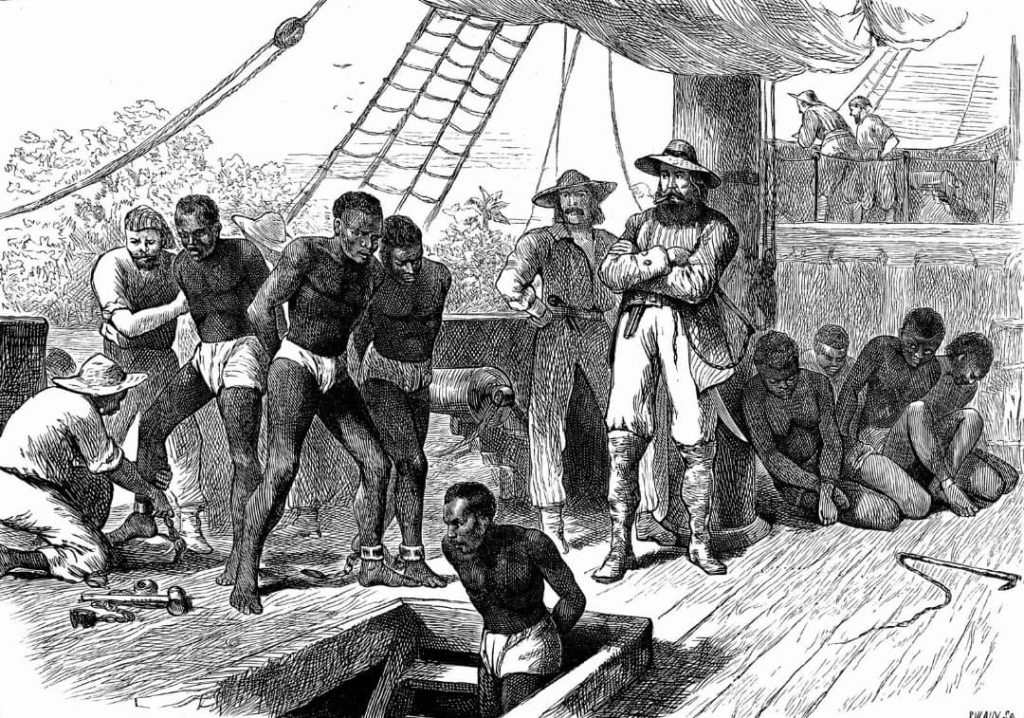
The UN General Assembly has designated the transatlantic African slave trade as “the gravest crime against humanity”, in a move advocates hailed as a step towards healing and possible reparations. The decision marks a significant moment in global recognition of one of history’s darkest chapters, as calls grow louder for accountability and acknowledgment of past injustices.
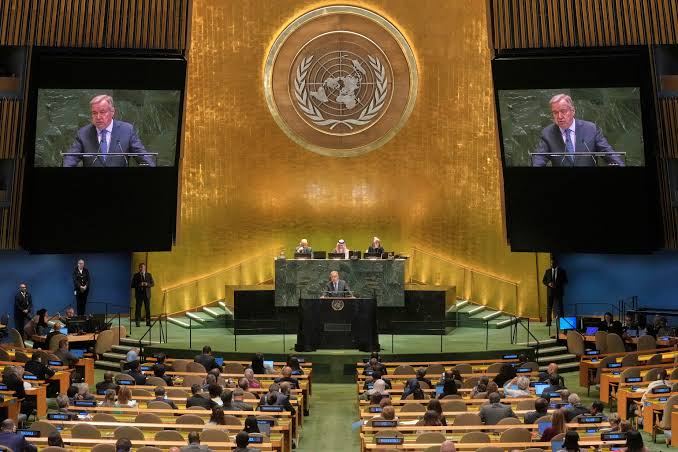
The resolution was adopted on Wednesday to applause by a vote of 123 in favour; three against, the United States, Israel and Argentina; and 52 abstentions, including Britain and member states of the European Union. The outcome reflects broad international support, while also highlighting divisions among some nations over how to address the legacy of slavery.
Supporters of the resolution argue that formally recognizing the transatlantic slave trade in such terms is an important step in confronting historical truth and its lasting impacts. Many African and Caribbean countries, along with advocacy groups, have long pushed for stronger international action, including discussions around reparations, education, and systemic inequalities rooted in slavery.
However, some countries that voted against or abstained have expressed concerns about the legal and political implications of the resolution, particularly regarding potential compensation claims. Despite these differences, the vote has reignited global debate on justice, remembrance, and how the international community should respond to the enduring consequences of the slave trade.