

The United States is facing a growing challenge over artificial intelligence: how to control its risks while allowing the technology to develop.
Congress has discussed AI regulation for years, but major federal rules have yet to emerge. The issue has become more urgent as technology companies develop increasingly powerful systems and concerns grow about safety, jobs and the wider impact of AI.
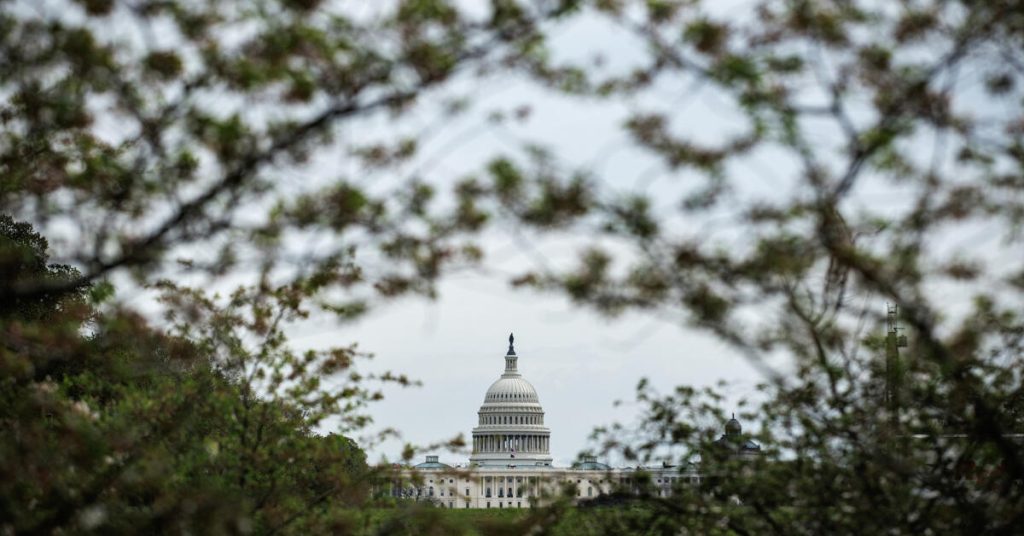
The latest setback came as the House of Representatives left Washington for a seven-week recess ahead of the November midterm elections without voting on major AI safety measures.
The disagreement is not simply between Republicans and Democrats. Lawmakers within both parties have different views about how far the government should go.
Some Republicans, including House Speaker Mike Johnson, have argued that moving too quickly could place unnecessary limits on American technology companies and weaken the country’s position in competition with China. CNN reported that Johnson has favored greater involvement from technology companies and other industry stakeholders in shaping possible rules.
Some Democrats have pushed for stronger federal safeguards, saying lawmakers should act before AI creates serious problems that are harder to control.
The debate has also attracted unusual agreement from people on opposite sides of US politics. Senator Bernie Sanders and former Trump adviser Steve Bannon have both called for greater caution around AI, although they differ on how government should respond.
The delay comes as AI is becoming part of more areas of daily life and the economy. Lawmakers are now considering questions about safety, employment, privacy, national security and the growing electricity needs of AI data centers.
Congress has taken some limited steps. The House recently passed a bill aimed at preventing AI data centers from shifting the cost of new power infrastructure onto ordinary electricity users.
But broader federal AI rules remain unsettled.
For the US, the challenge is increasingly about finding a balance: protecting the public from possible harms while keeping pace with a technology that is changing faster than the political process.