
The Vatican has confirmed that Pope Leo XIV will not participate in a proposed “Board of Peace” initiative associated with U.S. President Donald Trump, stressing that global crises should remain under the leadership of the United Nations.
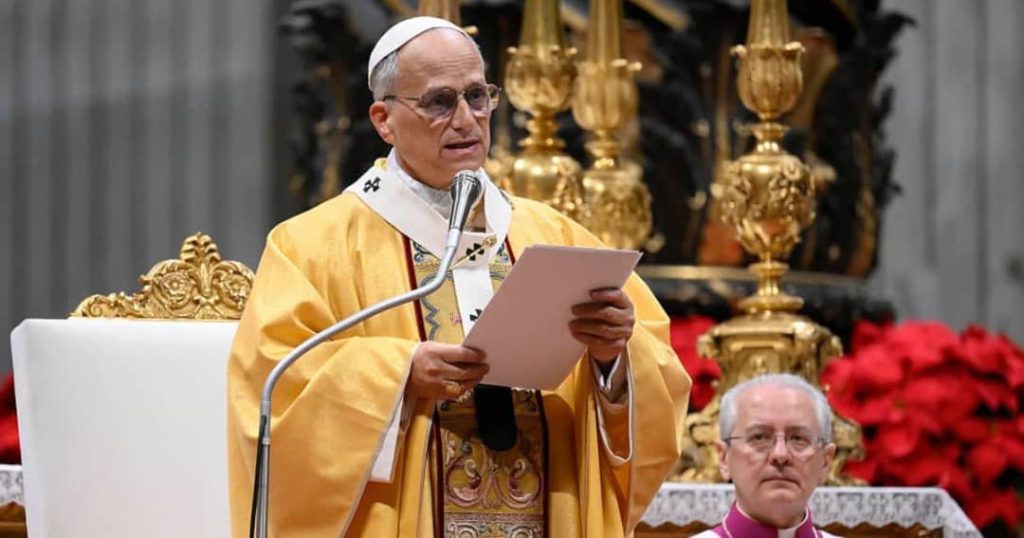
Speaking on behalf of the Holy See, senior Vatican officials said the Catholic Church prefers working through established multilateral institutions rather than joining new platforms tied to political figures. The remarks signal a clear diplomatic stance from the Vatican, which has long advocated for peace efforts rooted in international consensus.
According to the Vatican’s top diplomat, the Church believes peacebuilding should be coordinated through globally recognized structures. Officials emphasized that the United Nations already holds the mandate to address conflicts, mediate disputes, and coordinate humanitarian responses, making additional parallel initiatives unnecessary.
By declining involvement, Pope Pope Leo XIV appears to be reinforcing the Vatican’s long-standing approach to diplomacy. The Holy See traditionally promotes neutrality, dialogue, and cooperation across nations, avoiding alignment with initiatives that could be perceived as politically driven.
Observers say the decision reflects caution about joining efforts closely associated with individual political leaders. While details about Trump’s reported “Board of Peace” remain limited, early descriptions suggested a body of influential global figures focused on mediation and stability. However, the Vatican’s refusal highlights concerns that such initiatives could blur the line between diplomacy and political influence.
The move also aligns withd with decades of Vatican diplomacy that prioritizes quiet engagement behind the scenes. From historical mediation efforts to modern humanitarian advocacy, the Holy See has consistently worked through established institutions and international law rather than forming new alliances outside recognized global frameworks.
Analysts note that the Vatican’s position underscores the importance it places on legitimacy and inclusivity in peacebuilding. Supporting separate initiatives could risk fragmenting international cooperation at a time when conflicts are becoming increasingly complex and interconnected.
While the decision may not immediately reshape global geopolitics, it reinforces the Vatican’s preference for multilateralism and unity. By backing the United Nations as the central platform for crisis response, the Holy See is signaling that effective peace efforts require broad global trust and coordination rather than parallel structures.
The statement ultimately reflects the Vatican’s enduring diplomatic philosophy: promoting peace through neutrality, moral authority, and collaboration within universally recognized institutions.