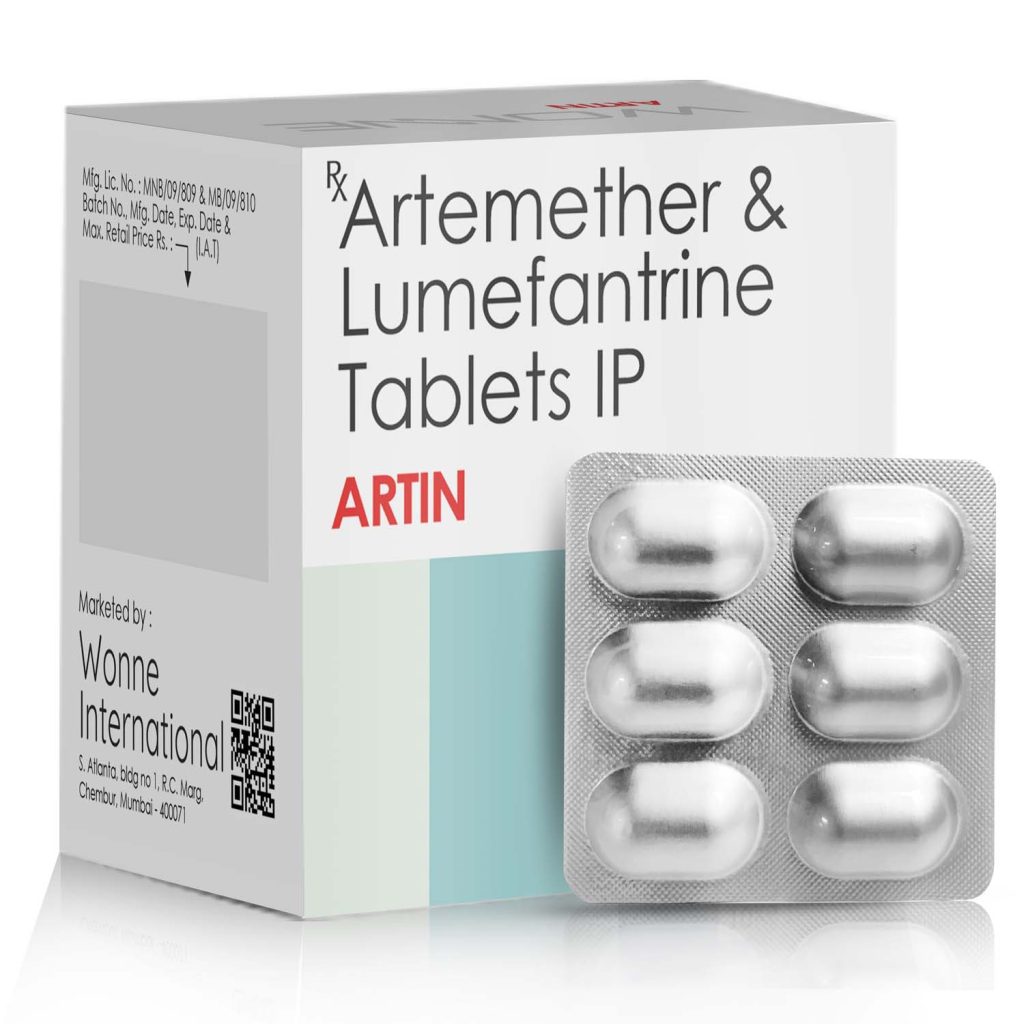
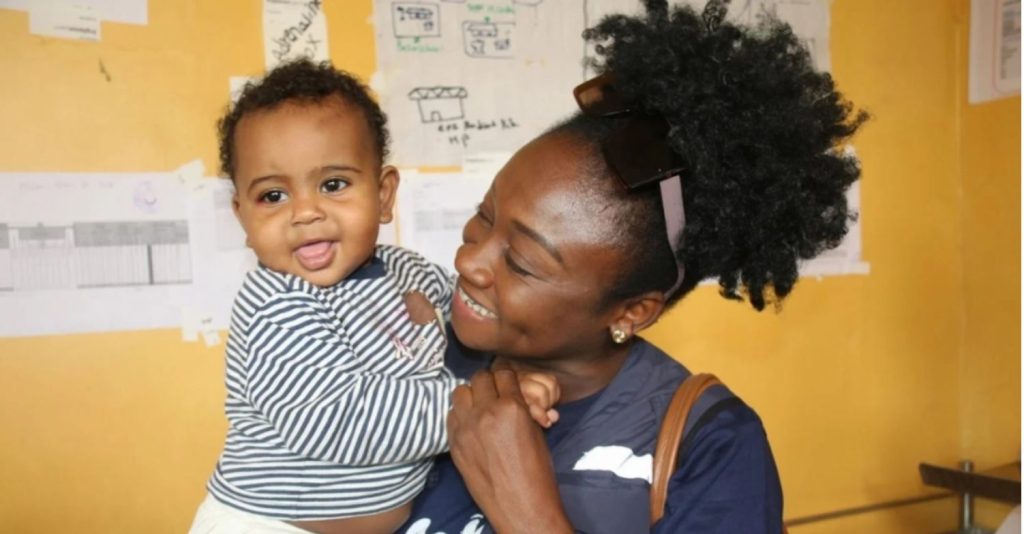

The World Health Organisation has taken a major step in the fight against malaria by approving and prequalifying the first treatment specifically developed for newborns and very young infants. The move is expected to transform care for one of the most vulnerable groups in malaria-endemic regions.
The treatment, artemether-lumefantrine, is designed for babies weighing between two and five kilograms. Previously, infants were treated using medicines formulated for older children, raising concerns about incorrect dosing, side effects, and potential toxicity.
WHO’s decision confirms the drug meets global standards for safety, quality, and effectiveness, allowing governments and health agencies to procure and distribute it more widely.
“For centuries, malaria has stolen children from their parents, and health, wealth and hope from communities,” said Dr Tedros Adhanom Ghebreyesus, WHO Director-General. “But today, the story is changing. New vaccines, diagnostic tests, next-generation mosquito nets and effective medicines, including those adapted for the youngest, are helping to turn the tide. Ending malaria in our lifetime is no longer a dream; it is a real possibility, but only with sustained political and financial commitment. Now we can. Now we must.”
Alongside the new treatment, WHO has also introduced three prequalified rapid diagnostic tests aimed at addressing growing challenges in malaria detection. Traditional tests identify a parasite protein known as HRP2, but studies across dozens of countries show that some malaria strains no longer produce this protein, making them harder to detect and leading to false-negative results.
The new tests target an alternative protein, pf-LDH, which is more stable and less likely to disappear, making diagnosis more reliable and consistent. This innovation is especially valuable for parts of eastern Africa, where improved diagnostic tools are helping health systems detect more cases accurately and strengthen malaria control efforts.
WHO now recommends that countries transition to these newer tests when more than 5% of malaria cases are being missed, a move aimed at ensuring accurate diagnosis and timely treatment.
Experts attribute the slowdown to a combination of challenges, including drug and insecticide resistance, diagnostic gaps, and declining international funding. However, advances such as the rollout of malaria vaccines in multiple countries and the widespread distribution of next-generation mosquito nets continue to offer hope.
Public health experts warn that fragile health systems in many malaria-endemic countries remain under strain, limiting the ability to fully implement new tools and treatments. In rural and underserved communities, access to timely diagnosis and treatment continues to be a major barrier, often resulting in preventable complications and deaths.
Reduced international development assistance has further complicated the response, with some programs facing funding shortfalls that threaten to reverse hard-won gains. Analysts say sustained financing will be critical to scaling up access to new medicines, diagnostics, and preventive measures.
Despite these challenges, innovation is reshaping the malaria response. The introduction of vaccines in more than two dozen countries is already protecting millions of children, while improved mosquito nets and targeted interventions are helping to reduce transmission rates.
Health officials emphasise that combining these tools, effective treatment for infants, accurate diagnostics, vaccines, and prevention strategies, could significantly accelerate progress if implemented at scale.
As global leaders and health partners rally around the latest campaign, the message is increasingly urgent: the tools to end malaria are within reach, but time and commitment are essential.
The approval of the first malaria treatment for newborns is being seen not just as a medical breakthrough, but as a symbol of what coordinated global action can achieve. For millions of families at risk, it offers renewed hope that the burden of malaria can be reduced and eventually eliminated.