
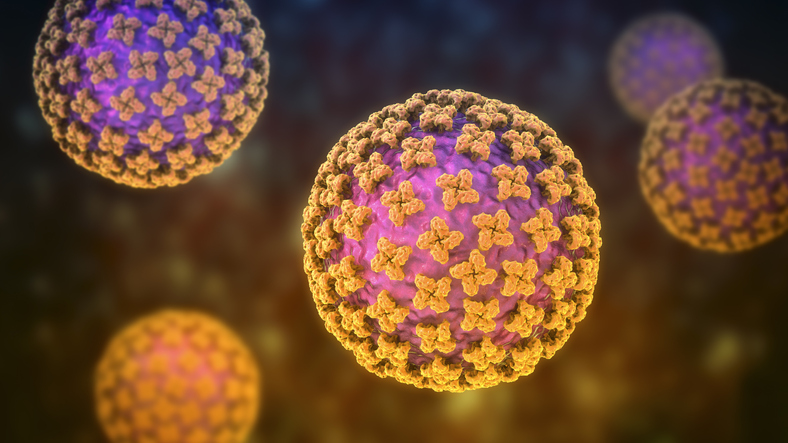

The World Health Organization (WHO) is closely monitoring a developing public health incident involving a cruise vessel traveling in the Atlantic Ocean, where a suspected hantavirus outbreak has resulted in multiple illnesses and deaths among passengers.
Health authorities report that one case of hantavirus infection has been confirmed through laboratory testing, while five additional cases remain under investigation. Among the six affected individuals, three have died, and one is currently receiving intensive care in South Africa. The remaining cases are being closely monitored as health experts work to confirm the extent of the outbreak.
Ongoing investigations and response measures
According to the WHO, detailed investigations are underway, including further laboratory analysis, epidemiological tracing, and viral sequencing. These efforts aim to establish how the infection emerged on board and whether it was linked to environmental exposure or other factors during the voyage.
Medical teams are currently providing care and support to both passengers and crew members. Health assessments are ongoing to identify any additional suspected cases and prevent further spread within the vessel.
The WHO is also coordinating with national health authorities and the ship’s operator to facilitate medical evacuation for two symptomatic passengers requiring urgent care. In addition, a comprehensive public health risk assessment is being conducted for all individuals still on board.
Authorities have confirmed that national focal points have been notified in line with the International Health Regulations, ensuring coordinated international response efforts.
WHO Director-General Dr. Tedros Adhanom Ghebreyesus said on his X account that the WHO is working with Member States and ship operators on suspected hantavirus cases on a cruise ship, supporting medical evacuation, assessing risks, and assisting affected passengers, while stressing the need for rapid, coordinated action to protect public health.
Understanding hantavirus infection
Hantavirus infections are typically linked to contact with infected rodents or exposure to environments contaminated by their urine, droppings, or saliva. Humans usually become infected by inhaling airborne particles carrying the virus, especially in enclosed or poorly ventilated spaces.
While human-to-human transmission is extremely rare, it has been documented in limited cases involving specific strains in parts of South America. Health experts continue to emphasize that environmental exposure remains the primary source of infection globally.
In the Americas, hantavirus can cause hantavirus pulmonary syndrome (HPS), a severe respiratory disease that affects the lungs and can develop rapidly if not treated promptly.
Symptoms and disease progression
The illness often begins with non-specific flu-like symptoms such as fever, fatigue, muscle aches, chills, and headaches. Some patients may also experience gastrointestinal symptoms, including nausea or abdominal discomfort.
Within a few days, the condition can progress quickly to severe respiratory distress, including coughing, chest tightness, and fluid accumulation in the lungs. Health professionals warn that once the respiratory phase begins, the disease can deteriorate rapidly, sometimes becoming fatal within 24 to 48 hours without intensive medical support.
Because early symptoms resemble those of common viral infections, diagnosis can be challenging without a clear history of rodent exposure.
Treatment and public health importance
There is currently no specific antiviral treatment for hantavirus infection. Medical care is primarily supportive, focusing on oxygen therapy, fluid management, and intensive care support for severe cases.
Health authorities stress that early detection and rapid treatment significantly improve survival chances. Prevention remains the most effective approach, including rodent control, proper sanitation, and avoiding exposure to contaminated environments.
The WHO has expressed appreciation for the swift coordination among international health agencies, ship operators, and national authorities as the situation develops. A formal Disease Outbreak News report is expected to be issued to provide updated information to the public.
As investigations continue, health officials remain focused on controlling the situation, protecting those on board, and preventing any further spread of the disease.