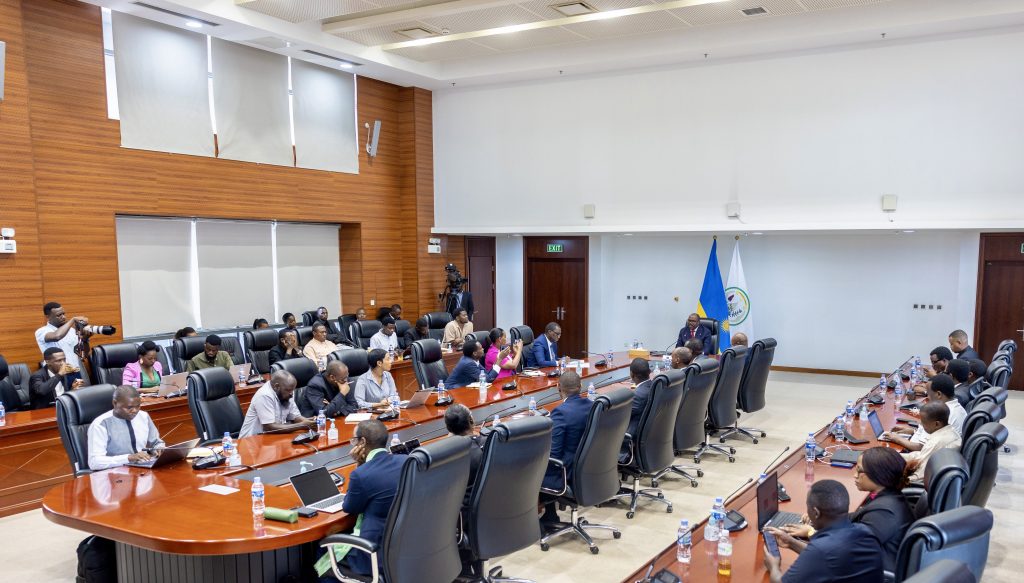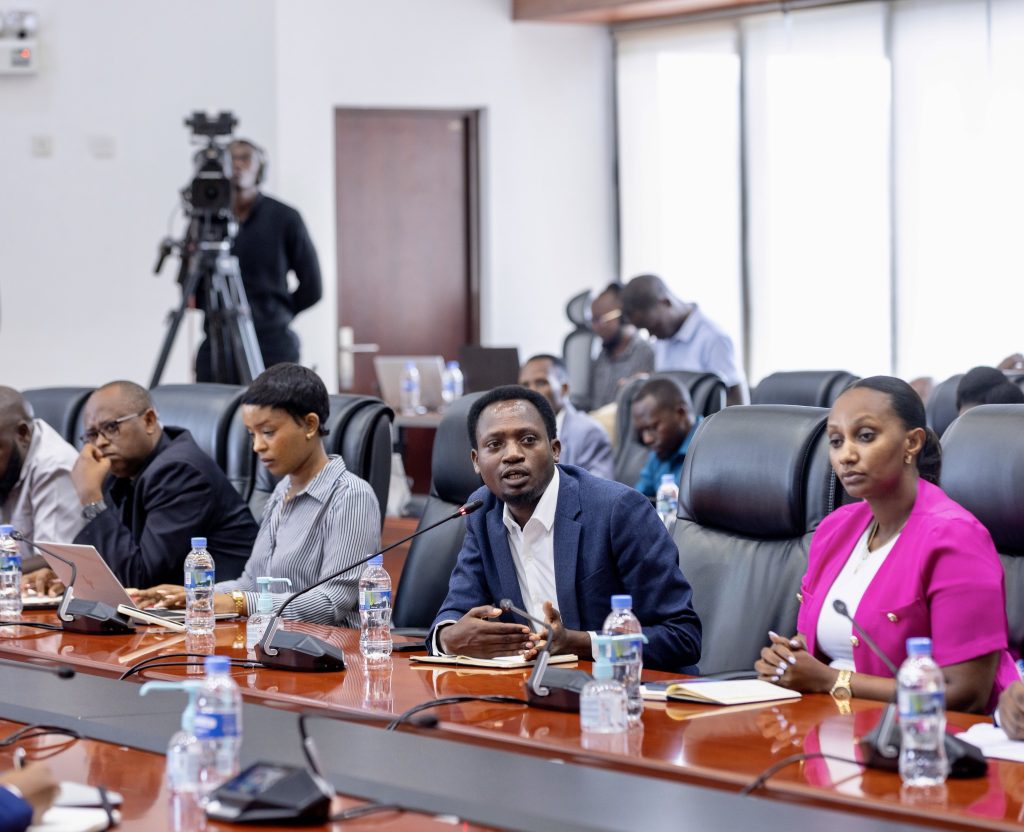
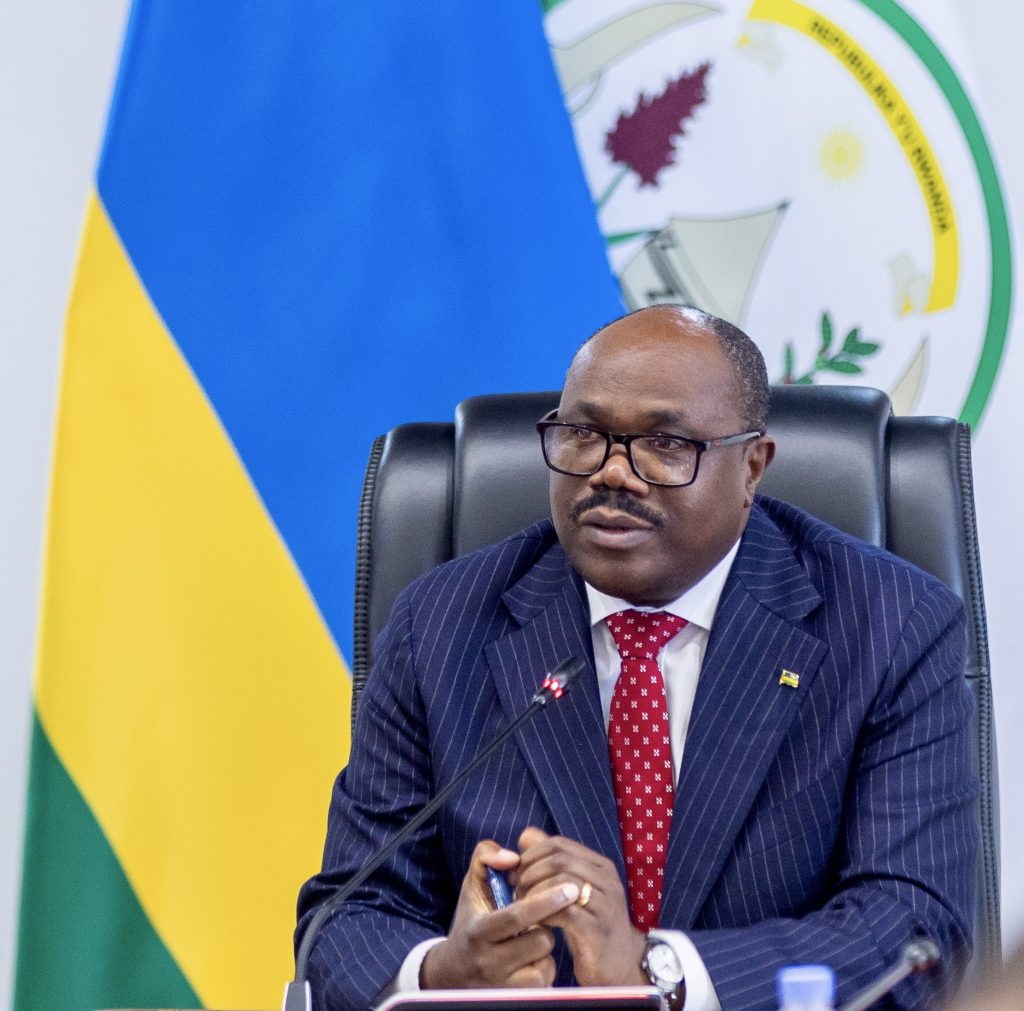

Prime Minister Dr. Justin Nsengiyumva has revealed that without government subsidies, the price of diesel in Rwanda would have risen to Rwf 3,581 per litre, instead of the Rwf 2,927 per litre announced by the Rwanda Utilities Regulatory Authority (RURA).
“Diesel prices increased by about Rwf 700 due to rising prices on the international market. However, the price that was announced includes a government subsidy equivalent to 18.26%,” he said.
He explained that this subsidy prevented diesel prices from reaching Rwf 3,581 per litre.
“This essentially means that the price we should have announced for a litre of diesel was Rwf 3,581. However, as you saw, we announced a price of Rwf 2,927 per litre,” he added.
On June 5, 2026, RURA announced that effective June 6, 2026, the price of petrol should not exceed Rwf 2,938 per litre, while diesel should not exceed Rwf 2,927 per litre.
Since March 2026, petrol prices have increased by nearly 47.7%, rising from Rwf 1,989 per litre to Rwf 2,938 per litre in June. Diesel prices have increased by 50.3%, from Rwf 1,948 per litre in March to Rwf 2,927 per litre in June.
These figures show that diesel has experienced a steeper increase compared to petrol, particularly between April and June, when its price rose from Rwf 2,205 to Rwf 2,927 per litre. Petrol prices, on the other hand, remained unchanged at Rwf 2,938 per litre from April 17 to June 6.
Dr. Nsengiyumva stated that the government would continue doing everything possible to ensure that rising fuel prices do not severely affect the livelihoods of Rwandans.
He added that the government had decided to maintain the existing petrol price after assessing the potential impact that a further increase could have on the economy.
The Prime Minister also said that the government would continue subsidizing public transport services to prevent fare hikes.
He cited the example of a passenger travelling from Nyabugogo to Musanze, explaining that the fare would have been Rwf 4,281 without government support. However, due to the subsidy, passengers will continue paying Rwf 3,821, meaning that the government covers Rwf 460 of the fare.
Dr. Nsengiyumva further emphasized that Rwanda is prepared to continue providing subsidies in the agricultural sector, including support for fertilizers, irrigation projects, and other agricultural activities, to shield the sector from the effects of global economic challenges.
He affirmed that the government also has mechanisms in place to respond to other unforeseen economic shocks.