
The funding forms part of the West Africa Coastal Areas Blue Economy and Resilience Program(WACA+), a regional initiative aimed at addressing coastal erosion, flooding, and environmental degradation while creating jobs linked to the ocean economy.
Coastal regions in West Africa are among the most economically active but also the most vulnerable to climate change. Rising sea levels, erosion, and flooding have increasingly threatened infrastructure, fisheries, and livelihoods. The program is designed to improve resilience for over 500,000 people, while restoring ecosystems that act as natural barriers against climate impacts.
Under the initiative: In Benin, efforts will focus on stabilizing the Bouche du Roy estuary and the Mono River mouth, areas critical to tourism, agriculture, and transport. In Mauritania, funding will strengthen dune systems protecting the capital, Nouakchott, from storm surges and flooding.
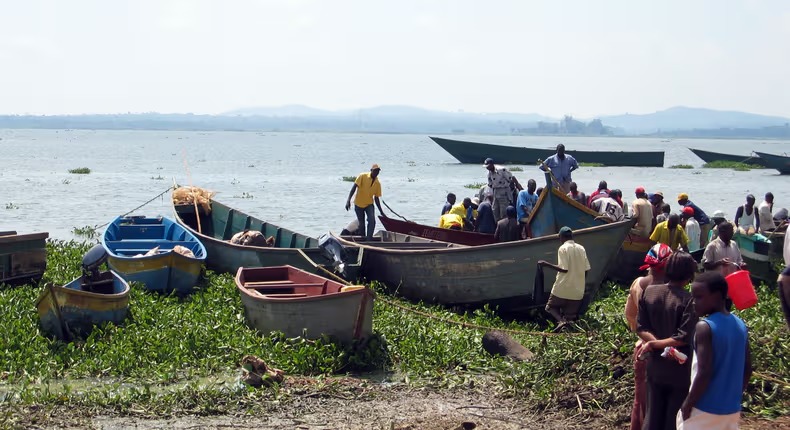
Additionally, up to 3,000 hectares of mangroves and coastal wetlands will be restored to enhance biodiversity and support fish breeding.
Driving jobs and investment
Beyond environmental protection, the program emphasizes economic growth through the “blue economy,” including fisheries, aquaculture, tourism, and maritime services.
The first phase is expected to create around 13,000 jobs, with more than 31,000 people set to benefit from training and business support by 2031.
In Mauritania, a credit guarantee scheme is also planned to unlock up to $20 million in financing for fish-processing businesses, addressing key barriers to growth.
Building on regional efforts
WACA+ builds on earlier regional programmes launched in 2018, which focused on coastal management through seawalls, beach restoration, and mangrove protection.
The new phase expands these efforts by integrating economic development, with future plans to extend support to more countries and generate over 50,000 jobs across the region.
The initiative underscores a growing focus on combining climate resilience with sustainable economic opportunities in West Africa’s coastal communities.