The World Bank has approved $550 million in new financing for Tanzania, in a move aimed at expanding job opportunities and strengthening support for vulnerable communities. The funding comes as the country intensifies efforts to build human capital and tackle persistent poverty challenges.
According to the announcement, more than three million Tanzanians are expected to benefit from the initiative, which combines skills development programmes with expanded social protection measures. In particular, the financing is projected to improve employment prospects for over 650,000 graduates.
The package is divided into two major programmes. To begin with, $300 million will be directed toward the second phase of the Education and Skills for Productive Jobs programme (ESPJ-II), as Business Insider Africa reported.
This initiative seeks to bridge the gap between education and labour market demands by aligning training with industry needs. As a result, around one million people, nearly half of them women, are expected to gain access to improved training and employment opportunities.
Moreover, the programme will address long-standing challenges in Tanzania’s education system, including skills mismatches, inconsistent training quality and limited access to technical and vocational education. By working closely with industry partners, it also aims to ensure that advanced courses are more relevant to current economic needs.
Meanwhile, the remaining $250 million will support the third phase of the Productive Social Safety Net (PSSN III). This programme focuses on enhancing the resilience of low-income households by providing a combination of cash transfers and climate-resilient public works. In total, about 2.2 million people are expected to benefit.
In addition, the initiative will promote financial inclusion by encouraging savings, expanding access to financial services and offering training to help households diversify their income sources. It will also strengthen digital systems, including the national social registry, to improve efficiency in targeting beneficiaries.
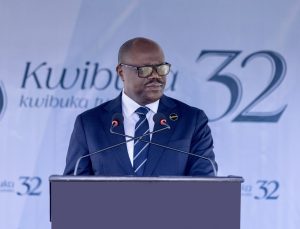
Speaking on the development, World Bank Country Director Nathan Belete noted that previous phases of similar programmes have demonstrated strong results. He emphasised that investing in people not only improves livelihoods but also equips young people with practical, job-ready skills.
Furthermore, the new funding builds on Tanzania’s ongoing reforms to expand social protection coverage and enhance workforce readiness. Under its current development strategy, the government is working to include both formal and informal workers while improving the transition from education to employment.
Notably, in 2025, authorities launched a separate initiative to train 8,000 young people in key sectors, highlighting growing concerns over youth unemployment.
The World Bank’s latest financing reflects a broader trend across Africa, where governments and development partners are increasingly prioritising job creation, skills development and social safety nets. This shift comes amid rising economic pressures, including inflation and climate-related challenges, which continue to affect vulnerable populations.