
The final is scheduled for Sunday, July 19, 2026, and will take place in the United States, which is co-hosting the tournament alongside Canada and Mexico.
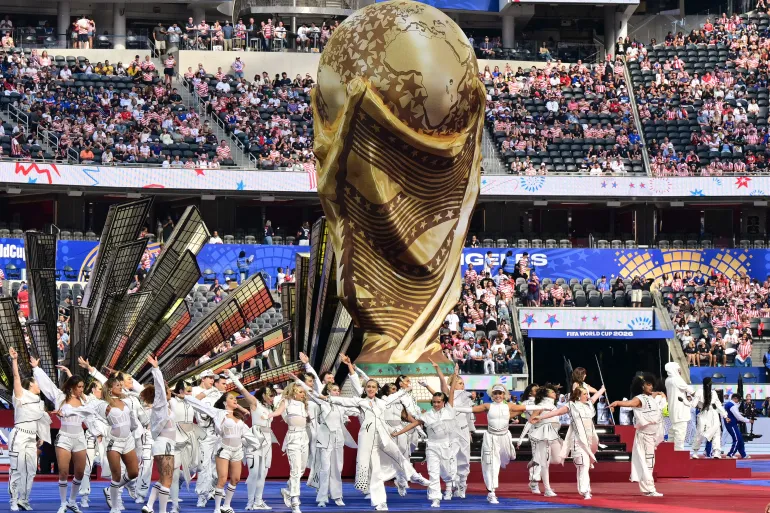
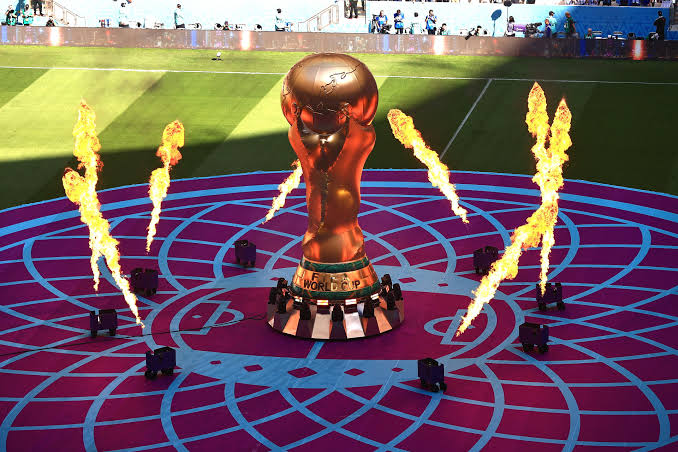
Organizers have planned a spectacular celebration for the occasion, featuring entertainment both before kickoff and during halftime.
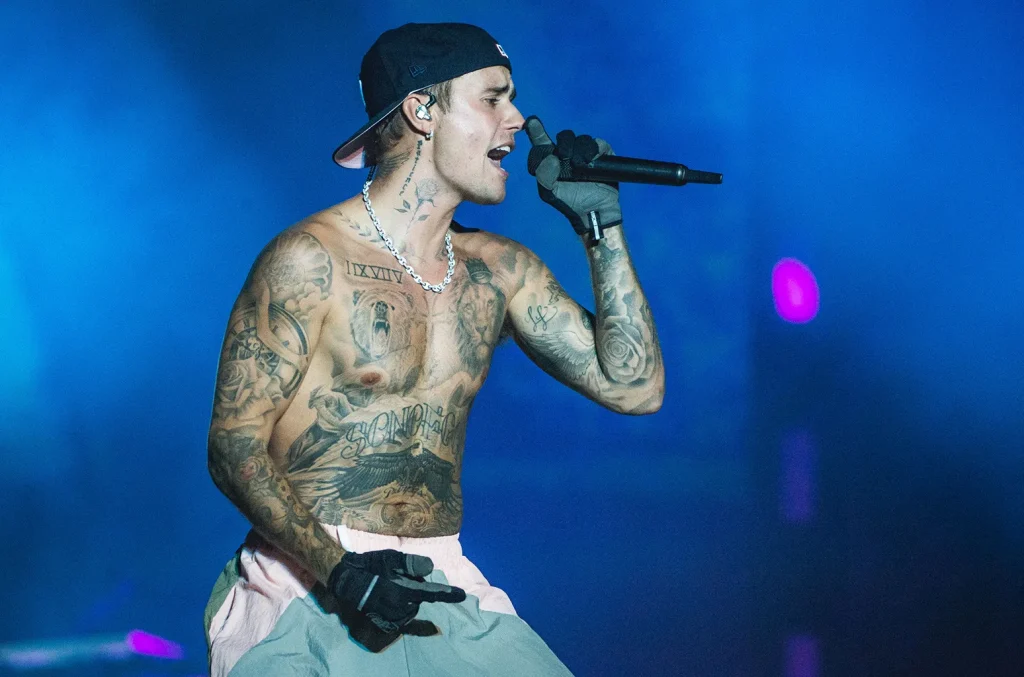
To make the event even more memorable for fans, global music stars Justin Bieber and Shakira are expected to perform during the halftime show.
As a result, the halftime interval could be extended to 30 minutes, similar to the halftime entertainment featured during the NFL Super Bowl.
However, the proposal has not received support from several football governing bodies, particularly the International Football Association Board (IFAB), which is responsible for the Laws of the Game.
Major media outlets have also criticized the idea, with some reportedly saying they would use the extended break for match analysis instead of broadcasting the halftime performances.
Spain has already secured its place in the World Cup final after defeating France 2-0 in the semifinals. They will face the winner of the other semifinal between England and Argentina.