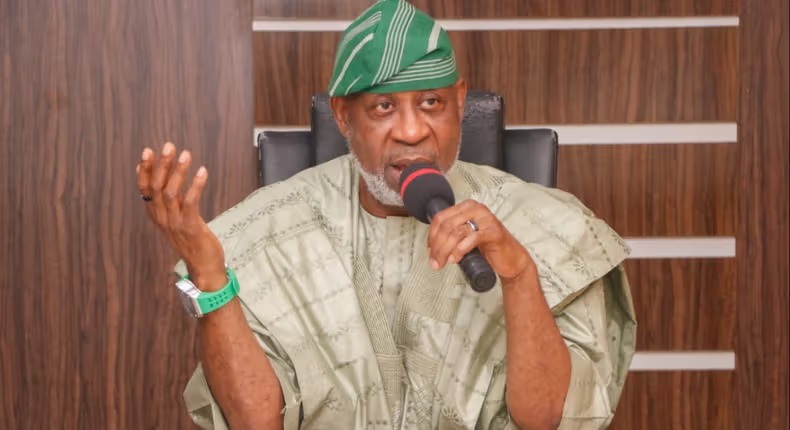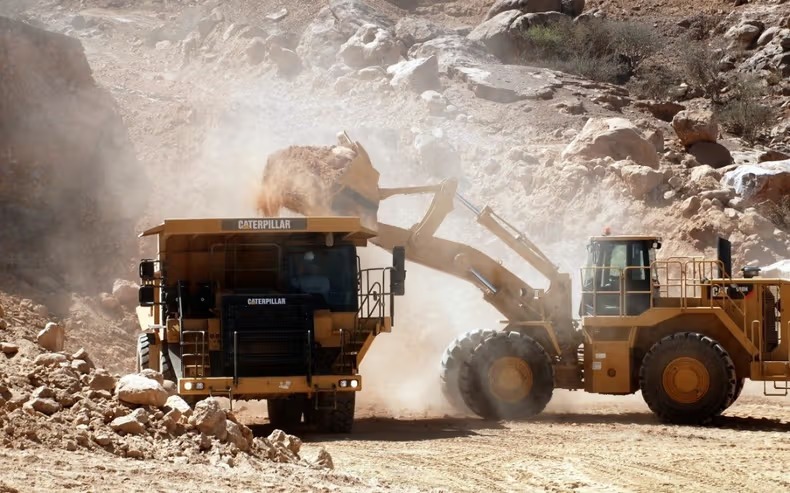

Nigeria has secured over $2.6 billion in foreign direct investment in its mining sector over the past two years, as the government implements reforms and seeks to position Africa as a major supplier of critical minerals. The announcement was made by Dele Alake at the Powering Africa Summit in Washington, D.C.
Mining reforms boost investor confidence
Alake highlighted recent sector reforms, including digitized licensing, improved regulation, and stricter enforcement against illegal mining, which have attracted new capital. A special enforcement unit, the Mining Marshals, has arrested more than 350 suspects, with over 150 cases already in court.
“These reforms have de-risked and sanitized the mining environment, making it conducive to foreign direct investment,” Alake said.
Expanding regional energy and industrial corridors
Beyond domestic reforms, Nigeria is promoting regional cooperation to strengthen Africa’s role in global mineral supply chains. Alake called on the U.S. and African governments to support the development of regional energy hubs and industrial corridors, such as the Lobito Corridor, Lagos–Abidjan Corridor, and Walvis Bay Corridor. These corridors would enable cross-border mineral processing, reduce costs, and encourage local industrialization as reported by BIA.
“If three to five such corridors are developed, we could significantly advance industrialization across Africa, creating a win-win for the continent and international partners,” Alake added.
Diversifying Nigeria’s economy
With oil revenue declining, Nigeria is accelerating efforts to diversify its economy. Mining, currently contributing less than 1% of GDP, is now prioritized due to deposits of lithium, gold, tin, and other critical minerals. The government has introduced incentives such as tax waivers on imported mining equipment, full repatriation of profits, and expanded access to certified geological data to attract investors.
U.S. support with conditions
American financial institutions, including the Export-Import Bank of the United States, expressed readiness to support mining projects tied to clean-energy technologies. Officials emphasized the importance of political stability and consistent policies as key conditions for investment.
Nigeria’s push reflects growing global competition for Africa’s critical minerals, positioning the country as a strategic player in supplying materials essential for renewable energy, electric vehicles, and technological development.