
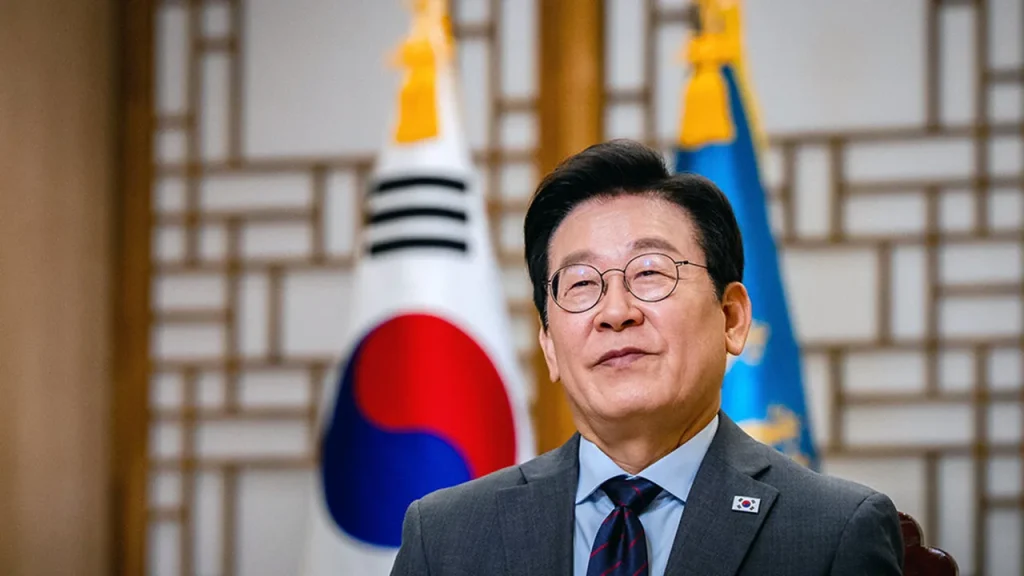

A diplomatic dispute has emerged between South Korea and Israel after President Lee Jae Myung shared an old video from the occupied West Bank, saying it highlighted wider human suffering in conflict zones.
Initially, the footage, recorded in 2024, shows Israeli soldiers pushing a body from a building during a military operation. After the post appeared on X, it quickly triggered strong reactions and opened an unusual public dispute between the two long-standing diplomatic partners.
In addition, Lee drew further attention after stating there was “no difference” between wartime killings, the Holocaust, and the sexual slavery of women during Japan’s colonial rule of Korea.
However, this comparison sparked immediate criticism from the Israeli Foreign Ministry, which called the remarks “unacceptable” and argued that the video had been taken out of context, according to a CNN report.
Furthermore, Israeli officials insisted the incident shown in the video took place during an active military operation and had already been reviewed internally by the army.
Meanwhile, President Lee defended his post, clarifying that the video was a real incident from 2024 that had been previously reported and condemned by international observers.
At the same time, he stressed that he intended to highlight universal human rights concerns, arguing that international humanitarian law must be respected under all circumstances.
On the other hand, Israel’s Foreign Ministry strongly rejected his interpretation, saying the post misrepresented the situation and ignored the operational context of the incident.
In addition, officials warned against what they described as inappropriate historical comparisons, particularly involving the Holocaust, which they said should not be equated with other conflicts.
As a result, the exchange has created a rare public disagreement between two countries that have maintained more than six decades of diplomatic relations.
Although South Korea’s foreign ministry later sought to reduce tensions by clarifying that the remarks reflected human rights concerns rather than criticism of a specific state, the debate continued online.
The incident highlights how quickly social media statements can escalate into diplomatic friction, especially when historical and humanitarian issues overlap in global conflicts.
Therefore, analysts say the episode underscores the growing sensitivity of international communication in the digital age, where political messages can rapidly influence diplomatic relations.


