

The United States and Hamas have held their first direct talks since the Gaza ceasefire took effect, in a renewed diplomatic push aimed at keeping the fragile agreement on track as disagreements deepen over how it should be implemented.
According to CNN reports, a delegation led by senior US adviser Aryeh Lightstone met with Hamas chief negotiator Khalil al-Hayya in Cairo earlier this week. The meeting was also attended by Nickolay Mladenov, who serves as the US-backed Board of Peace’s representative for Gaza, officials said.
The talks come at a sensitive moment for the ceasefire, which was intended to halt two years of war in Gaza but has struggled to move beyond its initial phase. While the deal remains formally in place, progress on key provisions has slowed amid mutual accusations of non-compliance.
The reports say that Hamas used the meeting to press for full implementation of the first phase of the agreement, including an end to strikes and increased entry of humanitarian aid into Gaza. The group argues these steps are essential before any further political or security arrangements can move forward.
Mediators, however, continue to face a familiar sticking point: sequencing. US and other international officials have been pushing for Hamas to commit to disarmament as part of the next stage of the deal. At the same time, Hamas insists that humanitarian, political, and administrative issues must be addressed alongside security concerns.
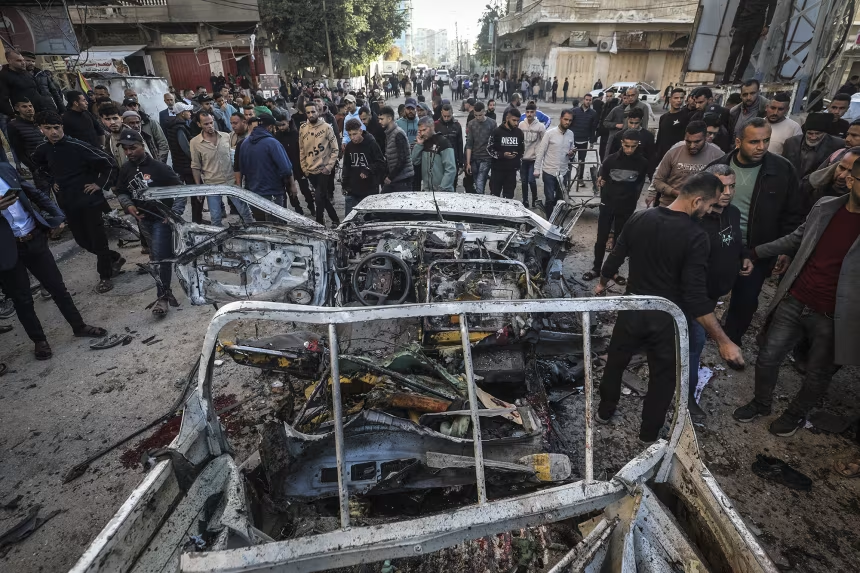
The ceasefire has remained fragile on the ground. Despite the agreement, violence has not fully stopped, with local health authorities reporting that Israeli strikes have killed more than 765 people in Gaza since the truce took effect in October, according to the Palestinian Ministry of Health. Sporadic strikes and clashes continue to be reported, underscoring the ongoing instability.
A senior Hamas source described the proposals on the table as “unbalanced,” arguing that they place heavy emphasis on security demands while delaying other commitments tied to Gaza’s humanitarian and political situation.
The source also claimed that mediators warned the group that rejecting the framework could risk a return to war, although this account has not been independently verified.
For now, diplomatic engagement is continuing, but major differences remain unresolved, leaving the future of the ceasefire uncertain as both sides test the limits of a fragile calm.


