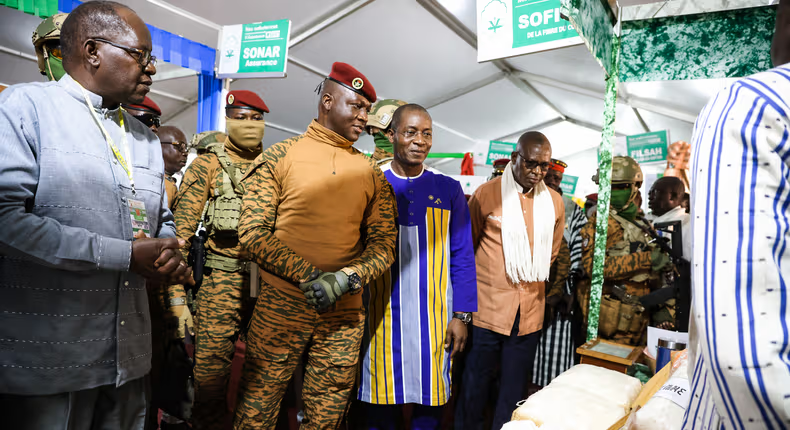

Burkina Faso has moved to fully nationalise its leading cotton company, Société burkinabè des fibres textiles (Sofitex), in a major policy shift that extends the government’s growing control from the mining sector into agriculture. The decision comes as authorities pursue a broader strategy to strengthen state involvement in key economic sectors, aiming to improve oversight and boost national returns from strategic industries.
The Council of Ministers approved the decision on April 16, 2026, which will see the state acquire the remaining private shares, making it the sole owner of the company valued at about 338.14 billion CFA francs (approximately $607 million), according to official figures, according to the BI Africa reports.
Authorities say the move is aimed at strengthening management and improving efficiency in a sector facing financial pressure, rising debt levels, and declining production in recent years. Sofitex has also been affected by operational challenges that have slowed output and weakened performance.
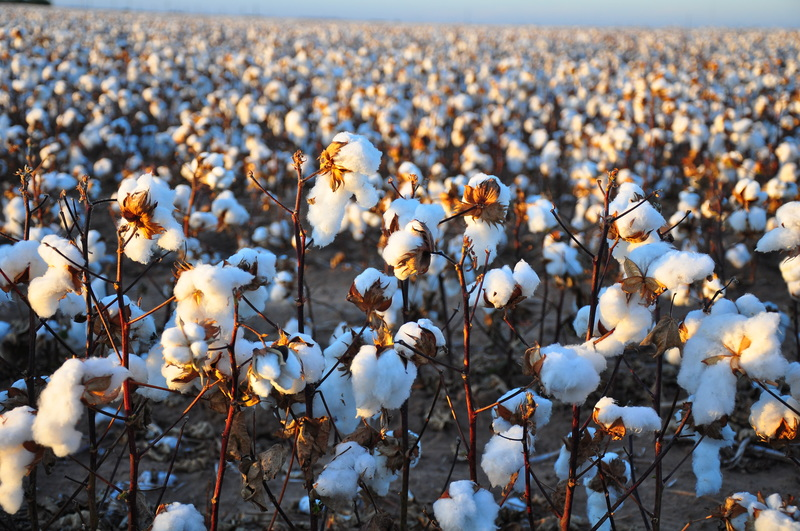
The company remains central to Burkina Faso’s cotton industry, accounting for the majority of national production. However, output has continued to fall, with the 2024/2025 season recording a significant decline, prompting government concerns over long-term sustainability.
Officials argue that full state ownership will allow for tighter financial oversight, restructuring, and improved coordination aimed at restoring productivity and stabilising the sector.
The nationalisation of Sofitex reflects a broader economic strategy by Burkina Faso to increase state participation in key revenue-generating industries. In recent years, authorities have taken a more assertive approach in the mining sector, particularly gold, which remains the country’s main export earner.
This includes revising mining regulations, increasing state equity in strategic projects, and renegotiating agreements with foreign companies to secure a larger share of national resources.
Similar trends have been observed across the region, where several resource-rich African countries have strengthened government control in extractive industries to boost domestic revenue and economic sovereignty.
In Burkina Faso, officials say the shift is part of a wider effort to ensure that strategic sectors such as agriculture and mining contribute more directly to national development and economic resilience.
The Sofitex takeover marks another step in the country’s evolving policy direction, focused on expanding state influence in critical industries while addressing structural challenges in production and governance.