
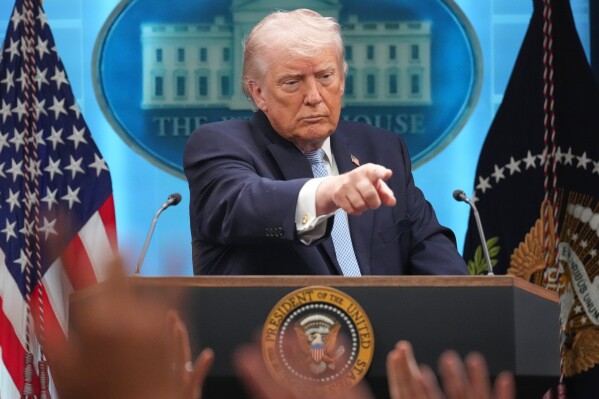

Various American media outlets report that he is prepared to grant an additional three to five days of truce to give Iran time to regroup and determine its next course of action, whether to reach an agreement with the United States on terms to end the war, or to resume hostilities.
The United States has concerns over Iran’s governance structure. According to U.S. assessments, Iran’s military wing, the Islamic Revolutionary Guard Corps (IRGC), and the country’s political leaders do not share a unified position on how the conflict should end. This is partly because neither side appears to have clear authority to finalize and sign an agreement on behalf of the country.
The analysis indicates growing internal divisions within Iran’s leadership, where military figures particularly within the IRGC, are believed to wield more influence than civilian political institutions, making it difficult to determine who holds the final decision-making power in negotiations with foreign actors.
Despite the ceasefire, the United States continues efforts to block all Iranian ports. Iran strongly opposes these actions, stating that it cannot enter negotiations while under such pressure, which it describes as being “strangled.”


