
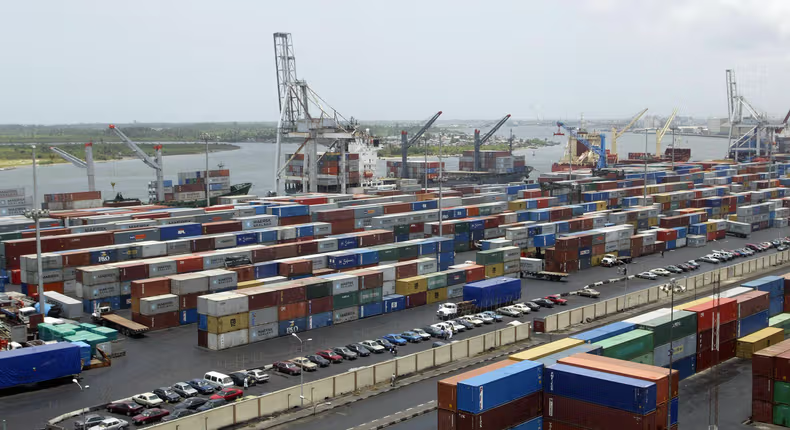

Trade between Nigeria and Malaysia has climbed to approximately $1.21 billion over the past five years, largely driven by increased imports from Southeast Asia, according to the Nigeria Customs Service.
Data from the service indicates a steady upward trend, with imports rising from about $106.6 million in 2020 to nearly $477.3 million in 2024, underscoring expanding commercial ties between both countries.
Meanwhile, officials say this growth has accelerated discussions on strengthening customs cooperation to improve efficiency and regulatory coordination.
The Comptroller-General of Customs, Adewale Adeniyi, held talks with the Royal Malaysian Customs Department during a recent visit linked to DSA Malaysia 2026, where both sides focused on modernizing customs systems and enhancing border management.
In addition, both parties recognized the opportunity to further strengthen their customs cooperation by developing a formal legal framework to support their long-standing trade relations. As a result, they agreed to initiate processes toward a Mutual Recognition Agreement under the World Customs Organization framework, aimed at enhancing efficiency, trust, and smoother trade facilitation.
Furthermore, the proposed agreement is expected to streamline trade procedures, strengthen institutional trust, and support faster clearance of goods as trade volumes continue to grow.
Nigeria also highlighted its ongoing customs reforms, including digital transformation initiatives and the Authorized Economic Operator programme, aimed at reducing delays, lowering costs, and improving compliance.
Key imports from Malaysia include palm oil products, refined fuels, machinery, and food commodities, which continue to support Nigeria’s domestic demand.
At the same time, both countries discussed deeper collaboration in intelligence sharing, enforcement coordination, and technology-driven border control to curb illicit trade and trafficking.
officials say the renewed engagement reflects a stronger and more structured phase in Nigeria–Malaysia trade relations, with both sides seeking to boost economic cooperation in the coming years.


