
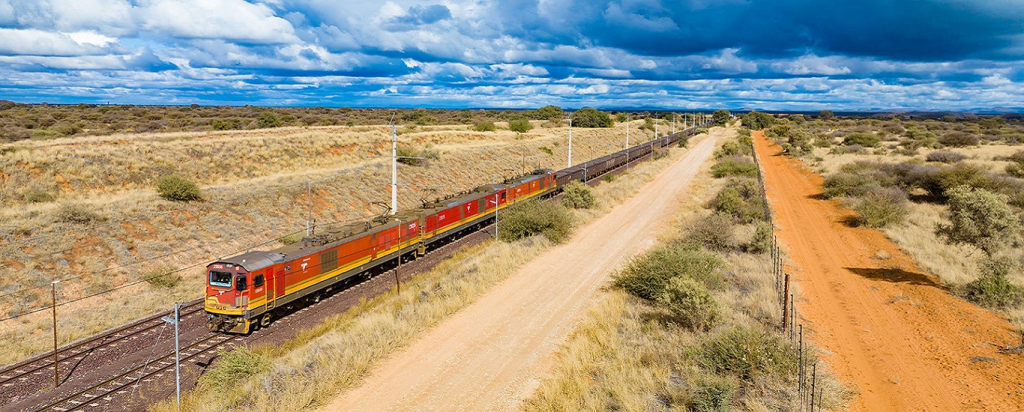

A UAE-based logistics firm, African Rail Co., is moving ahead with plans to raise around $170 million to expand its freight rail operations in South Africa, in a development expected to enhance regional connectivity and improve the movement of goods across key trade corridors.
The planned capital injection will be directed mainly toward acquiring locomotives, wagons, and supporting operational infrastructure as the company prepares to scale up services on South Africa’s freight rail system. The expansion comes at a time when the sector is undergoing reforms aimed at increasing private sector participation and improving efficiency across the network.
African Rail Co. is among 11 licensed operators granted access to South Africa’s rail freight system, a significant shift intended to ease pressure on the logistics sector and improve cargo handling capacity. The reform process is closely linked to efforts to improve performance within state-owned Transnet SOC Ltd, which has faced operational constraints in recent years.
The company’s expansion strategy focuses on high-impact freight corridors, particularly the route connecting Gauteng, South Africa’s industrial and economic hub, to the port of Durban, one of the busiest export gateways in the region. These routes are central to supporting trade flows, especially for manufactured goods, containers, and bulk commodities.
In addition, African Rail Co. plans to strengthen regional integration by operating routes extending toward Mozambique, including cross-border logistics solutions designed to improve the efficiency of regional trade. One of the key initiatives under consideration involves transporting copper from mining areas in the Democratic Republic of the Congo through Mozambique’s Maputo port, supporting mineral export chains across Southern Africa.
The investment also aligns with broader infrastructure development efforts, including a recent concession agreement aimed at expanding Durban’s main terminal. This is expected to reduce congestion, improve turnaround times, and enhance overall port efficiency, which remains critical for export competitiveness.
Chief Executive Officer Youssef Elgonaid noted that demand for efficient rail logistics is rising steadily, driven by growth in global demand for critical minerals and the need to shift heavy freight away from road transport. He emphasized that rail remains a cost-effective and scalable solution for long-distance cargo movement across the region.
Investor participation in the funding round is expected to come from a combination of equity and debt financing. A portion of the capital will be raised through equity, with potential interest from private equity firms, particularly in the Middle East, alongside shipping companies and development finance institutions. While specific investors have not yet been disclosed, interest in African logistics infrastructure continues to grow.
Beyond operational expansion, the project reflects a broader trend toward modernizing transport systems across the continent. Improved rail capacity is expected to support industrial growth, reduce logistics costs, and strengthen supply chain reliability for businesses operating in Southern Africa.
The initiative signals growing momentum in Africa’s infrastructure sector, with rail development playing a key role in enhancing trade efficiency, boosting regional integration, and supporting long-term economic transformation.


