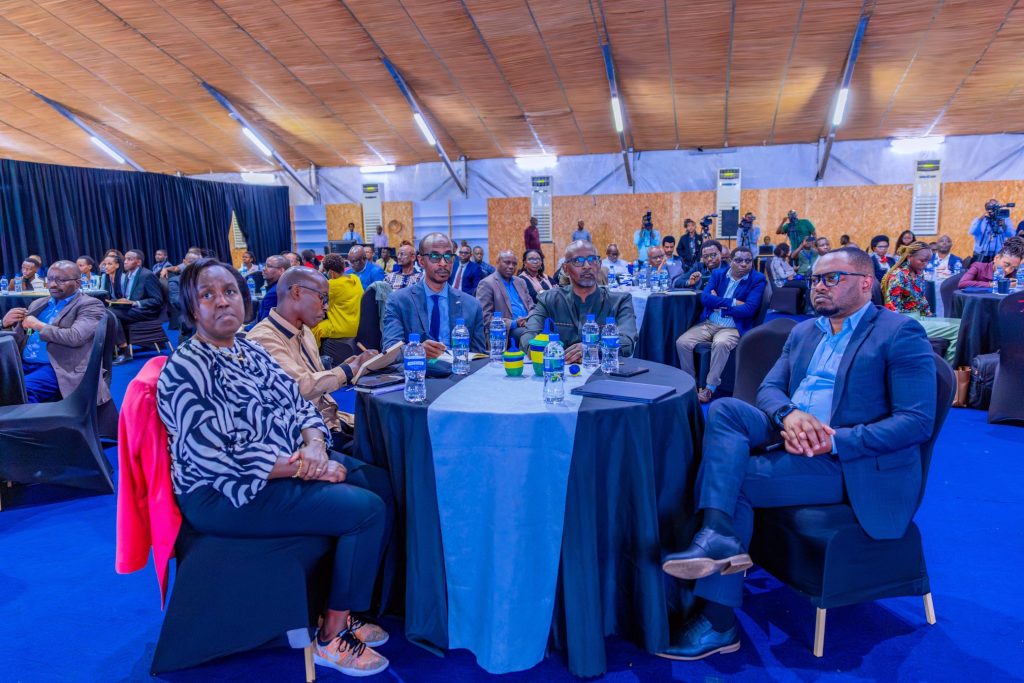

The initiative, led by the Higher Education Council (HEC) under the Ministry of Education, is designed to create a structured platform for engagement between regulators and institutions. Through this process, stakeholders will deliberate on key areas including teaching and learning quality, research output, governance systems, and the implementation of the Higher Education Sector Strategic Plan (HESSP) 2025–2030.
Importantly, officials say the outreach is intended to ensure that institutions not only understand strategic priorities but also take ownership of their implementation in a practical and results-driven manner.
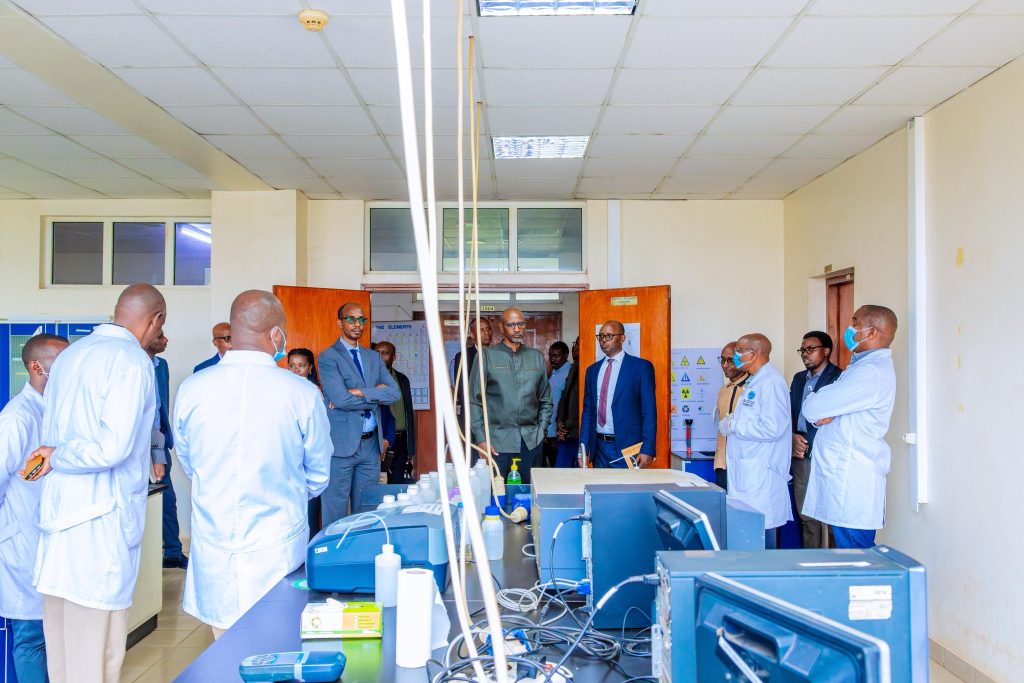
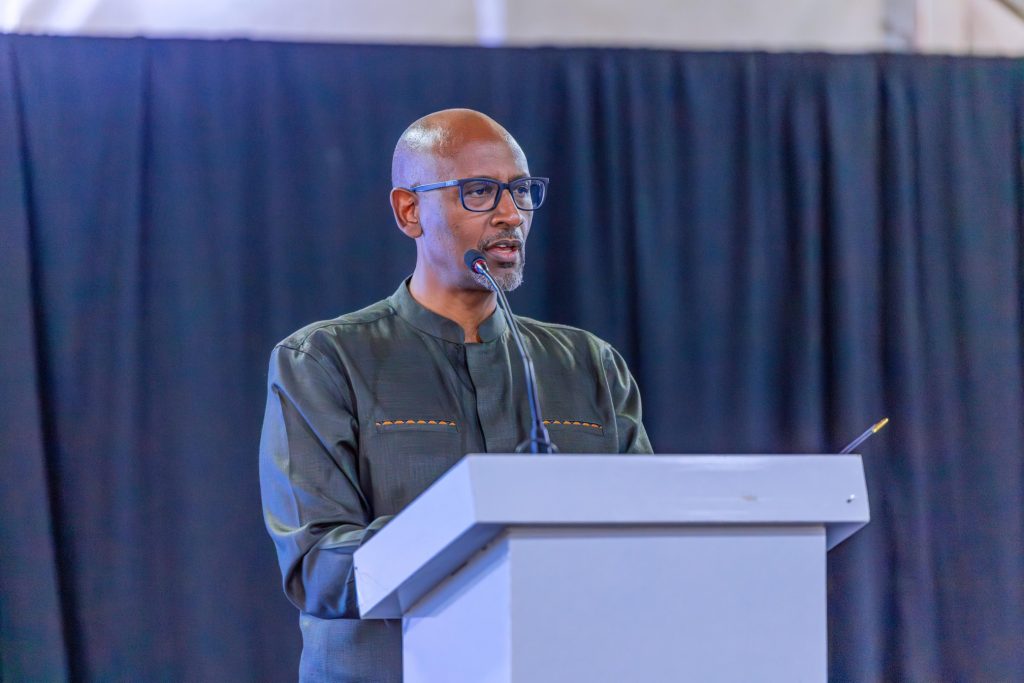
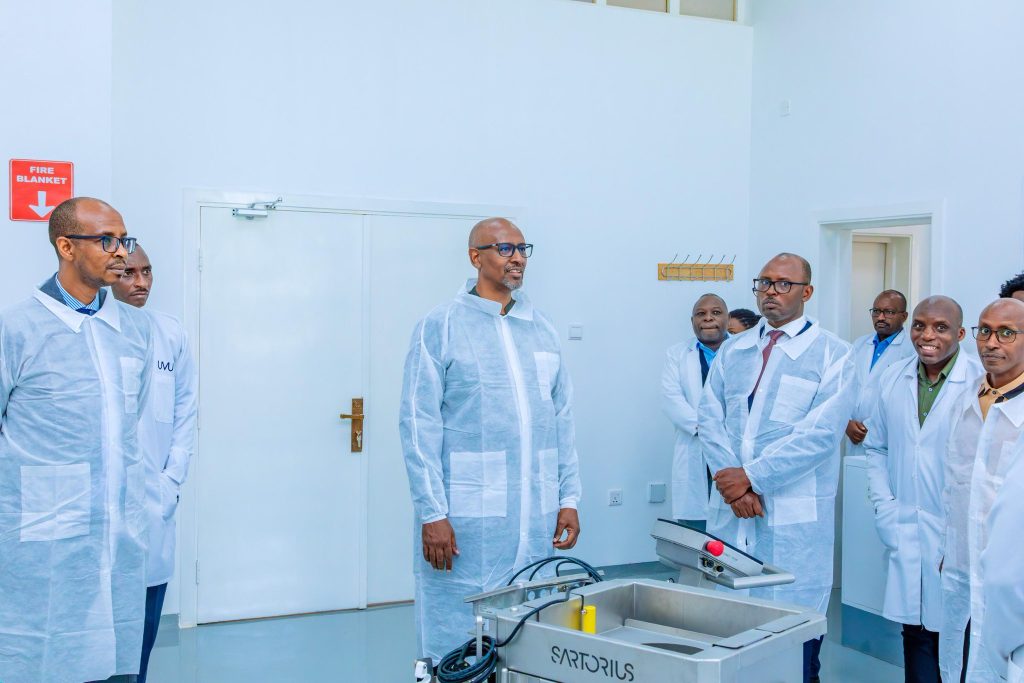
The official launch was presided over by the Minister of Education, Joseph Nsengimana, at the University of Rwanda, College of Science and Technology. In his remarks, he emphasised collaboration as a cornerstone of the reform agenda.
“Through this engagement, we want to listen, understand the realities within our institutions, and work together to address the challenges affecting teaching, learning, research, and overall institutional performance. This is about co-creating practical and sustainable solutions that respond to the real needs of our higher education system.”
Furthermore, the Minister highlighted that the outreach goes beyond consultation, stressing that it is a continuous process of improvement across the entire system.
“This outreach is about strengthening quality across the entire system, quality in programmes, teaching, research, governance, and ultimately in the outcomes we deliver. We are creating space for open and honest dialogue with leadership, faculty, and students to identify what is working and where improvement is needed.”
In addition, he reiterated Rwanda’s long-term ambition to position higher education as a regional hub for knowledge, innovation, and skills development.
“We are building a higher education system that goes beyond today’s needs—one that positions Rwanda as a regional hub for quality education, research, and innovation. This means attracting talent, strengthening international partnerships, and producing skilled graduates who contribute directly to national and regional development.”
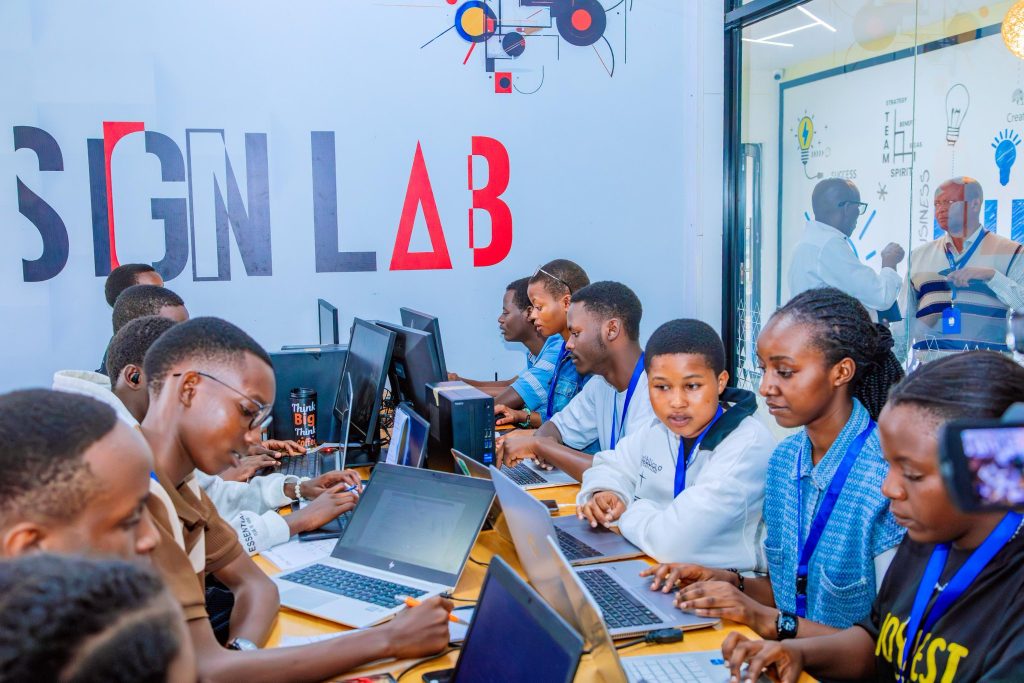
Meanwhile, the Higher Education Council noted that higher learning institutions are expected to play a transformative role in economic development. As a result, there is growing emphasis on aligning academic programmes with labour market needs and ensuring graduates are equipped with relevant, practical skills.
Consequently, institutions are increasingly being viewed not only as centres of learning, but also as key drivers of innovation, competitiveness, and national transformation.
At the same time, the University of Rwanda, which hosted the first engagement, was highlighted as a central player in the sector. The institution comprises seven colleges, 13 teaching campuses, nearly 33,000 students, and over 600 international students.
Vice Chancellor Prof. Kayihura Muganga Didas welcomed the initiative and expressed appreciation for government support. However, he also pointed to infrastructure pressures linked to rising student numbers, stressing the need for continued investment to match growing demand.
The outreach programme is expected to continue across all higher learning institutions in the country, reinforcing continuous dialogue, strengthening accountability, and supporting Rwanda’s broader vision of a high-quality, innovation-driven education system.