
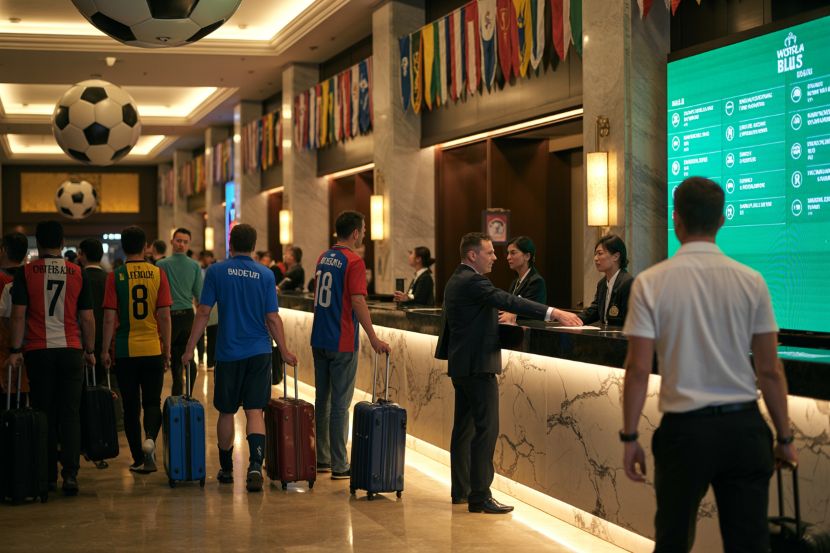

Hotels across 11 U.S. host cities are experiencing a quieter lead-up to the 2026 FIFA World Cup than anticipated. According to a recent report by the American Hotel & Lodging Association (AHLA), nearly 80% of surveyed hoteliers report that their current bookings are tracking below initial forecasts. For some metropolitan areas, like Kansas City, reservation numbers are even trailing behind the pace of a typical summer without a major global sporting event.
The report points to several factors that have cooled the early optimism. One major issue is the cancellation of large room blocks previously reserved by FIFA, which initially created an artificial sense of high demand that has since unraveled. Additionally, industry leaders point to rising travel costs and changing room needs, which have altered expectations for local hotels that spent years preparing for the influx of global visitors.
Another key reason for the shortfall is the lower-than-expected number of international travelers. Between 65% and 70% of respondents cited visa difficulties and broader global geopolitical concerns as major barriers that are keeping international fans from making the trip. Because overseas visitors tend to stay longer and spend more than domestic tourists, the decline in this group has had a significant impact on projected hotel revenue.
Despite these challenges, some voices in host cities remain optimistic about the coming weeks. Organizers in Kansas City, for instance, have pointed to incoming consular teams from several competing nations as evidence that strong fan turnout is still anticipated. Furthermore, the report notes that more than five million tickets have already been sold, suggesting that domestic demand could still pick up as the tournament draws closer.
To turn the situation around, AHLA leadership is urging both the U.S. government and event organizers to create a more welcoming experience for overseas visitors by ensuring smoother travel processes. At the same time, the association encourages fans who have not yet booked their stays to take advantage of the current availability, noting that there is still a meaningful opportunity for a last-minute surge in tourism.