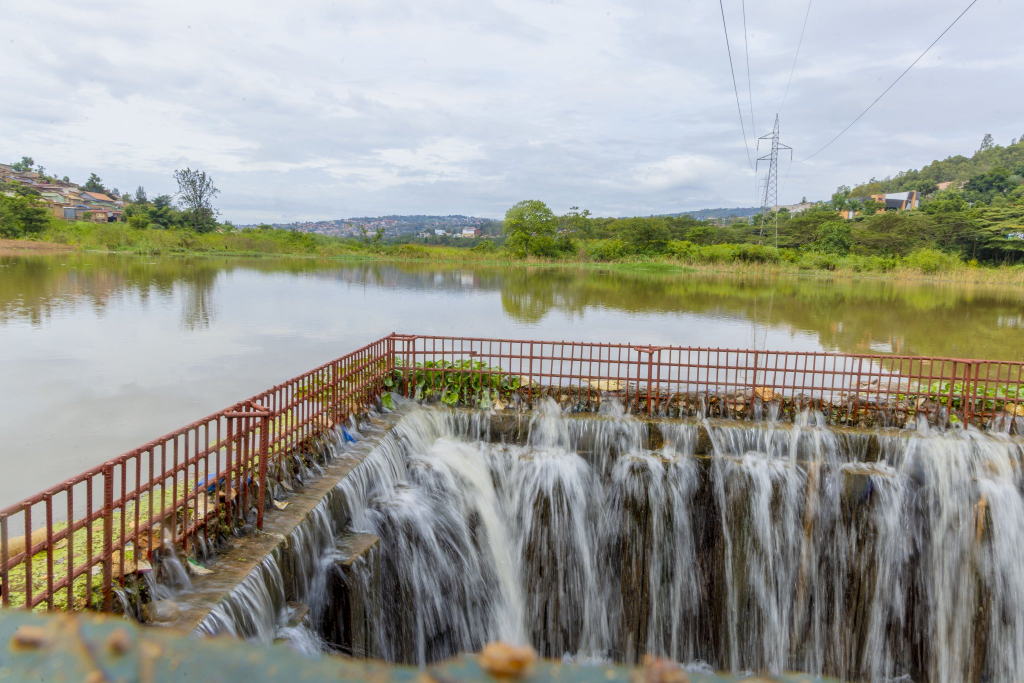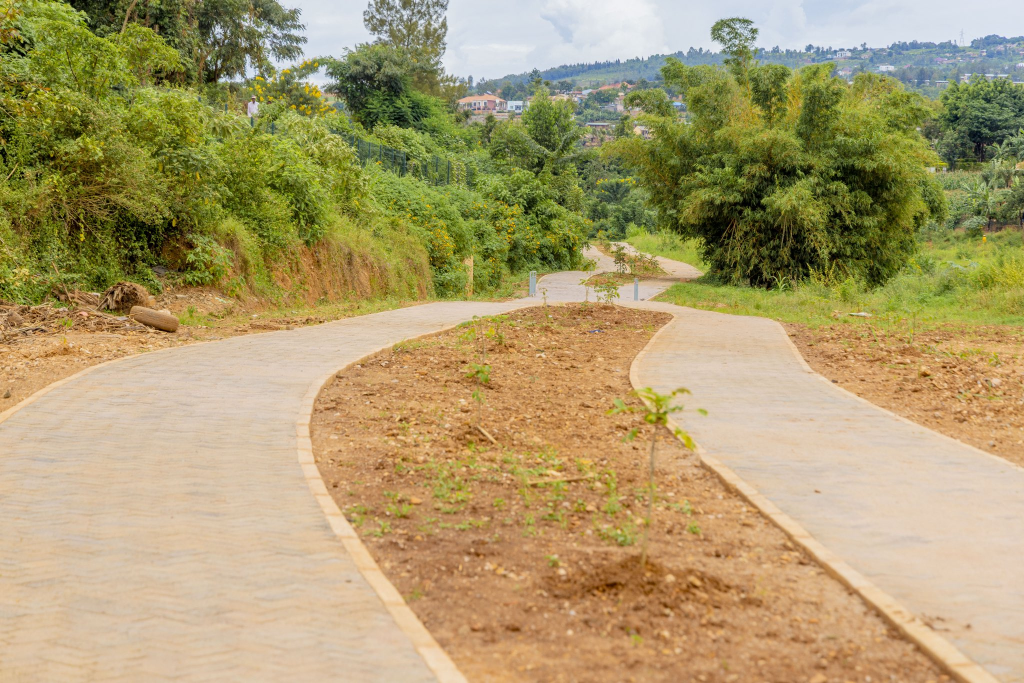
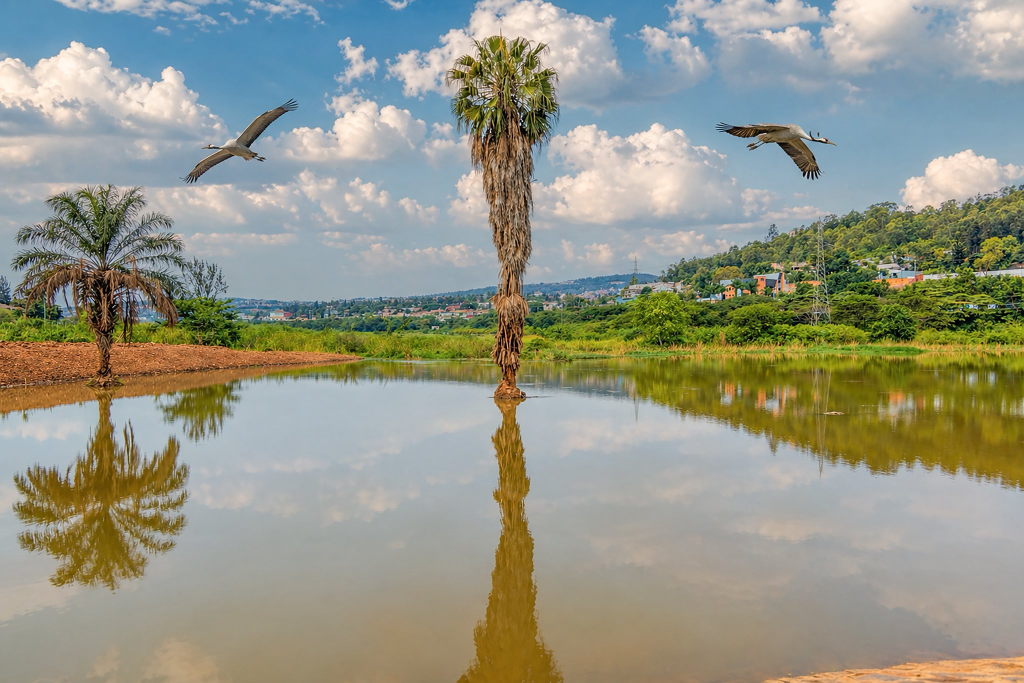

Restoration works on Kigali’s wetlands are progressing steadily, with authorities reporting that the project is now about 92% complete. The initiative aims to transform the wetlands into attractive eco-tourism sites while restoring biodiversity and improving water management across the city.
The wetlands currently under rehabilitation include Gikondo (Kanogo), Nyabugogo, Rwampara, Rugenge Rwintare, and Kibumba. The ongoing works are part of broader efforts to strengthen environmental protection and enhance the ecological function of urban water systems.
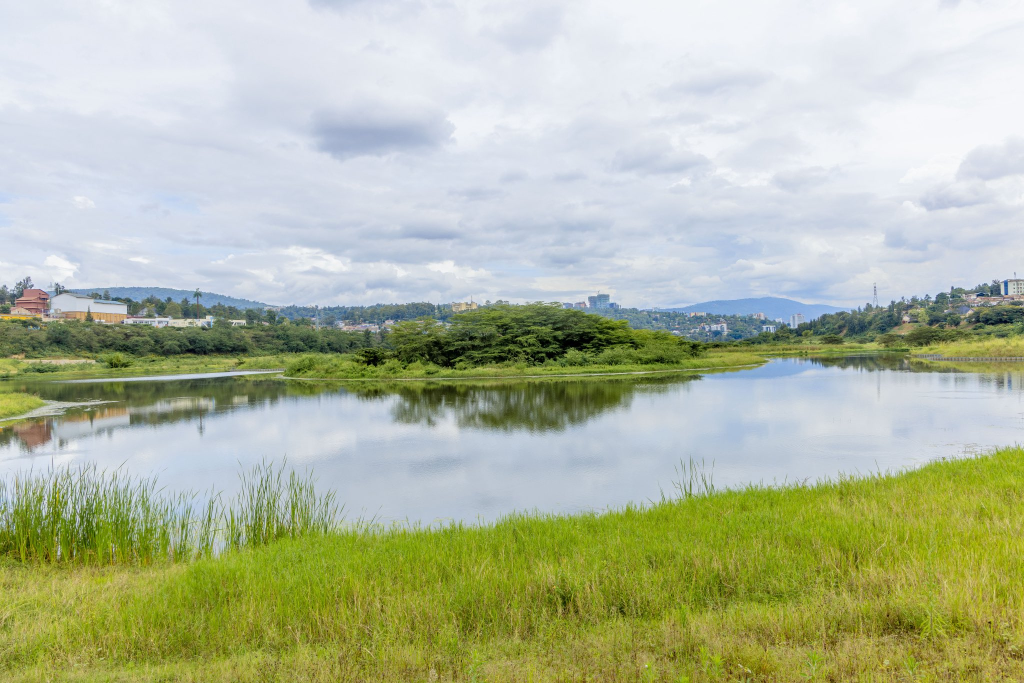
The project is being implemented under the Second Rwanda Urban Development Project (RUDP II), with the Rwanda Environment Management Authority (REMA) overseeing key restoration activities across the targeted wetlands.
A range of international and national partners are supporting the initiative, including the Global Environment Facility, Nordic Development Fund, Rwanda Green Fund, the World Bank, the Government of Rwanda, the Government of Denmark, and the Pilot Program for Climate Resilience.
Officials note that wetlands play a vital role in environmental sustainability by filtering water, absorbing pollutants, reducing flood risks, supporting biodiversity, regulating climate through carbon storage, and providing economic opportunities for surrounding communities.
Back in the days, Rwanda also marked World Wetlands Day on 31 January 2026 by combining the commemoration with the monthly community service exercise, Umuganda, held at Gikondo Wetland. Although World Wetlands Day is officially observed on 2 February, the country aligned the event with community participation activities to strengthen public awareness on conservation.
Speaking during the event, Minister of Environment Dr. Bernadette Arakwiye emphasized the importance of collective responsibility in protecting natural ecosystems. She noted that Umuganda reflects a shared duty among citizens and institutions to safeguard the environment and promote sustainability.
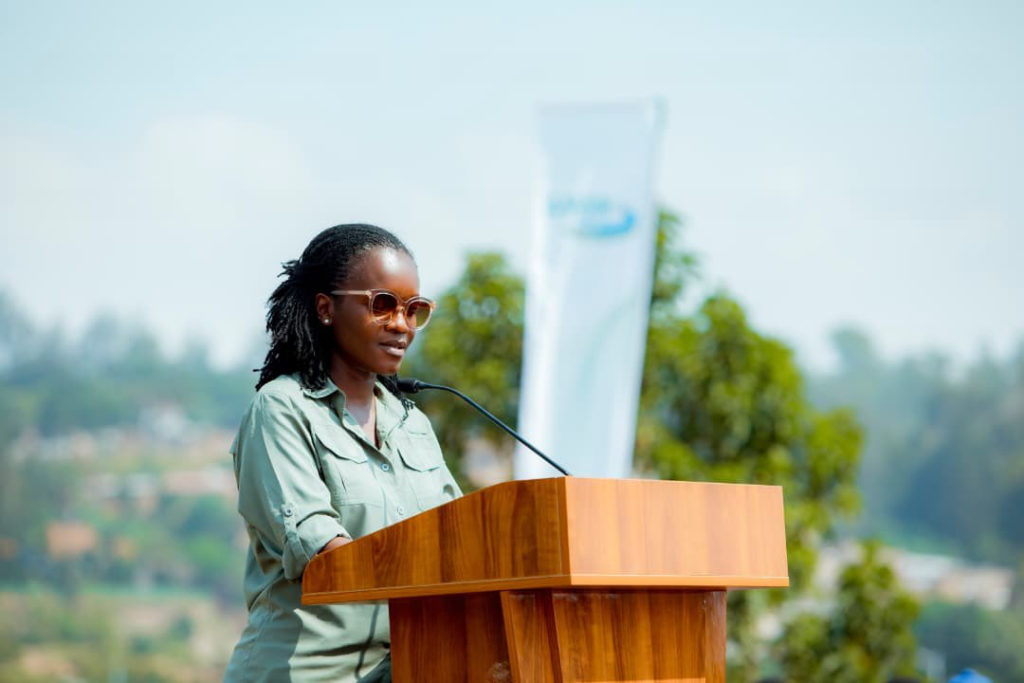
She further stressed that strong collaboration between communities, government institutions, and development partners is key to achieving long-term environmental resilience.
The ongoing restoration of Kigali’s wetlands reflects Rwanda’s strong national commitment to environmental protection, sustainable urban development, and climate resilience. By investing in ecosystem restoration and community participation, the country continues to position itself as a regional leader in green growth and nature-based solutions for a sustainable future.