
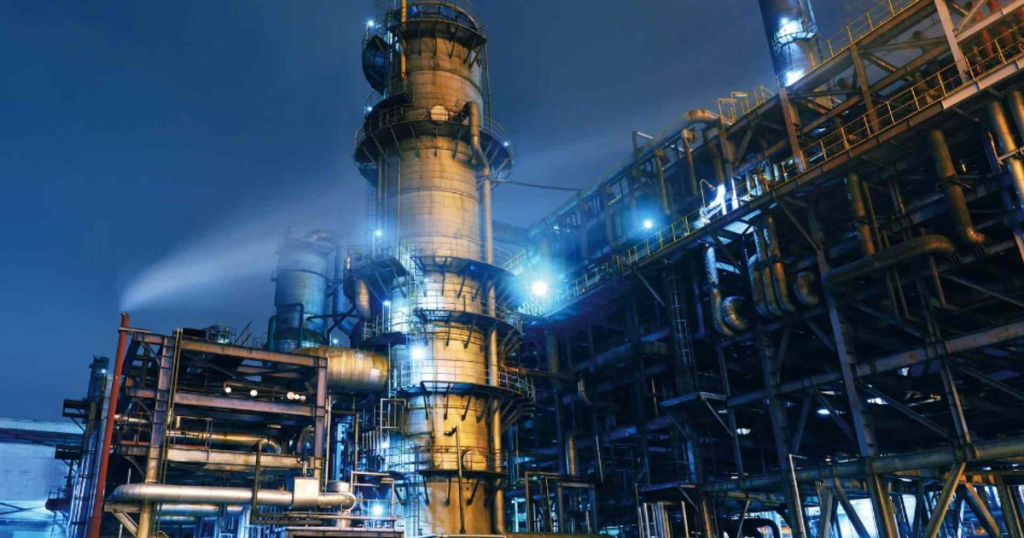

Angola has taken a significant step toward strengthening its energy sector following the official launch of operations at the Cabinda Oil Refinery, a landmark project expected to reduce the country’s dependence on imported fuel and expand domestic refining capacity.
Located in the oil-rich Cabinda Province, the refinery is Angola’s first major refining facility built since the country gained independence nearly five decades ago. The project is also considered one of the few large-scale refinery developments undertaken in Africa in recent years, highlighting the continent’s growing efforts to boost local processing of crude oil.
Constructed at a cost of more than $470 million, the refinery has already begun supplying diesel to the domestic market while exporting heavy fuel oil and naphtha to international buyers. The facility is majority-owned by Gemcorp Capital LLP, which says the project was designed to improve Angola’s energy security and reduce pressure on fuel imports.
Currently, the refinery processes 30,000 barrels of crude oil per day, meeting approximately 10% of Angola’s domestic fuel demand. Authorities believe the project will help stabilize fuel supply, create employment opportunities, and contribute to industrial development within the country.
Expansion plans to double capacity
Developers are preparing for a second phase of expansion that will increase the refinery’s processing capacity to 60,000 barrels per day. The next phase, estimated to cost around $700 million, will include the installation of a hydrocracking unit to boost the production of diesel and jet fuel. Financial closure for the expansion is expected later this year.
Despite being one of Africa’s largest crude oil producers, Angola still imports nearly 72% of its refined petroleum products annually, according to state-owned oil company Sonangol. Officials say expanding local refining capacity is essential to reducing import costs and retaining more value within the national economy.
Africa’s growing push for local refining
The launch of the Cabinda refinery comes at a time when African countries are increasingly investing in downstream oil infrastructure to strengthen energy independence and reduce reliance on imported petroleum products.
According to the African Petroleum Producers’ Organisation, Africa continues to export most of its crude oil while importing a large share of refined fuel products, creating a costly imbalance for many economies across the continent.
Large-scale projects such as Nigeria’s Dangote Petroleum Refinery have also highlighted Africa’s ambition to expand refining capacity and improve regional fuel supply chains.
In addition to the Cabinda project, Angola is developing other refinery projects, including a 200,000-barrel-per-day refinery in Lobito and another planned facility in Soyo, although the Soyo project is currently under review following challenges involving its private developer.
Gemcorp is also exploring future expansion opportunities at the Cabinda refinery, including the possibility of establishing a petrochemicals facility as Angola positions itself as a stronger player in regional energy markets.


