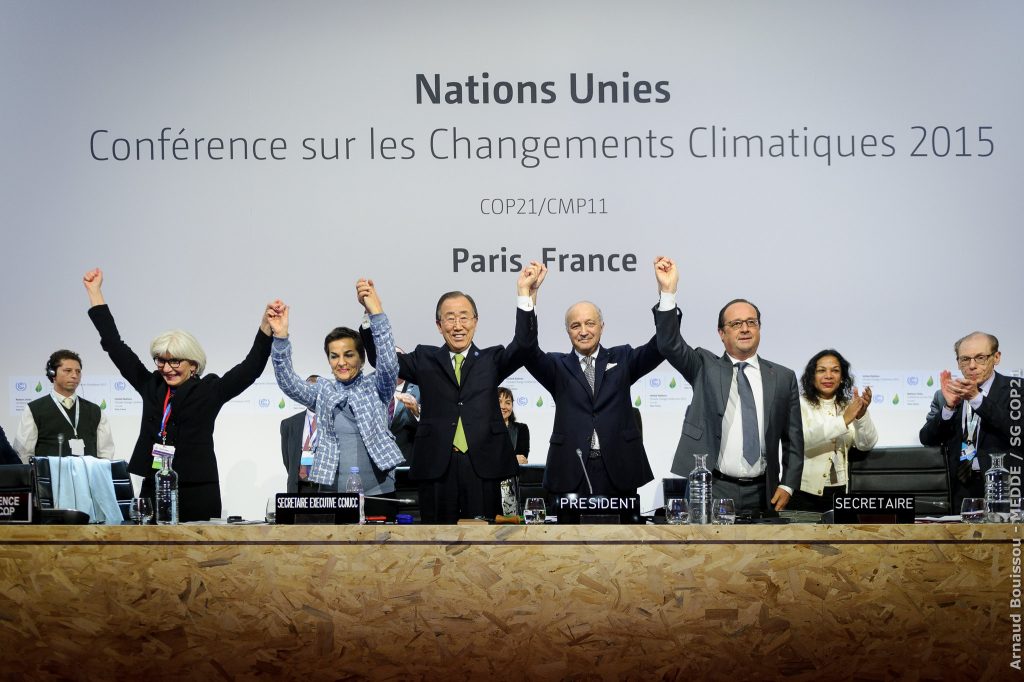

The Paris Agreement is one of the most important global climate treaties ever adopted. It was signed in 2015 during the United Nations Climate Change Conference (COP21) in Paris, France, and it brought together nearly all countries in the world with a shared commitment: to fight climate change and protect the planet for future generations.
At its core, the agreement aims to limit global warming to well below 2°C above pre-industrial levels, while encouraging efforts to keep it even lower at 1.5°C. This target is crucial because even small increases in global temperature can lead to severe consequences such as extreme weather, rising sea levels, droughts, floods, and loss of biodiversity.
The Paris Agreement is built on the idea that every country shares responsibility in protecting the planet. Each nation develops its own climate action plan, known as Nationally Determined Contributions (NDCs), and is expected to strengthen these commitments over time. Through these plans, countries work to reduce greenhouse gas emissions, transition toward cleaner energy sources such as solar and wind, and reinforce policies that safeguard the environment.
How the Paris Agreement Helps Protect the Environment
The Paris Agreement plays a key role in environmental protection in several ways:
First, it encourages countries to reduce pollution caused by human activities such as burning fossil fuels, deforestation, and industrial emissions. Promoting cleaner energy sources like solar, wind, and hydroelectric power, it helps reduce the harmful gases that trap heat in the atmosphere.
Second, it supports adaptation efforts. Many countries, especially developing ones, are already experiencing climate impacts. The agreement helps them build resilience by improving agricultural systems, protecting water resources, and preparing for natural disasters.
Third, it promotes international cooperation. Climate change is a global problem, and no country can solve it alone. Through the agreement, wealthier nations are encouraged to provide financial and technical support to developing countries to help them transition to greener economies.
Although the Paris Agreement is a global policy, its impact reaches down to individuals and communities. It influences how governments design environmental laws, how companies produce energy, and how societies manage natural resources.
The agreement shows that climate action is something for governments as well as a shared responsibility. Small everyday actions like planting trees, reducing waste, practicing sustainable farming, and spreading environmental awareness all add up and help protect the planet we all depend on.
The Paris Agreement brings countries together with a shared responsibility to protect the planet. It relies on cooperation, accountability, and steady commitment from both governments and individuals. As climate challenges continue to grow, supporting and understanding this agreement remains important for achieving a safer, cleaner, and more sustainable future for everyone.