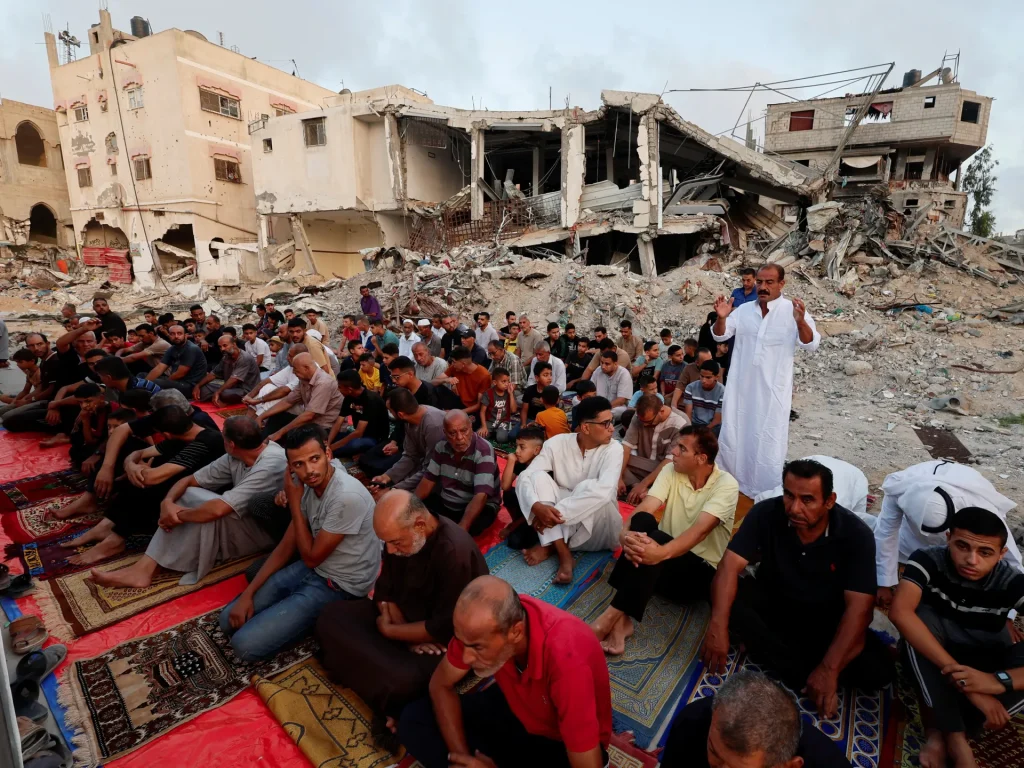

Today marks the beginning of Eid Al-Adha, the Muslim “Festival of Sacrifice,” a holiday traditionally celebrated with family gatherings, festive meals, charitable giving, and prayer. Across much of the Middle East, however, this year’s observance is unfolding against a backdrop of war, displacement, and deep economic hardship.
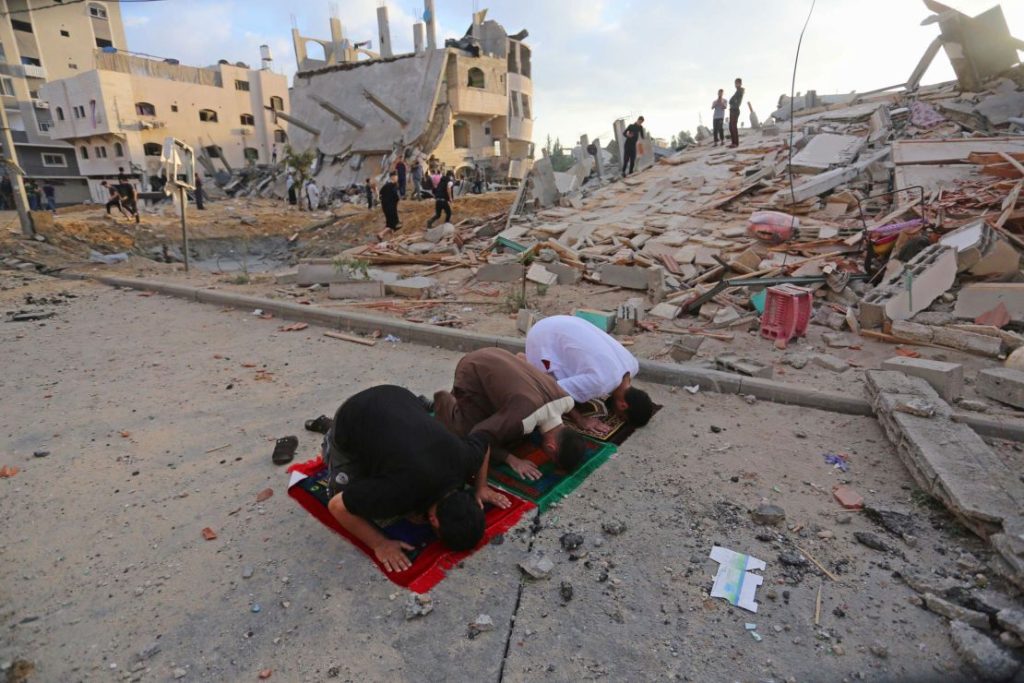
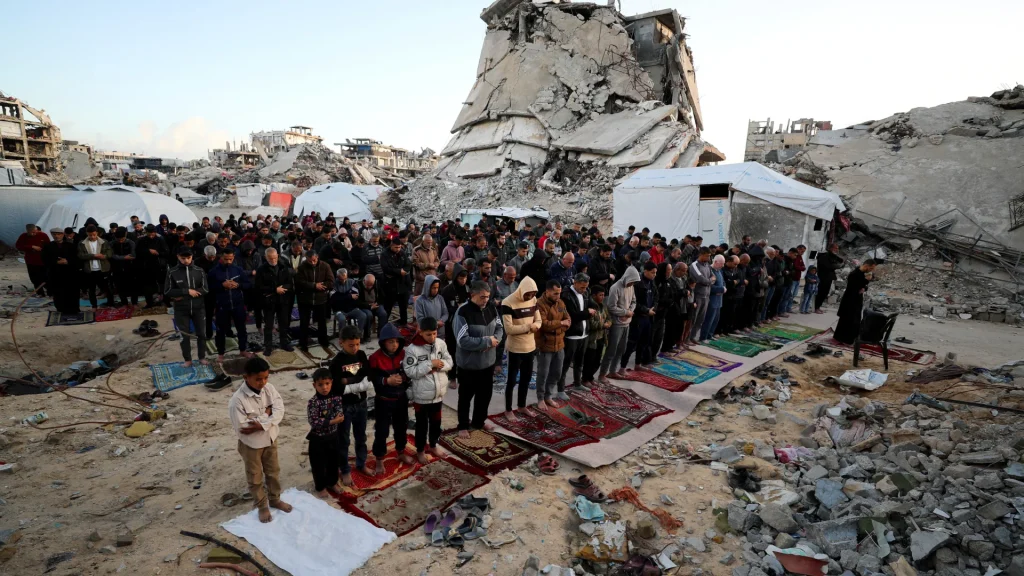
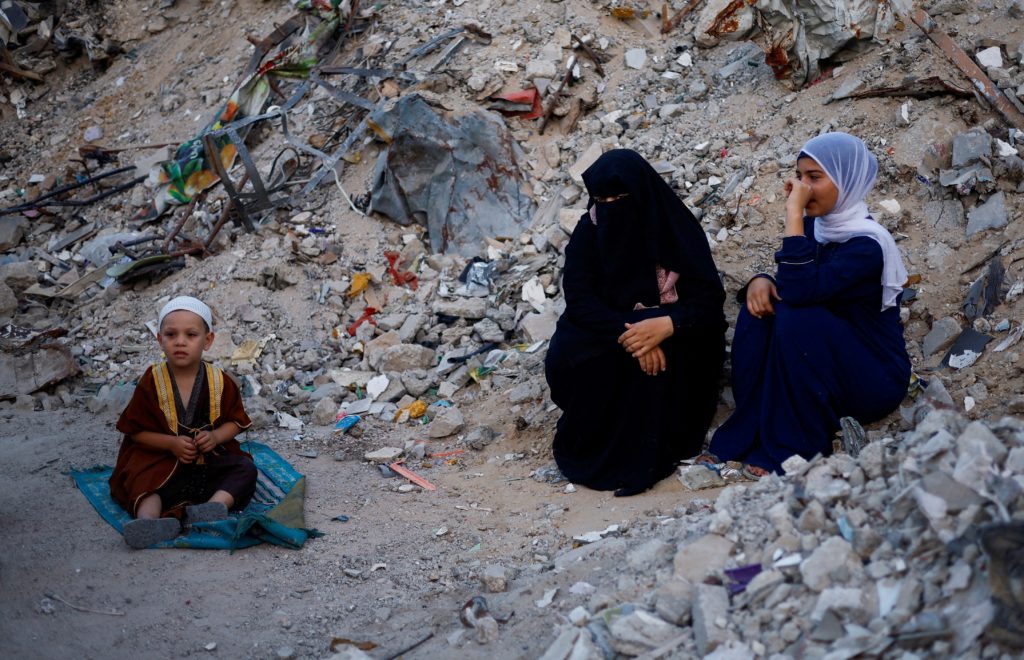
In Gaza, families are observing the holiday amid severe shortages of food, clean water, medicine, and fuel. Humanitarian agencies say continuing restrictions and widespread destruction have devastated daily life and sharply limited access to basic necessities. Livestock shortages and soaring prices have also made the traditional Eid sacrifice unattainable for most residents.
Many Palestinians in Gaza are marking a third consecutive Eid Al-Adha under wartime conditions. Markets that would normally be crowded with shoppers and livestock traders remain subdued, while displaced families sheltering in tents say the atmosphere of celebration has largely disappeared.
In Lebanon, tensions along the southern border continue despite ongoing diplomatic efforts aimed at preventing wider escalation between Israel and Hezbollah. Periodic airstrikes and security fears have disrupted Eid preparations in some communities near the border, adding to the strain on families already facing Lebanon’s prolonged economic crisis.
Elsewhere in the region, economic pressures are reshaping how Eid is celebrated. In Syria, Yemen, and Egypt, inflation and rising food prices have made traditional holiday spending increasingly difficult for many households. Families in several countries report scaling back meals, gifts, and travel plans as living costs continue to rise.
Despite the hardships, many communities are still trying to preserve the spirit of Eid through acts of solidarity and mutual support. Volunteers, local charities, and neighbors are sharing food and organizing modest gatherings for children in displacement camps and damaged neighborhoods.
While Gulf countries and more stable parts of the region are seeing relatively normal holiday travel and celebrations, much of the Middle East is entering Eid under conditions of uncertainty and hardship.
For many families affected by conflict and economic instability, this year’s Eid Al-Adha has become a symbol not only of faith and sacrifice, but also of resilience and hope for a more stable future.