

Across Kamonyi, Ruhango, Nyanza, and Gisagara districts, Rwanda’s Green Amayaga Project has emerged as a strong example of how environmental restoration can drive community transformation and sustainable development.
Over the past six years, Phase One of the project has translated ambitious environmental goals into measurable outcomes that continue to strengthen livelihoods, restore ecosystems, and build resilience against climate change.
More than 416,000 people have benefited from the project’s interventions, with 60.85 percent of beneficiaries being women, highlighting a strong focus on inclusive development and community empowerment, according to a recent report released by REMA.
In the economic dimension, the project has created over 100,000 green jobs, offering income-generating opportunities for residents while reinforcing environmental conservation efforts. These opportunities have enabled thousands of households to actively participate in building a greener and more sustainable future.
At the household level, livelihood support has remained central to the project’s approach. Through livestock distribution programmes, more than 14,000 households received cows, goats, and pigs, contributing to improved nutrition, increased food production, and strengthened household incomes.
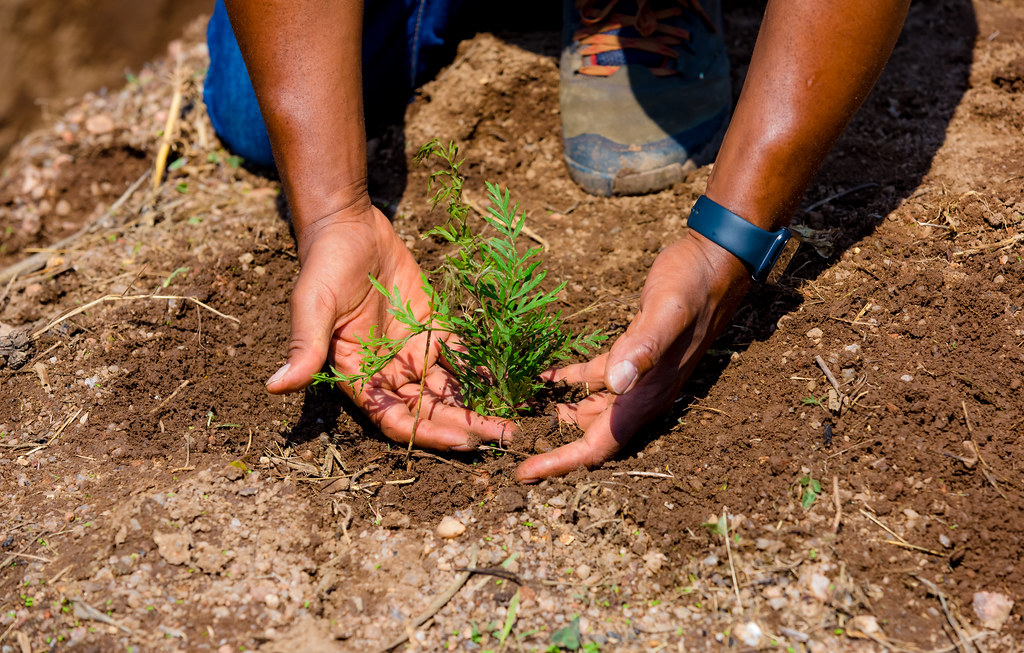
Environmental restoration stands out as one of the project’s most significant achievements. A total of 37,900 hectares of land have been rehabilitated across the Amayaga region, transforming degraded landscapes into productive ecosystems with improved soil fertility and enhanced climate resilience.
The initiative has also contributed to biodiversity conservation through the protection and restoration of 466.9 hectares of the Kibirizi-Muyira Natural Forest, safeguarding an important ecological resource for future generations.
In advancing clean energy solutions, the project distributed improved cookstoves to more than 224,000 households, reducing pressure on forests, improving energy efficiency, and promoting healthier living conditions.
Beyond local impact, Green Amayaga has also contributed to global climate action by helping to avoid more than 625,000 tonnes of carbon dioxide equivalent emissions, underscoring its relevance in addressing climate change.
While the numbers are significant, the project’s true impact is reflected in the lives behind them, families with improved livelihoods, communities with restored landscapes, and residents better equipped to adapt to environmental challenges.
As Phase One concludes and a new phase begins, Green Amayaga stands as a strong example of what can be achieved through coordinated efforts between communities, government institutions, and development partners. The achievements recorded over the past six years provide a solid foundation for continued progress toward a greener, more resilient, and more prosperous Amayaga region.