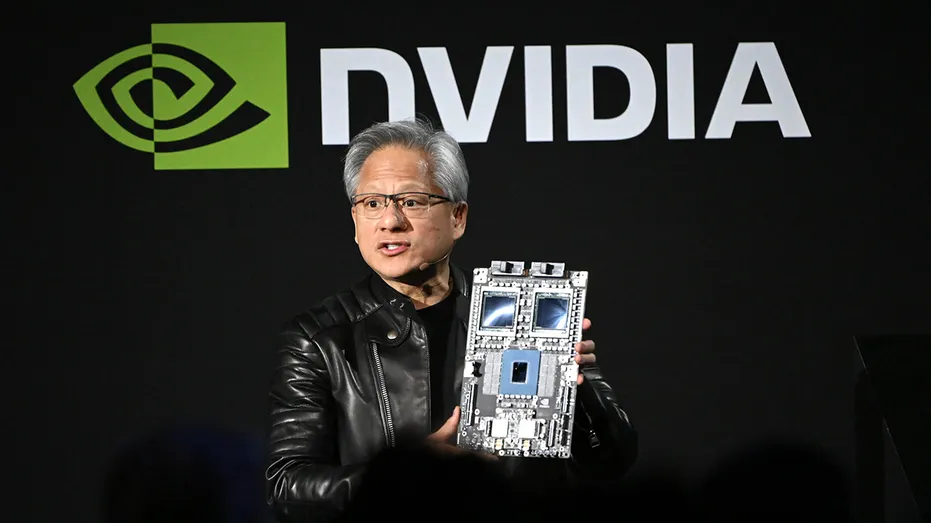
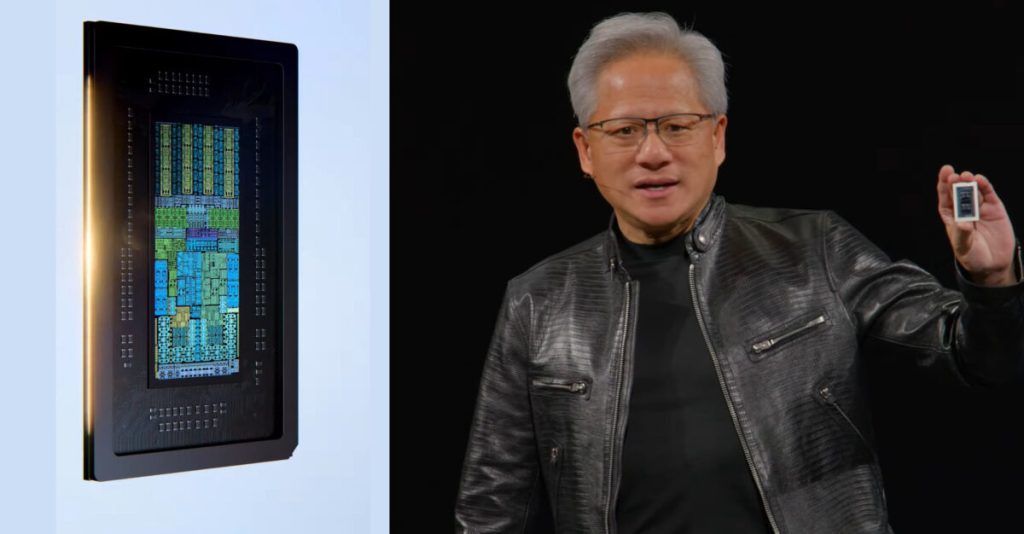

The launch signals the company’s growing push into the PC market and reflects a broader industry shift toward faster, more private on-device artificial intelligence.
The new processor, called RTX Spark, was introduced by Nvidia CEO Jensen Huang during a keynote address in Taipei ahead of the annual Computex technology exhibition.
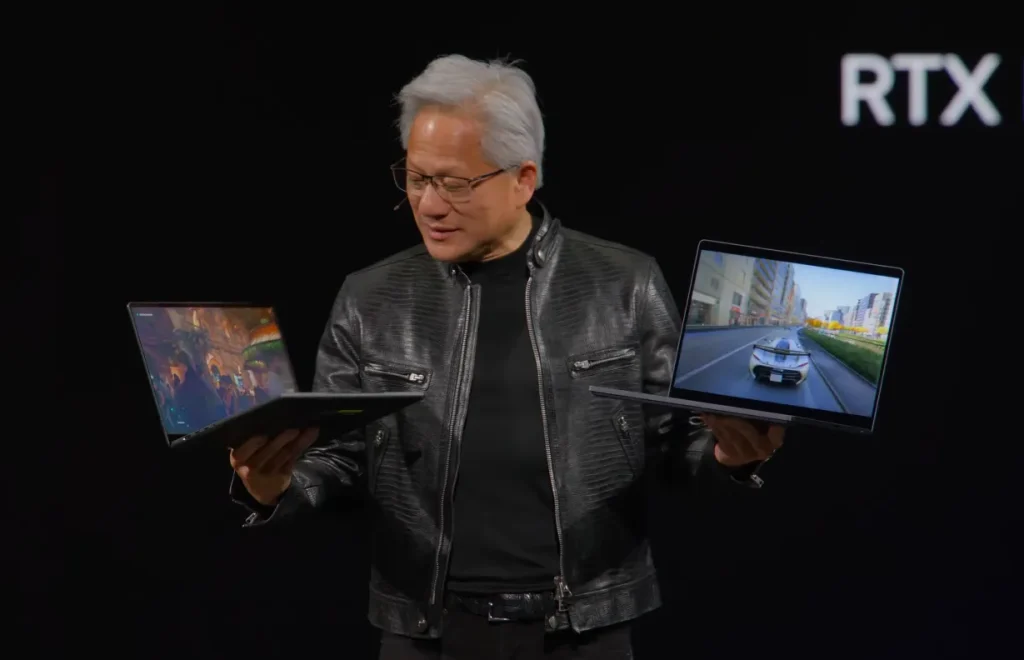
According to Huang, the chip was developed in collaboration with Microsoft as part of a broader effort to reshape the personal computing experience for the AI era. Unlike many current AI systems that rely heavily on cloud-based infrastructure, RTX Spark is designed to run AI agents locally on laptops and desktop computers, allowing users to process tasks directly on their devices.
The shift toward on-device AI could offer several benefits, including faster response times, enhanced privacy, reduced reliance on internet connectivity and lower cloud-computing costs. Industry observers believe such capabilities could significantly change how people interact with computers in the coming years.

Nvidia said RTX Spark was developed with support from Taiwanese semiconductor company MediaTek. Analysts view the launch as a significant milestone in the evolution of personal computing, as technology companies race to integrate AI more deeply into consumer devices.
Neil Shah, co-founder of Counterpoint Research, described the technology as a potential turning point for the PC industry, saying it could help transform traditional application-based computers into systems powered by intelligent AI agents capable of performing tasks autonomously.
Alongside RTX Spark, Nvidia also introduced its new Vera central processing unit (CPU), underscoring the company’s growing ambitions in the CPU market. Huang said the processor was built specifically for AI workloads and has already attracted interest from organizations including OpenAI, Anthropic and SpaceX.
The announcements highlight Nvidia’s strategy to broaden its AI hardware portfolio as global demand for artificial intelligence technologies continues to grow. During a recent earnings call, Huang described the CPU sector as a major market opportunity for the company.
The focus on AI agents running locally on devices was echoed by Cristiano Amon, chief executive of Qualcomm, who said the industry is entering a new phase in which AI systems will move beyond responding to prompts and become increasingly autonomous.
Huang also pushed back against concerns that artificial intelligence could reduce employment opportunities for software engineers. Instead, he argued that AI tools are boosting productivity and increasing demand for skilled developers.
The Nvidia chief, who was born in Tainan, highlighted Taiwan’s growing importance in the global AI supply chain and technology industry during his presentation.
Computex, one of the world’s largest technology trade shows, opens in Taipei on June 2 and runs through June 5, bringing together executives and industry leaders from some of the world’s biggest technology companies.