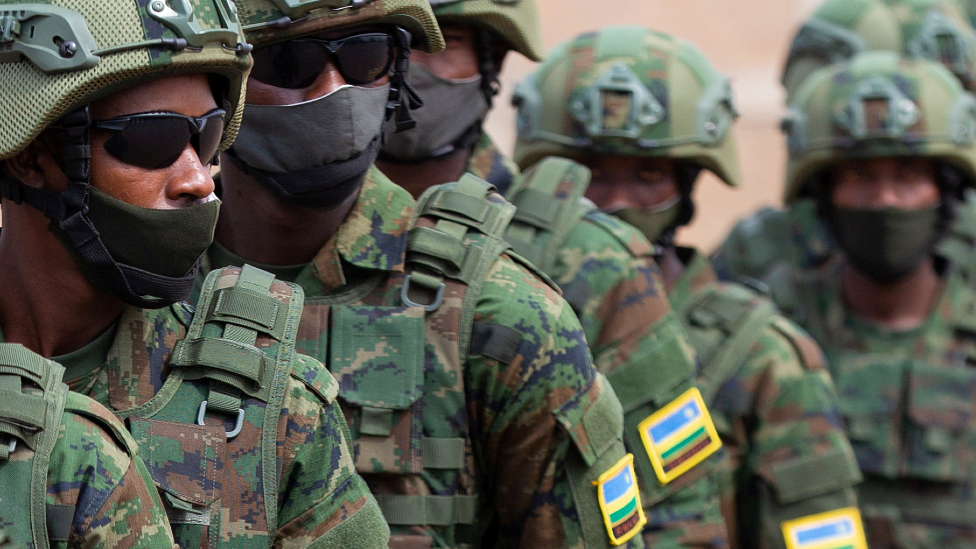

The announcement comes as the European Union has continued to place conditions and delays on a €20 million funding package that had been supporting the Rwanda Defence Force (RDF) in the mission.
As a result, Rwanda and Mozambique held discussions that concluded with Mozambique agreeing to cover the costs of the RDF deployment in Cabo Delgado to ensure the mission continues.
Before these talks took place, Rwanda had indicated that it was prepared to withdraw its troops from Mozambique if adequate funding for the mission could not be secured.
After initially remaining silent on the matter, Mozambique has now officially confirmed that it will provide the support needed for Rwandan forces to continue their operations in the country.
Mozambique Government Spokesperson Inocêncio Impissa said the funding decision reflects the value of Rwanda’s military presence and the benefits it brings to Mozambique’s security sector.
“I do not know the exact cost or how long they will remain here, but the agreement will be refined in the future. What is clear is that having these troops helps the country continue rebuilding and strengthening its own capabilities,” he said.
He added:
“This gives us time to reorganize our armed forces by enhancing their capacity, equipment, and technology, while continuing to benefit from the support of a friendly partner in maintaining regional security.”
Rwanda has maintained a military and police deployment in Mozambique for five years, following an invitation from the Mozambican government in early July 2021. More than 6,300 Rwandan soldiers and police officers have served in the mission.
The deployment aims to support Mozambique in combating terrorist groups and insurgents operating in Cabo Delgado Province.
Since the mission began, it has achieved significant results. Areas that had previously been occupied by insurgent groups have largely been secured in zones under Rwandan protection, allowing many displaced residents to return to their homes and resume normal life.