
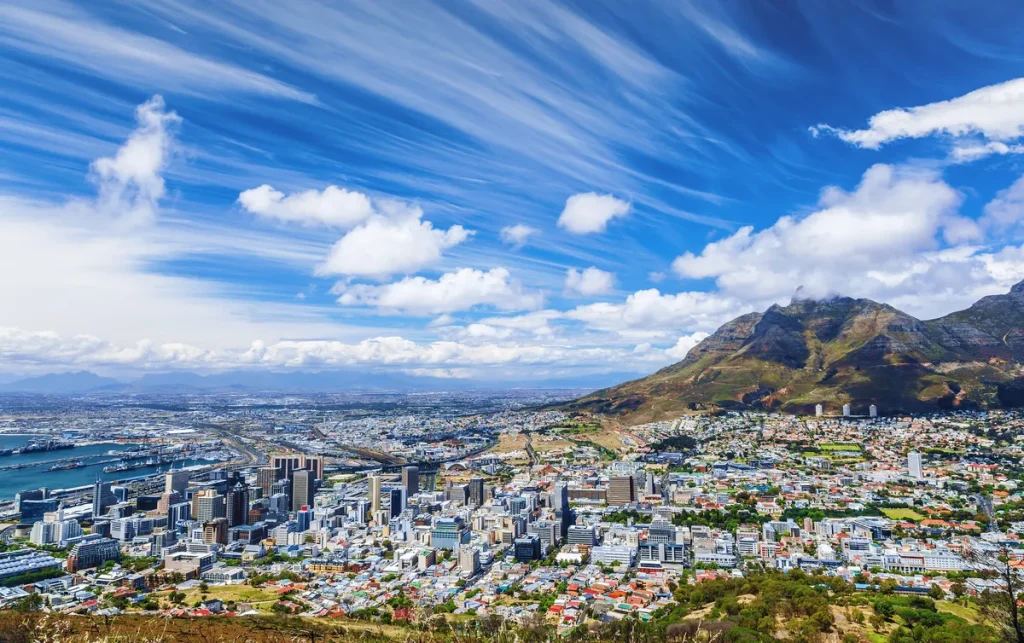

Art and culture continue to play a central role in shaping how cities define their identity, attract tourism, and strengthen global influence. In the 2026 Time Out Global Culture Report released by Time Out, Cape Town, the capital city of South Africa; Marrakech, a major city in Morocco; and Cairo, the capital city of Egypt, have been ranked among the world’s leading cultural destinations, further highlighting Africa’s rising creative power and its expanding presence on the international cultural stage.
The ranking is based on a broad survey of more than 24,000 residents across over 150 cities worldwide. Participants assessed the quality, accessibility, and affordability of their cultural environments, including museums, theatre, music, festivals, galleries, comedy, and live performances. Additionally, the findings were reinforced by insights from cultural editors and international experts, ensuring a balanced and comprehensive global perspective.
Cape Town leads Africa’s cultural renaissance
Cape Town emerged as the highest-ranked African city, securing a remarkable 5th position globally. Notably, the South African city continues to distinguish itself as a vibrant cultural powerhouse where African creativity, global influence, and local storytelling intersect.
Its cultural strength is anchored by leading institutions such as the Zeitz Museum of Contemporary Art Africa (MOCAA) and the Norval Foundation, which have played a significant role in elevating African contemporary art on the world stage. In addition, historic and performance spaces such as the Baxter Theatre Centre, Artscape Theatre Centre, and the Labia Theatre continue to nurture a dynamic creative community.
Moreover, Cape Town’s cultural calendar remains one of the most active in Africa. Flagship events such as the Investec Cape Town Art Fair, the continent’s largest contemporary art fair, alongside monthly First Thursdays art walks, have transformed the city into a living, open-air gallery. As a result, art spills into streets, public spaces, and everyday life, making culture both accessible and deeply embedded in the urban experience.
Importantly, immersive installations like LUMENOCITY and international creative collaborations have further strengthened Cape Town’s global appeal, positioning it as a city where innovation and artistic expression continuously evolve.
Marrakech bridges heritage and global creativity
Similarly, Marrakech ranked 12th globally and 2nd in Africa, reinforcing its position as a cultural bridge between tradition and modern artistic expression.
On one hand, the city remains deeply rooted in its historic identity, its medina, craftsmanship, and architectural heritage forming a strong cultural foundation. On the other hand, Marrakech has emerged as a global creative hub through major platforms such as the 1-54 African Art Fair Marrakech, which attracts artists, collectors, and curators from across the world.
Furthermore, the city’s expanding ecosystem of galleries, studios, artist residencies, and cultural foundations continues to enhance its international visibility. Consequently, Marrakech is increasingly recognized not only for preserving heritage but also for actively shaping contemporary African and global art conversations.
Cairo connects ancient legacy with modern cultural revival
Meanwhile, Cairo secured 16th place globally and 3rd in Africa, reaffirming its long-standing position as one of the Arab world’s most influential cultural capitals.
In particular, the opening of the Grand Egyptian Museum in late 2025 marked a turning point in the city’s cultural revival. The museum has since become a global attraction, showcasing Egypt’s ancient civilization while reinforcing its role in modern cultural tourism and education.
At the same time, Cairo’s contemporary arts scene continues to grow steadily, with emerging galleries, music venues, literary platforms, and independent creative spaces contributing to a more diverse cultural identity. Therefore, the city is increasingly evolving into a dual cultural landscape where ancient heritage and modern creativity coexist in powerful harmony.
Africa’s rising cultural influence on the global stage
Beyond individual cities, the 2026 report reflects a broader transformation: Africa is no longer a peripheral player in global culture but a central contributor to it. In fact, cities like Cape Town, Marrakech, and Cairo demonstrate how African creativity is shaping global artistic trends through innovation, heritage preservation, and cultural exchange.
From visual arts and music to festivals and heritage tourism, African cities are increasingly influencing how the world experiences culture. Consequently, the continent’s cultural footprint is expanding rapidly, driven by both institutional investment and grassroots creativity.
This recognition highlights a significant shift in global cultural geography, where African cities are actively shaping and redefining the global cultural scene.
Other top cities and their positions in the 2026 ranking
In addition to African representation, the global top 20 list includes a diverse mix of cultural capitals:
- London – United Kingdom
- Paris – France
- New York City – United States
- Berlin – Germany
- Cape Town – South Africa
- Melbourne – Australia
- São Paulo – Brazil
- Madrid – Spain
- Florence – Italy
- Kraków – Poland
- Taipei – Taiwan
- Marrakech – Morocco
- Copenhagen – Denmark
- Guadalajara – Mexico
- Athens – Greece
- Cairo – Egypt
- Beijing – China
- Jaipur – India
- Chiang Mai – Thailand
- Lisbon – Portugal
The Time Out 2026 report ranking underscores a significant global shift in cultural recognition, with Africa standing out as one of the fastest-growing creative regions in the world. Through cities like Cape Town, Marrakech, and Cairo, the continent is not only preserving its rich heritage but also actively shaping the future of global art and culture.
This showcases Africa’s culture as stronger, more visible, and more influential, marking a positive new era in which the continent confidently stands at the center of global creativity. It highlights the richness of Africa’s heritage while also celebrating the energy, innovation, and talent driving its contemporary artistic scene. As a result, African cities, artists, and cultural institutions are increasingly inspiring global trends in art, music, film, and creative expression, proudly reinforcing Africa’s position as a vibrant and respected leader in the world’s cultural landscape.


