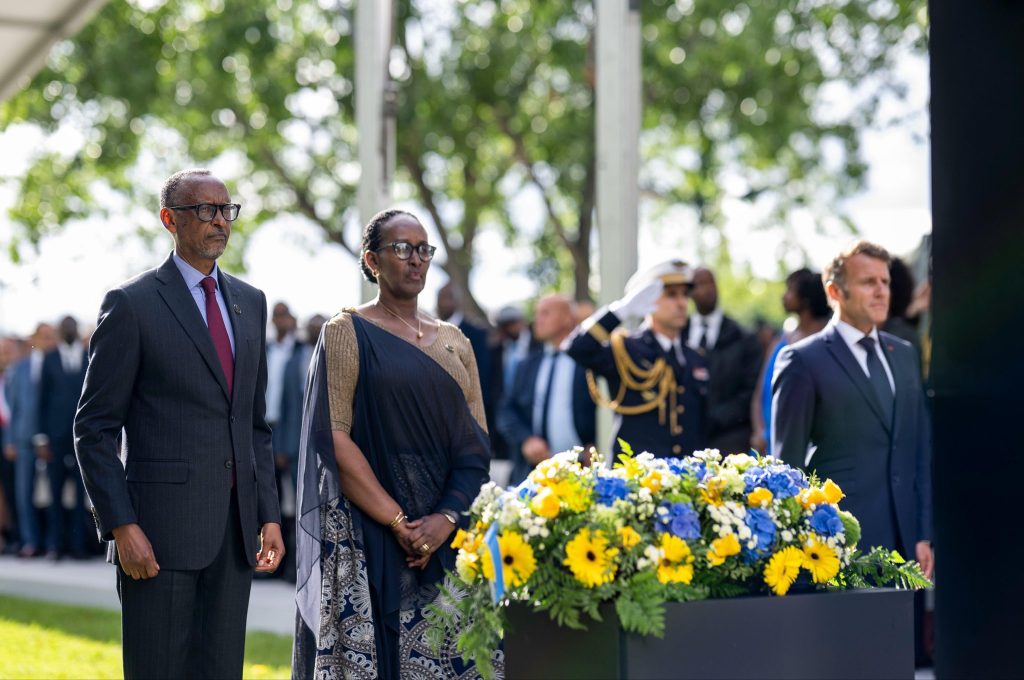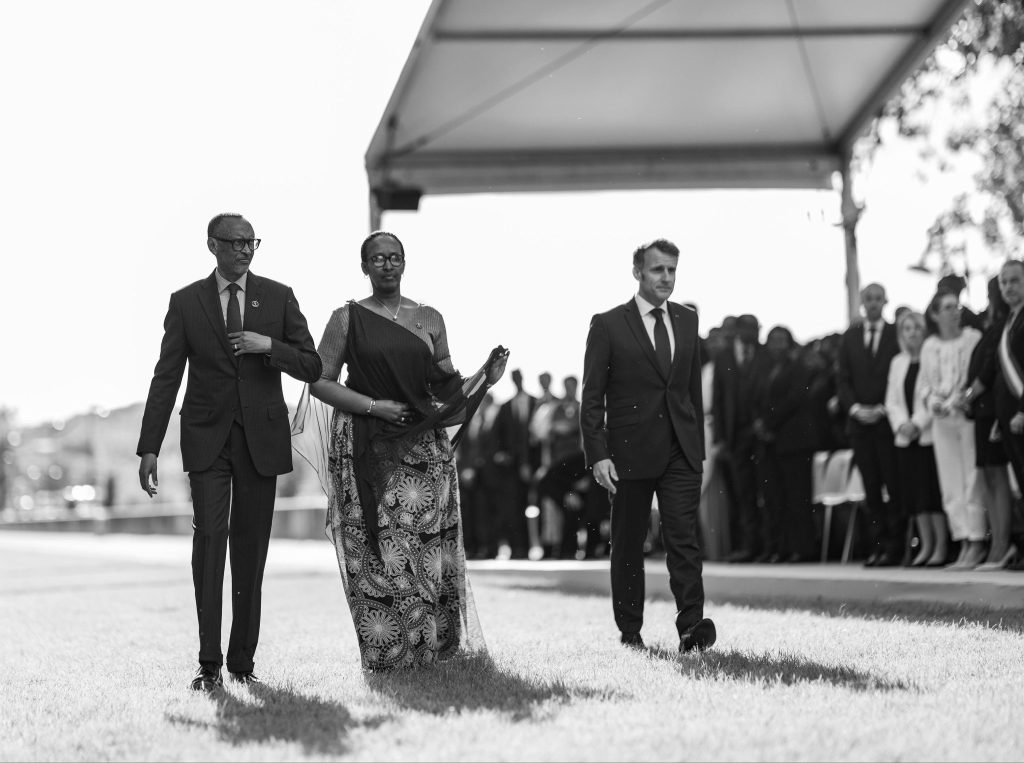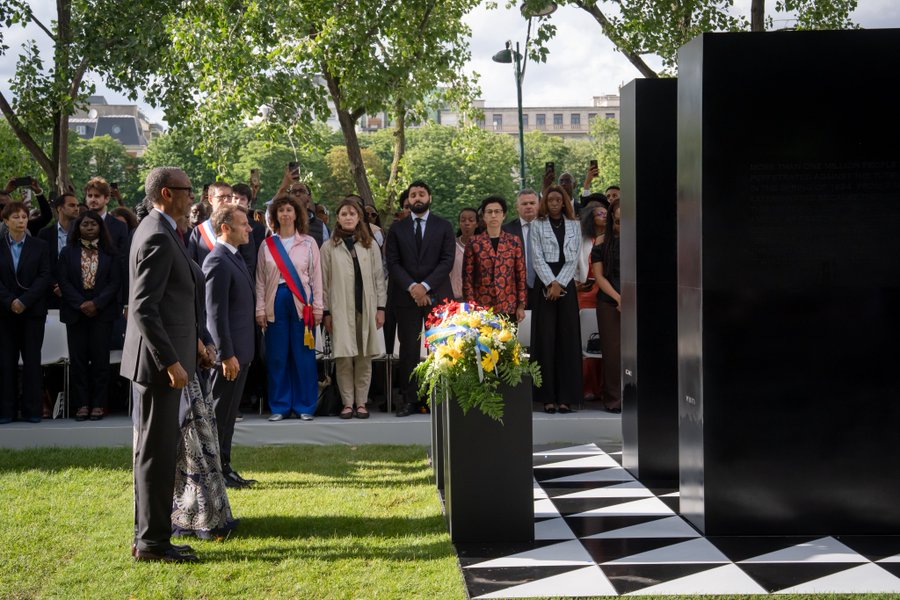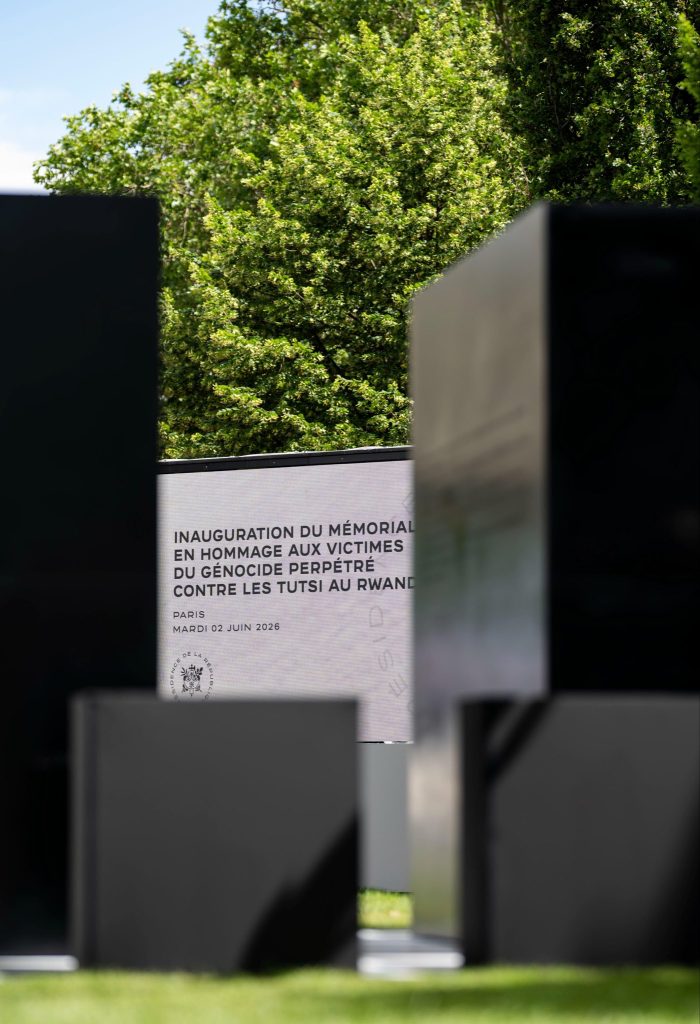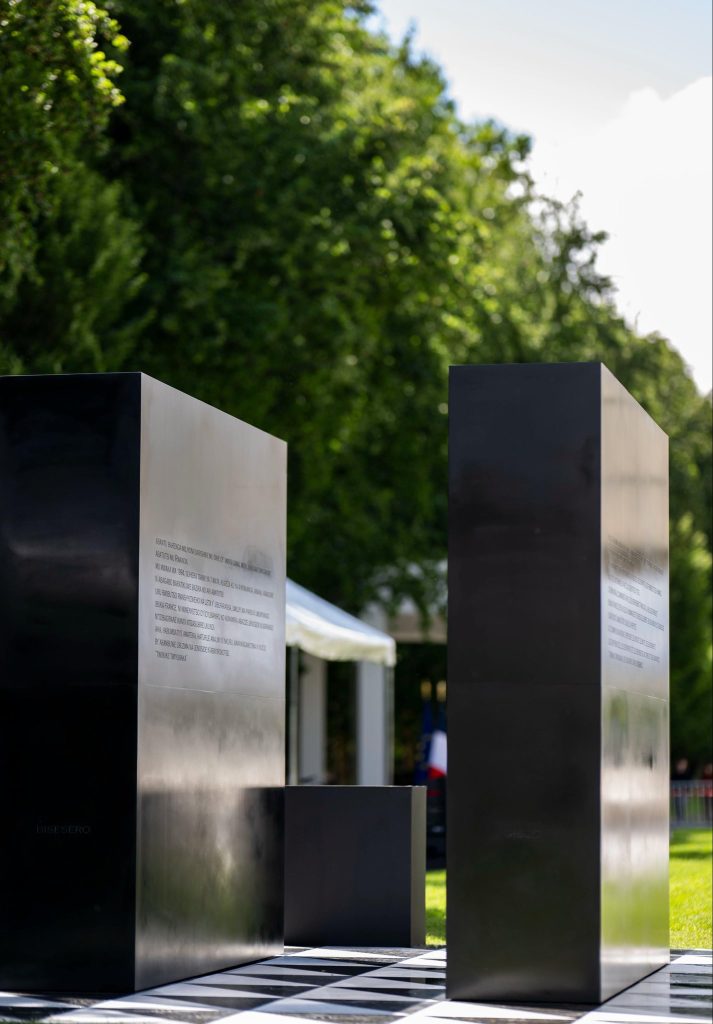
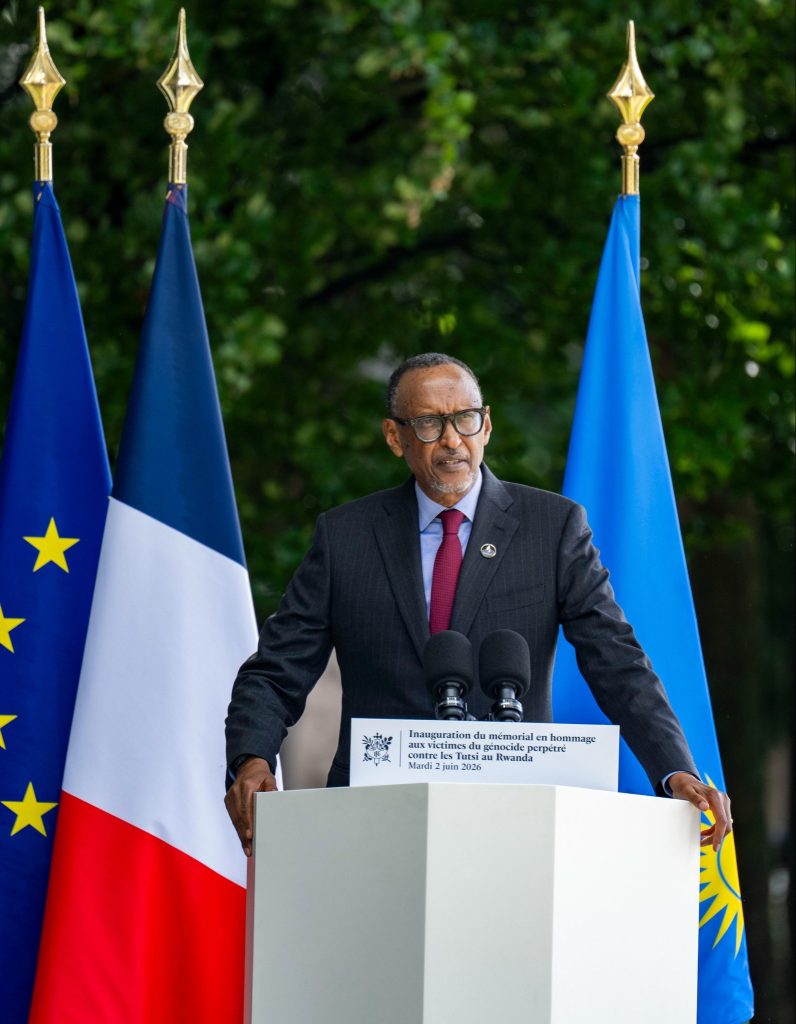

He made the remarks on the evening of June 2, 2026, during the official inauguration of a memorial dedicated to the 1994 Genocide against the Tutsi along the banks of the Seine River in Paris. The memorial, named Les Archives, was unveiled in the presence of President Macron, Paris Mayor Emmanuel Grégoire, officials from both governments, Secretary-General of the Organisation Internationale de la Francophonie (OIF) Louise Mushikiwabo, IBUKA-France President Marcel Kabanda, and genocide survivors.
President Kagame thanked French individuals who have contributed to revealing the truth about the genocide, including former Paris Mayor Anne Hidalgo, her successor, journalists, historians, and human rights advocates.
He described the memorial as a powerful symbol of historical truth, emphasizing that the truth about the genocide cannot be shaken because it is built on a solid foundation. He said it stands as a testament to the dignity of Rwandans and their history.
Kagame specifically thanked Macron for his visit to the Kigali Genocide Memorial in Gisozi on May 27, 2021, where the French President acknowledged that France had abandoned Rwanda despite clear warning signs of the genocide.
“President Macron, I would like to thank you for two reasons: determination and humanity,” Kagame said. “Five years ago, after the publication of two independent reports—one commissioned by your government and the other by Rwanda—you came to Kigali when both reports had reached the same conclusion.”
He continued: “You acknowledged that France could have stopped the genocide but did not do so. I stated at the time that these words were even more important than an apology—they represented the truth.”
Kagame noted that France’s process of confronting its role in Rwanda began under former French President Nicolas Sarkozy, whose historic visit to Rwanda in 2010 included an acknowledgment of serious mistakes made by France during the genocide.
The Rwandan leader observed that many countries failed Rwanda during the genocide, but said France had taken a significant step by openly admitting it could have done more to save Tutsi lives and by intensifying efforts to prosecute genocide suspects residing in France.
“We also appreciate the considerable efforts made to bring genocide perpetrators living in France to justice and to criminalize genocide denial. This work must continue,” Kagame said.
He stressed that Rwandans have committed themselves to overcoming the tragedy of their past and ensuring it never happens again. Thirty-two years after the genocide, Rwanda continues to educate younger generations and advance its national reconstruction journey.
Kagame added that attempts to intimidate or pressure Rwandans only strengthen their resolve and determination to continue building and developing their country.
President Macron, in his remarks, reaffirmed that no one is above the law in France and warned genocide suspects who believed they could find permanent refuge there.
“No one is above the law,” Macron said. “Those who thought they had found a lifelong safe haven in our country have received their answer from French justice. Crimes against humanity do not expire and will not go unpunished. I repeat: justice will be done.”
In addition to prosecuting individuals accused of participating in the genocide, including Dr. Eugène Rwamucyo, Dr. Sosthène Munyemana, Philippe Hategekimana, and Claude Muhayimana, Macron said France would continue efforts to combat genocide ideology.
He highlighted the role played by hate media during the genocide, particularly RTLM radio, whose broadcasters included figures such as Kantano Habimana and Valérie Bemeriki.
Macron warned that, 32 years after the genocide, modern forms of media and digital platforms can still be used to spread hatred and extremist ideologies.
“How can we not be alarmed by the power of propaganda spreading through technology?” he asked. “On our screens today, there are other versions of RTLM. We must remain vigilant and fight ideologies based on ethnic hatred and racism wherever they emerge.”
France has enacted laws criminalizing genocide denial and minimization. One notable case involved French-Cameroonian writer Charles Onana, who was convicted for publishing material denying that the Genocide against the Tutsi was planned.