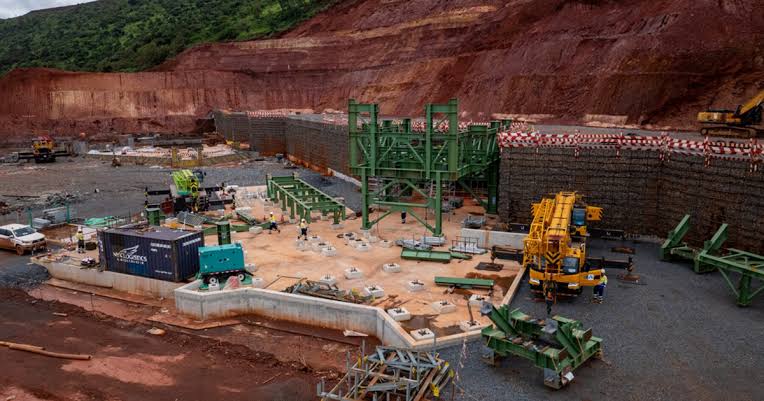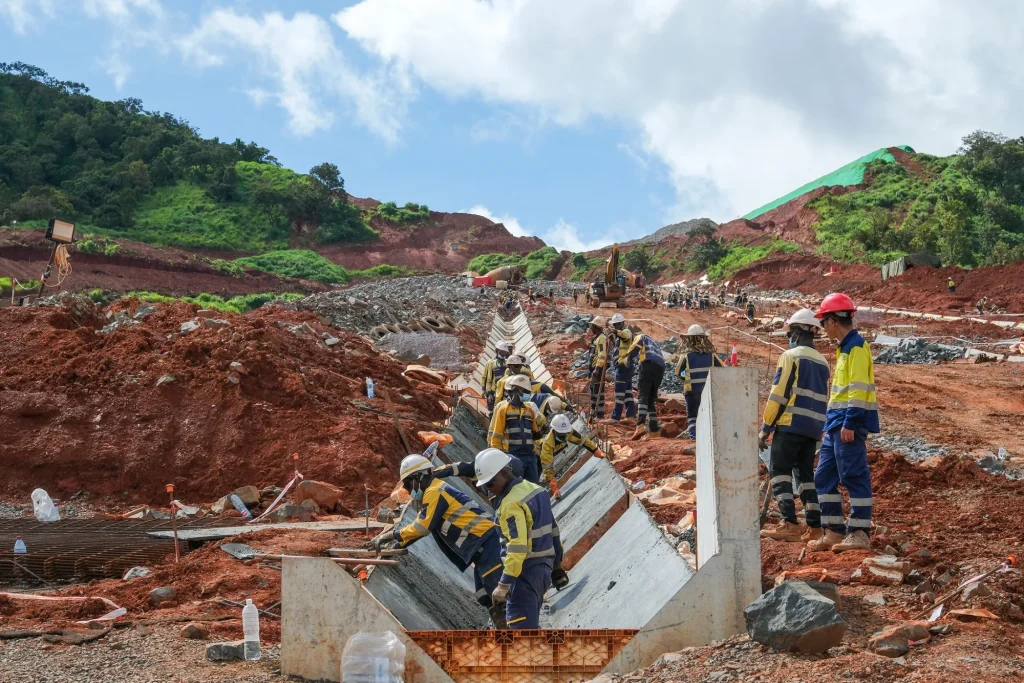
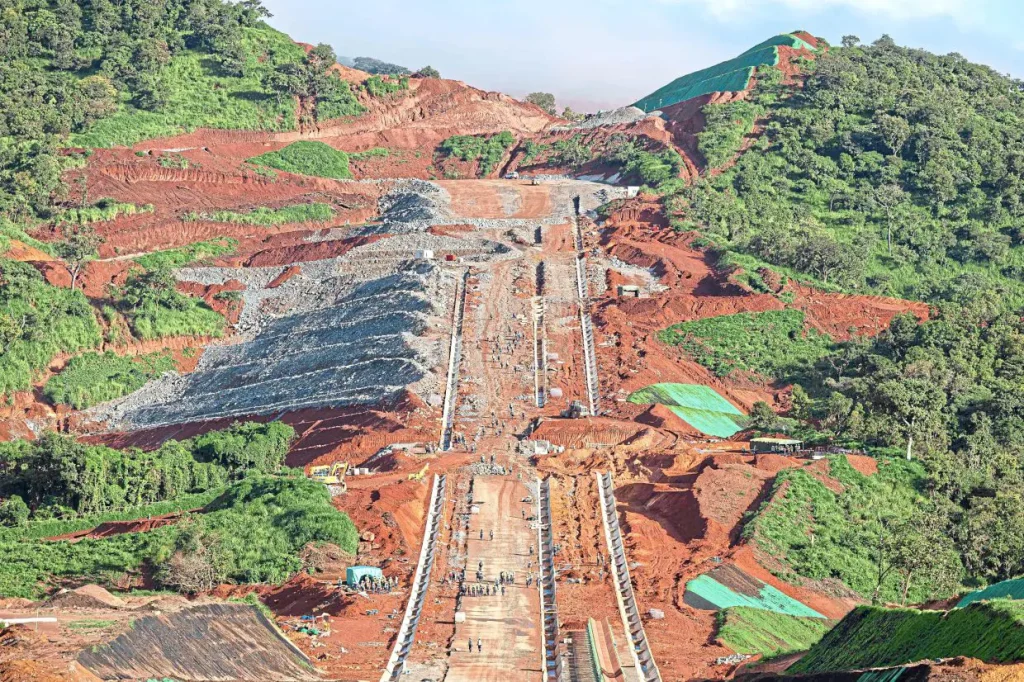

Guinea’s Simandou iron ore project is continuing to build strong momentum, with export volumes rising significantly just months after the first shipment, signaling a promising phase for one of Africa’s largest mining investments.
Recent data from vessel-tracking systems shows that exports climbed to about 2.2 million tonnes in May, up from 1.3 million tonnes in April. This steady increase follows an earlier gradual start in the year, when shipments were still below 600,000 tonnes per month as operations were being fully established, according to Bloomberg.
Valued at approximately $23 billion, Simandou is widely regarded as a transformative mining development with the potential to reshape global iron ore supply chains. Once fully operational, the project is expected to export up to 120 million tonnes of high-grade iron ore annually, positioning Guinea as a major global supplier.
The project is being developed through two major consortiums: the Baowu Winning Consortium Simandou (BWCS), supported by Chinese and Singaporean partners, and Simfer, a joint venture involving Rio Tinto and China’s Chinalco. Together, these partners are driving large-scale infrastructure development, including rail and port systems designed to support long-term export capacity.
The recent rise in shipments has been attributed to improved operational efficiency at the Morebaya port and stronger coordination between the two consortia. These enhancements have helped streamline logistics, reduce delays, and increase loading capacity, allowing for smoother export flows.
Industry forecasts remain optimistic, with expectations that exports could continue to grow steadily over the coming months. Projections suggest volumes may reach around 8 million tonnes in the third quarter and potentially 12 million tonnes in the fourth quarter as operations expand further and systems mature.
Despite early operational challenges, including infrastructure adjustments and isolated disruptions, the project continues to demonstrate resilience and steady progress. Analysts say these early achievements reflect strong execution in managing one of the world’s most ambitious mining developments.
On the global market, Simandou’s growing output is arriving at a time when demand dynamics remain mixed, particularly in China’s steel sector. However, the high-grade quality of Simandou’s ore is seen as a key advantage, offering efficiency benefits for steelmakers and strengthening Guinea’s competitive position in the global resources market.
As production continues to scale up, Simandou is increasingly viewed as a long-term driver of economic growth for Guinea, with expectations that it will boost export revenues, infrastructure development, and foreign investment in the years ahead.