
The Fourth Tianjin International Shipping Industry Expo, held in the port city of Tianjin from Tuesday to Friday, brought together more than 400 exhibitors from China and abroad. The event focused on strengthening global supply chains and exploring how innovation, digitalization, and cooperation can support the future of maritime transport.
Under the theme “Shipping to the World and Navigating towards the Future: AI Leads New Opportunities for Ports and Shipping,” participants highlighted China’s growing influence in global maritime systems and its ability to maintain steady trade flows even during periods of global volatility.
Industry representatives praised China’s shipping ecosystem, pointing to its advanced infrastructure, integrated industrial network, technological innovation, and extensive international connectivity as key pillars supporting resilience in global logistics.
Johannah Christensen, co-founder and CEO of the Global Maritime Forum, noted that shifting global dynamics have increased the importance of stable maritime systems. She emphasized that China is playing an increasingly central role in shaping a more sustainable shipping future, particularly through its expansion of green shipping corridors and clean energy initiatives.
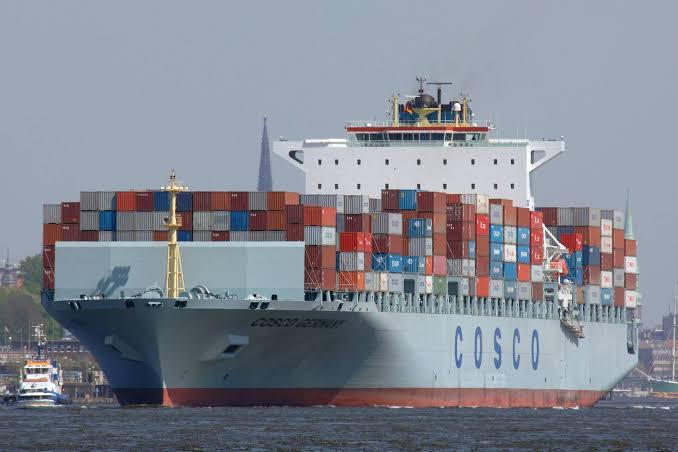
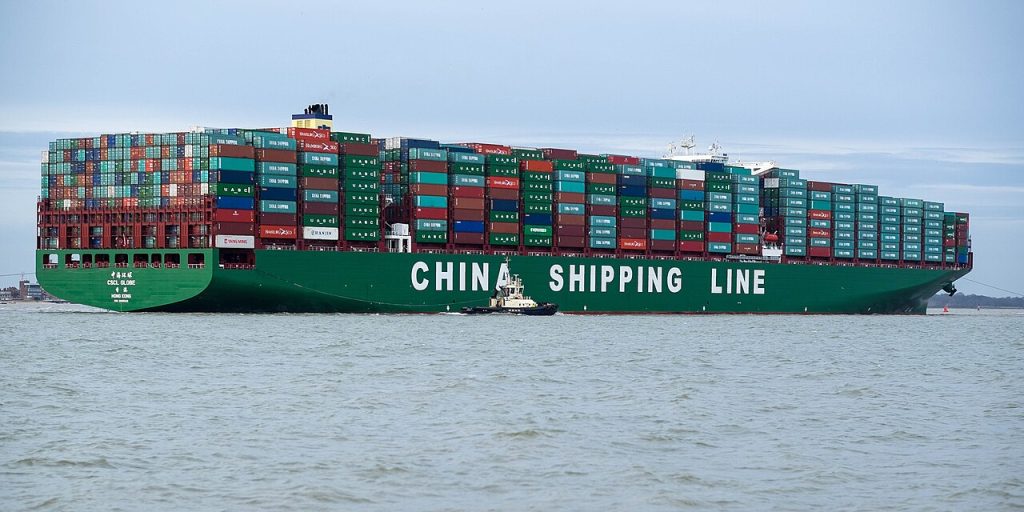
Officials from China’s Ministry of Transport reported that the country has developed the world’s largest port network, maintaining the top global position in both cargo throughput and container handling for over two decades. China’s shipping fleet, they added, ranks first globally in capacity, while its maritime service network spans all major international trade routes.
Recent data presented at the expo showed that China’s port-related economy in coastal cities reached trillions of yuan in value last year, accounting for a significant share of regional economic output and reflecting the sector’s importance in national development.
Experts at the event said China’s shipping resilience is built on four key foundations: strong infrastructure systems, a fully developed industrial chain, continuous technological advancement, and deep integration into global trade networks. These factors, they argued, not only support China’s foreign trade but also contribute to stability in global supply chains.
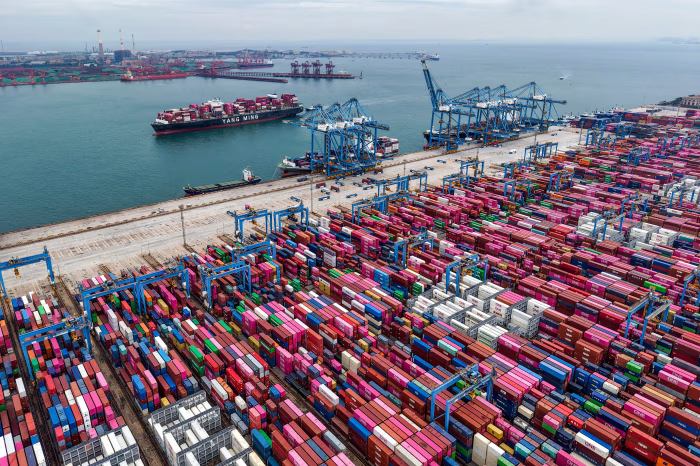
At Tianjin Port, one of China’s key logistics hubs, efficient operations continue to support international trade flows. The port has become a major entry point for global food imports, with products such as beef and seafood arriving regularly from Latin America, Australia, and Europe before being distributed across China.
Trade partners noted that improved logistics efficiency, faster customs clearance, and lower transportation costs have strengthened cooperation with Chinese companies, helping to expand trade volumes in recent years.
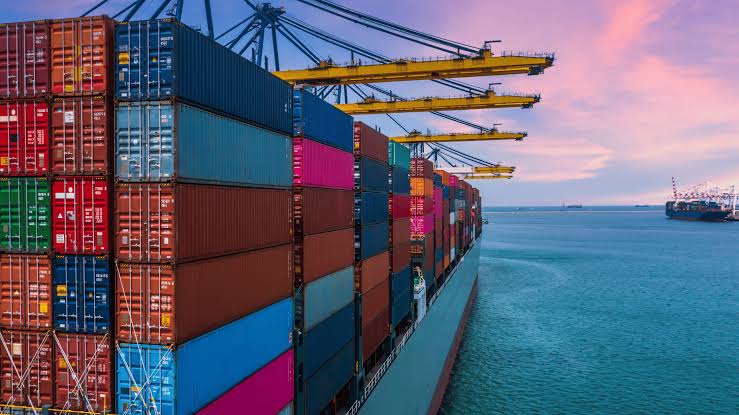
Despite global market uncertainties, China’s ports have maintained steady growth in cargo and container throughput. National data shows continued increases in both bulk cargo handling and container traffic, reinforcing China’s position as a central hub in world trade.
China has also emerged as a global leader in shipbuilding and fleet ownership, further strengthening its influence in maritime transport capacity. Industry experts said this scale provides greater stability in freight supply during periods of global disruption.
The expo also showcased advancements in smart port technology, including automated terminals, AI-driven logistics systems, and remote-controlled cargo handling. Tianjin Port, which operates one of the world’s most advanced zero-carbon smart terminals, demonstrated how automation and artificial intelligence are transforming port efficiency.
Officials highlighted that China now operates dozens of automated terminals and more than a thousand vessels powered by clean energy technologies, reflecting the sector’s shift toward greener and more efficient operations.
Experts concluded that China’s continued investment in smart ports, digital logistics, and global maritime cooperation is not only enhancing its own trade capacity but also offering practical models that can support the modernization of ports worldwide.
As global shipping faces ongoing uncertainty, participants agreed that China’s maritime system is increasingly seen as a key contributor to maintaining stability, efficiency, and confidence in international supply chains.
Source: Xinhua