
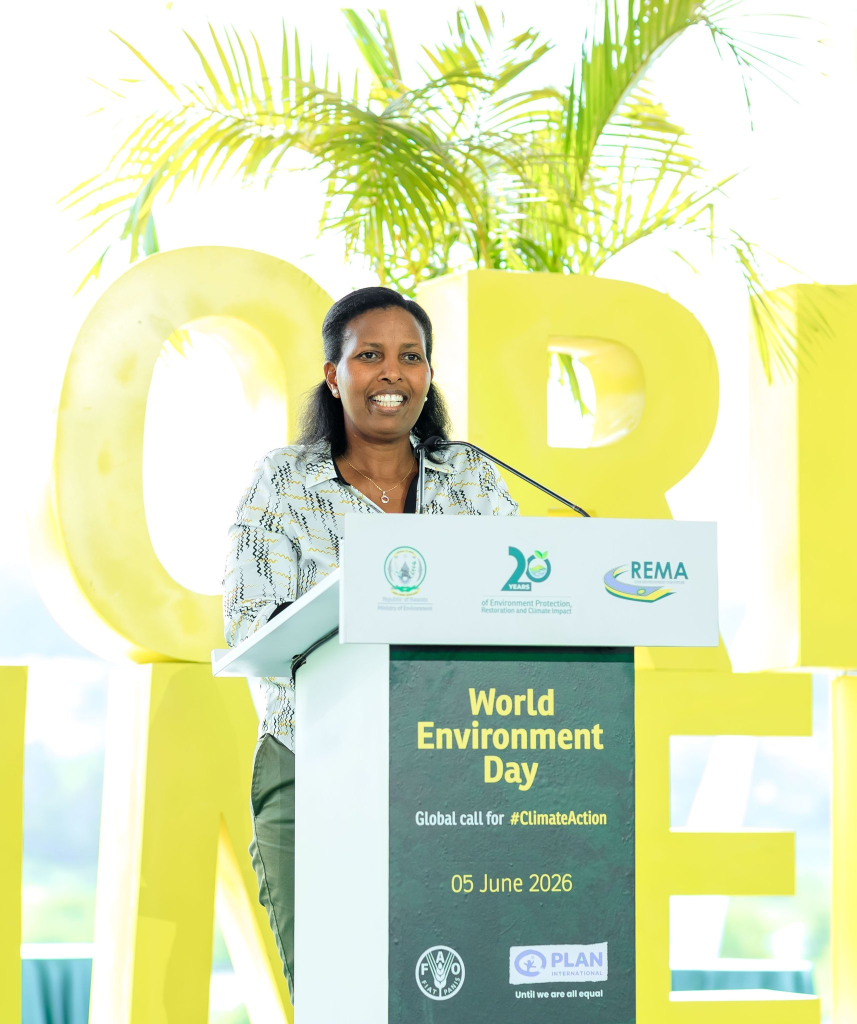

Rwanda Environment Management Authority has celebrated 20 years of remarkable achievements in environmental protection and sustainable development, with Director General Juliet Kabera praising the institution’s central role in driving Rwanda’s green transformation. The event also coincided with the celebration of World Environment Day.
Speaking during the anniversary event held at Gikondo Wetland, Kabera described REMA’s journey as a story of strong commitment, innovation, and national collaboration that has placed environmental sustainability at the heart of Rwanda’s development agenda. She also expressed appreciation for the visionary leadership of President Paul Kagame of the Republic of Rwanda, whose support has been instrumental in enabling these achievements and sustaining ongoing environmental efforts.
She highlighted that since its establishment in 2005, REMA has strengthened environmental governance systems, introduced Environmental Impact Assessments, and supported policies that have significantly improved the management of the country’s natural resources.
Kabera emphasized that one of REMA’s most notable achievements has been ecosystem restoration across the country, which has transformed degraded landscapes into thriving natural environments that support both people and biodiversity.
She pointed to restoration efforts that contributed to the development of Gishwati-Mukura National Park as a strong example of how sustained environmental action can revive ecosystems and strengthen national conservation efforts.
She also highlighted the transformation of wetlands such as Nyandungu Eco-Park into vibrant green spaces that now serve as centers for biodiversity conservation, flood control, recreation, and environmental education.
She further emphasized the importance of proactive environmental action, stating:
“The action should be now. Preparing to counter that before it even reaches us,”
Kabera praised Rwanda’s continued efforts to address climate change through innovation and resilience-building, noting strong progress in climate adaptation, green growth, and environmental monitoring systems.
She also highlighted REMA’s expanding role in supporting cleaner technologies, improving environmental data systems, and guiding policies that promote sustainable urban development and low-carbon growth.
A Canadian participant at the event, Margaret McLennon, also commended Rwanda’s environmental progress and its growing reputation as a leading eco-tourism destination.
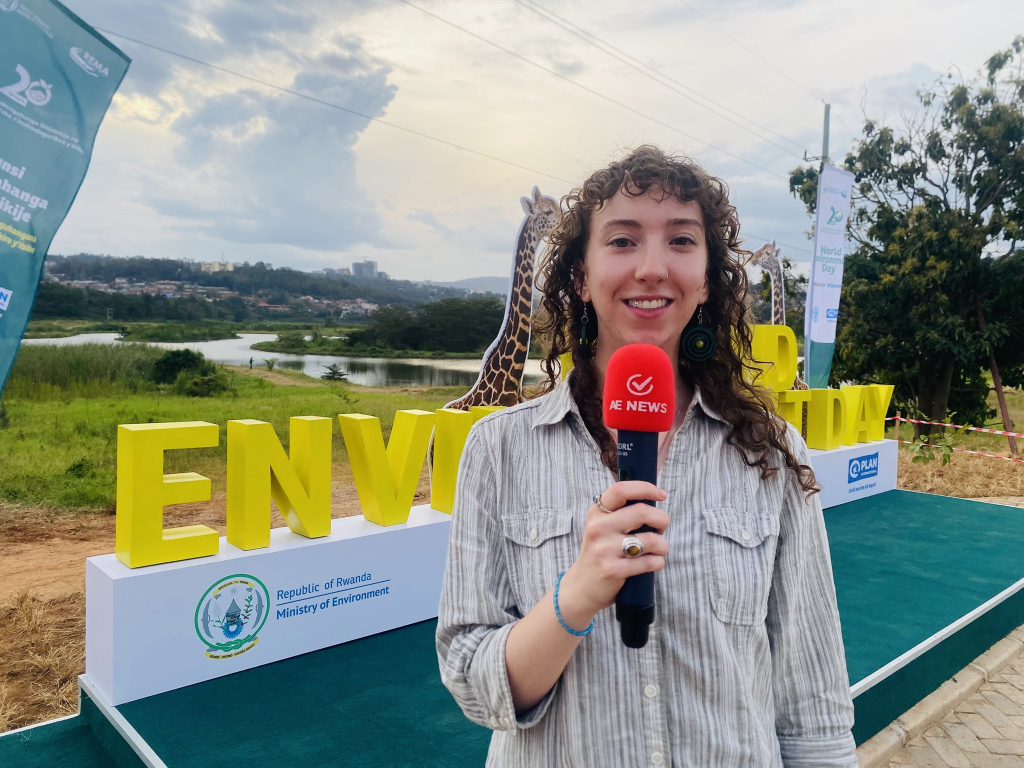
She described Rwanda as “more than just a country, it’s a destination for eco-tourism,” noting that within just one month of her arrival, she had already visited Nyandungu Eco-Park.
McLennon praised Rwanda’s remarkable cleanliness, strong environmental stewardship, and firm commitment to sustainable development, noting that these qualities position the country as a leading destination for nature-based tourism. She also expressed her excitement and enthusiasm about visiting and discovering more of Rwanda’s tourist attractions in the future.
Egide Minani, a student at East African University, commended the role of the Rwanda Environment Management Authority in supporting their Environmental Club, which operates within universities. He noted that REMA’s anniversary event greatly enhanced his understanding of the institution’s work, emphasizing that such engagement plays a key role in inspiring young people to take action and develop innovative, solution-based environmental initiatives.
As REMA marks two decades of impact, Kabera reaffirmed the institution’s commitment to building on its achievements and working closely with communities and partners to ensure a cleaner, greener, and more resilient Rwanda for future generations.