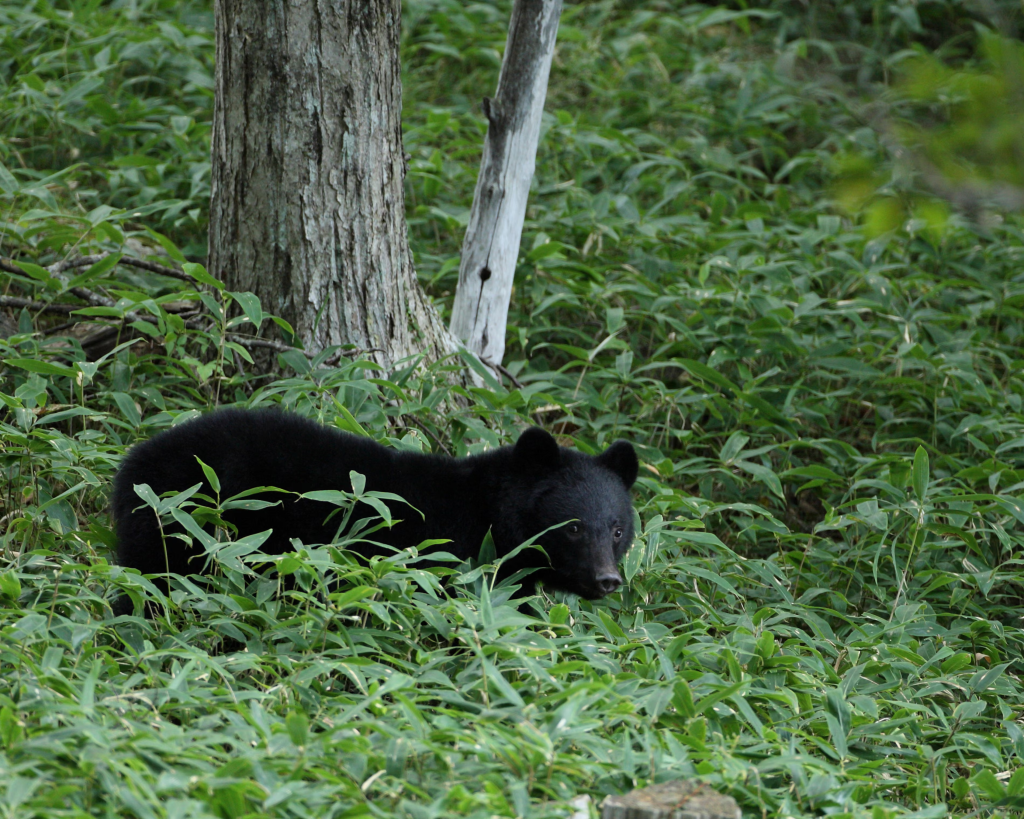

A city in northern Japan has temporarily closed nearly 100 schools following a series of rare bear sightings that triggered a large-scale safety response and growing concern among residents.
Utsunomiya City, located north of Tokyo, recorded its first recent bear sighting on Saturday. Authorities say the situation escalated over the following days as additional sightings were confirmed in several parts of the city, including near a junior high school, in a busy shopping district, and across residential and industrial areas.
Security footage later captured a bear moving through the city center, while police confirmed continued sightings on Monday night. The repeated appearances prompted joint patrols by police and wildlife management teams, who are working to track and safely capture the animal or animals involved.
As a precaution, officials ordered the closure of all public elementary and junior high schools while intensive search operations continue. The decision was taken to ensure student safety as authorities assess the extent of the risk and monitor the animal’s movements.
Residents have been urged to remain highly alert, keep doors and windows secured, avoid leaving garbage outside at night, and seek immediate safety indoors if a bear is spotted. Public alert systems and patrol vehicles have also been deployed across affected neighborhoods to support awareness and response efforts.
Authorities say the incident reflects a broader seasonal rise in bear activity across Japan following hibernation, with wildlife increasingly entering populated areas in search of food. Similar cases have been reported in other regions in recent weeks, raising national concern and prompting stronger monitoring measures.
Experts link the trend to environmental changes, reduced natural food availability in forests, and expanding human settlement into wildlife habitats, all of which increase the likelihood of human–wildlife encounters.
Police and wildlife teams are continuing joint patrols across affected areas to secure the area and prevent further incidents. They are closely monitoring reported locations, tracking movement patterns, and working to ensure public safety as the situation unfolds.