
He made the remarks on June 9, 2026, while appearing before members of the Parliamentary Committee on Education, Technology, Culture, Sports and Youth to discuss the implementation of Law No. 010/2021 governing the organization of education in Rwanda.
Dr. Kadozi explained that the law has created opportunities for higher learning institutions to introduce new academic programmes, contributing to improvements in the quality of education and attracting more international students to the country.
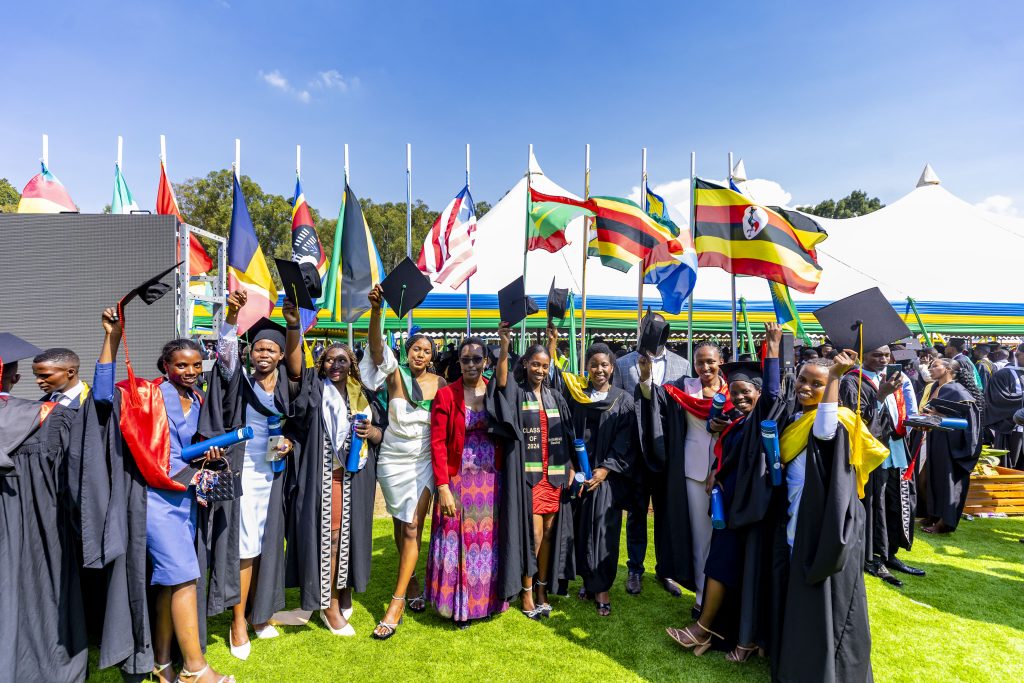
“The introduction of new programmes has created many opportunities for a wide range of courses to be offered. This law has provided us with that opportunity, to the extent that we now have about 13,000 international students, and that number continues to grow,” he said.
The increase in the number of international students reflects Rwanda’s growing reputation as a regional hub for higher education. Students from across Africa and beyond are increasingly choosing Rwanda because of its stable environment, expanding academic offerings, and efforts to align education with global standards and labour market demands.
Education authorities have also emphasized the importance of internationalization in strengthening Rwanda’s higher education system. The presence of foreign students fosters cultural exchange, enhances academic collaboration, and contributes to the country’s economy through tuition fees and other expenditures.
In recent years, Rwanda has undertaken reforms aimed at improving the quality and relevance of university education. These include strengthening accreditation processes, promoting research and innovation, and encouraging institutions to establish partnerships with international universities and organizations.
According to Dr. Kadozi, the flexibility introduced by the education law has enabled institutions to respond more effectively to emerging fields of study and the evolving needs of society, making Rwanda a more attractive destination for students seeking quality education in Africa.
As of the 2024/2025 academic year, Rwanda had 39 higher learning institutions, including universities and colleges, up from 37 institutions recorded in the previous academic year. The growth in the number of institutions, coupled with an increasing international student population, underscores the country’s ambition to position itself as a center of academic excellence on the continent.