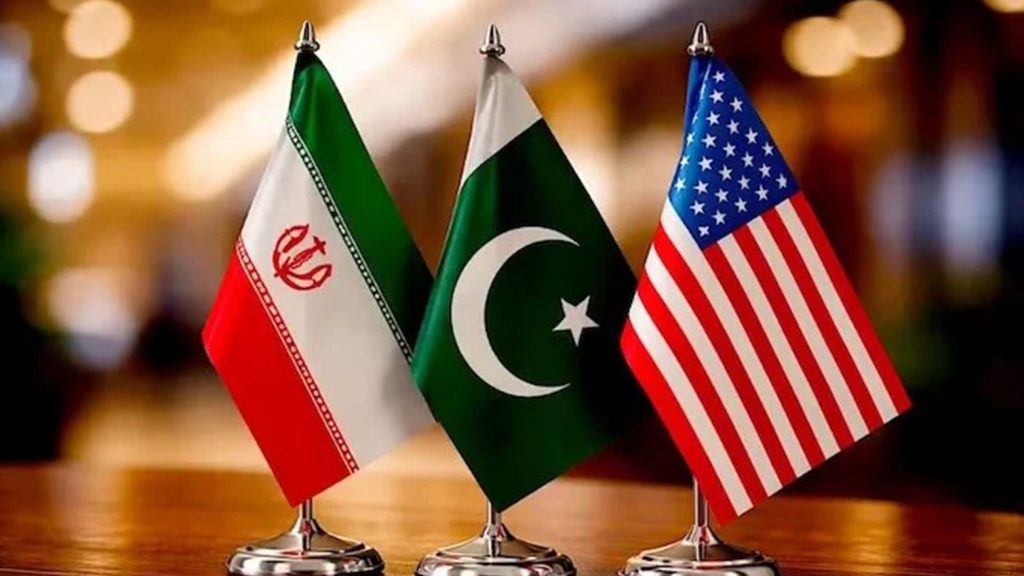

Speaking on the night of June 14, 2026, Sharif said both countries had endorsed a draft agreement aimed at permanently ending hostilities.
His announcement came after officials from the United States and Pakistan had earlier indicated that a ceasefire agreement was imminent, although Iran had not yet formally confirmed its participation amid ongoing domestic opposition to the deal.
Sharif stated that intensive negotiations involving both sides had resulted in a breakthrough.
“Both parties have agreed to immediately and permanently halt military operations, including ending hostilities in Lebanon. The official signing ceremony will take place on Friday, June 19, in Switzerland,” he said.
The Pakistani leader praised Washington and Tehran for choosing diplomacy as a path toward peace. He also acknowledged the role played by regional partners, particularly Qatar, in facilitating dialogue between the two countries.
“I would also like to thank the visionary leadership of Saudi Arabia and Türkiye for their significant contributions to this process,” Sharif added.
According to Sharif, the mediating countries will continue supporting technical discussions scheduled for this week to prepare for the implementation of the agreement.
Meanwhile, Donald Trump also confirmed that Washington and Tehran had agreed to the ceasefire framework.
“The agreement with Iran is now complete. I can confirm that the Strait of Hormuz will reopen, alongside the withdrawal of U.S. naval restrictions that had blocked Iranian vessels. Global shipping can resume, and oil supplies can once again reach all destinations,” Trump said.
The conflict escalated on February 28, when the United States and Israel reportedly launched strikes against Iran, resulting in the deaths of several senior Iranian officials, including Ali Khamenei.
Iran subsequently retaliated by closing the Strait of Hormuz, a vital shipping lane through which nearly 20 percent of the world’s oil supplies pass, while allowing access to some allied nations.
In response, the United States imposed restrictions on oil tankers travelling to and from Iranian ports. The disruption triggered a sharp rise in global oil prices, with crude reaching as high as $130 per barrel.
Countries including Qatar and the United Kingdom have welcomed the ceasefire agreement. It is expected that U.S. Vice President JD Vance will travel to Geneva, Switzerland, to attend the signing ceremony.