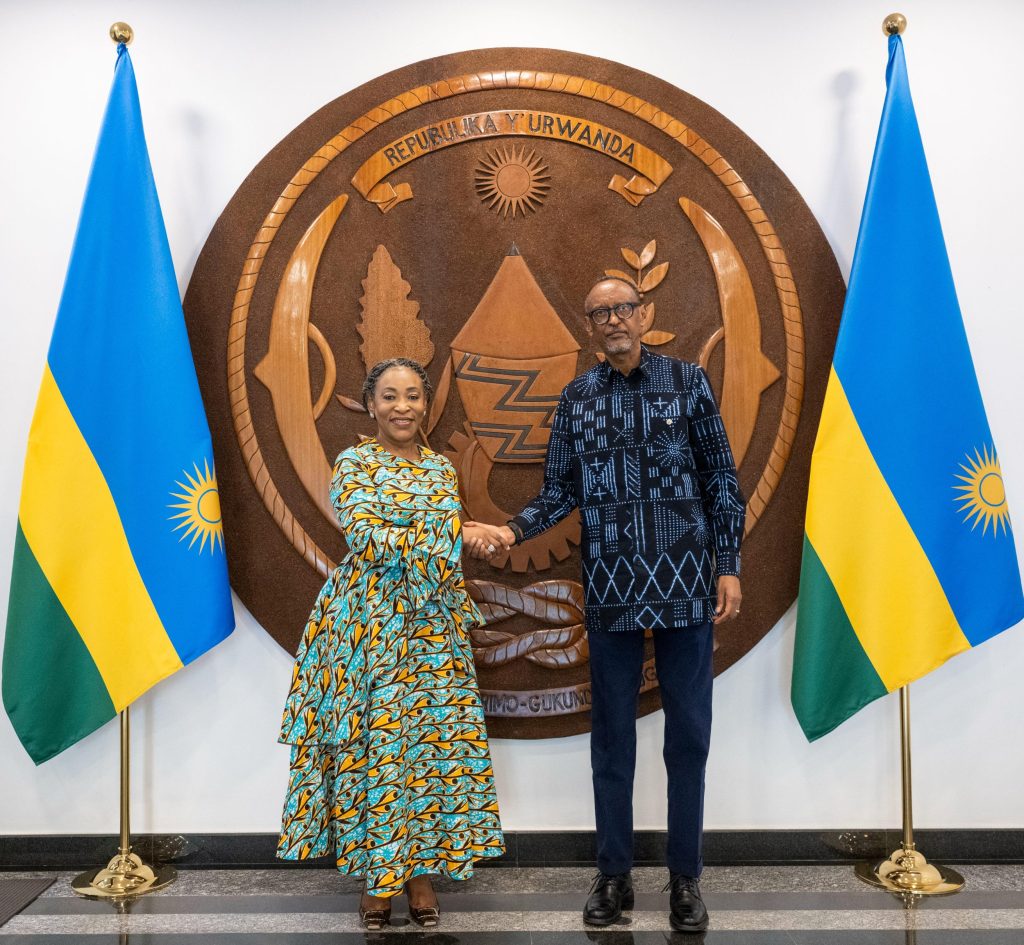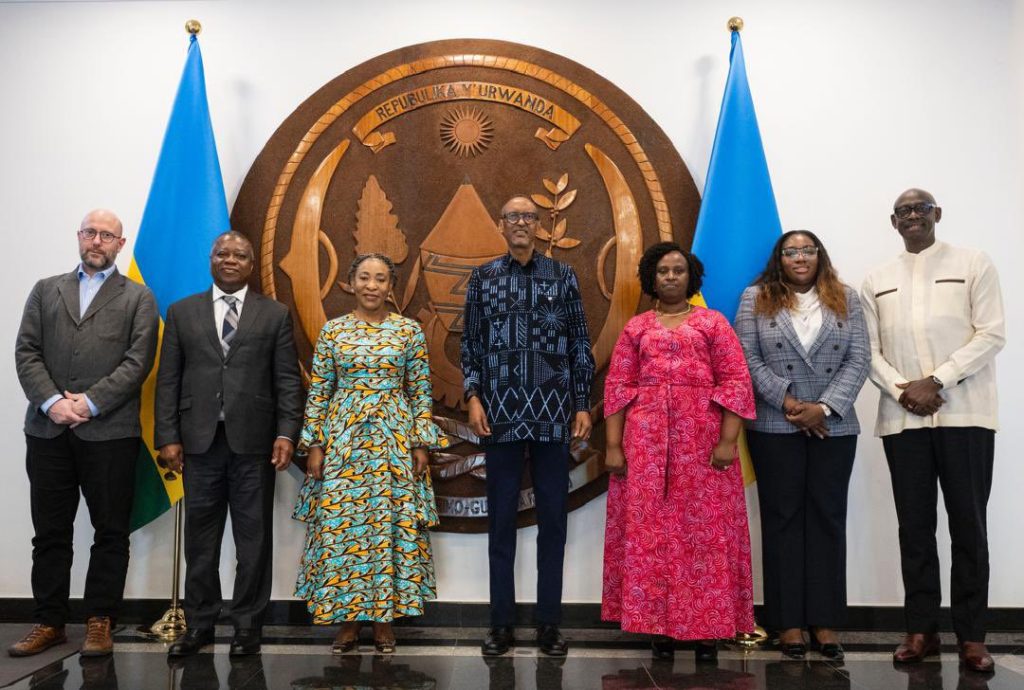
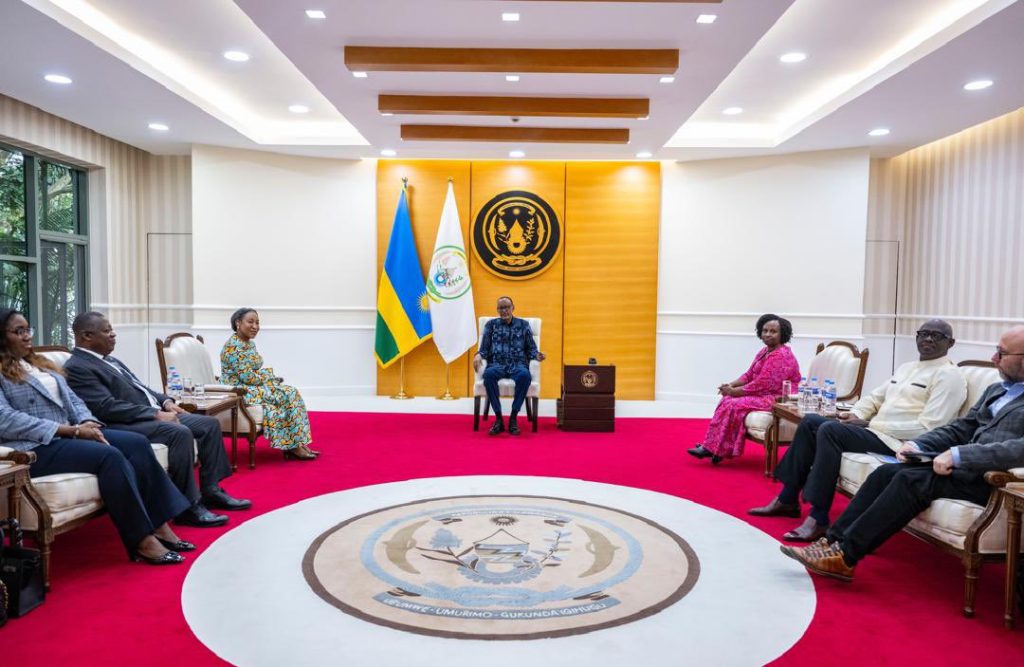

Botchwey made the remarks following talks with President Paul Kagame on June 14, 2026, during her working visit to Rwanda.
Their discussions focused on strengthening cooperation between Rwanda and the Commonwealth, as well as preparations for the upcoming Commonwealth Heads of Government Meeting (CHOGM) 2026.
After meeting President Kagame, Botchwey wrote on X that she had identified several areas where the organization could learn from Rwanda, particularly in the reforms it is currently undertaking.
“Thank you, President Kagame, for the warm welcome and insightful discussions. We look forward to working with Rwanda to accelerate Commonwealth reforms, including learning from Rwanda’s best practices in trade and investment to help shape a renewed Commonwealth trade and investment agenda for shared prosperity,” she said.
She added that the Commonwealth appreciated Rwanda’s partnership in ensuring the success of the leaders’ summit scheduled for November.
“We value Rwanda’s support in helping to deliver a successful Heads of Government Meeting and advancing a Commonwealth that works for all,” Botchwey stated.
Since assuming office in April 2025, Botchwey has advocated for reforms aimed at enhancing the effectiveness and relevance of the Commonwealth.
The proposed reforms include improving the governance of the Commonwealth Secretariat, strengthening trade, investment and economic cooperation among member states, and increasing support for vulnerable member countries, particularly in addressing debt burdens and responding to climate change.
Additional reforms are expected to focus on expanding programmes that support young people, women and girls across the Commonwealth.
These initiatives are set to be implemented under a five-year strategic framework covering the period from 2025 to 2030.
Rwanda joined the Commonwealth in November 2009 and has since emerged as one of the bloc’s leading reformers in creating a business-friendly environment, particularly for foreign investors.
In April 2026, the Rwanda Development Board announced that Rwanda registered $2.62 billion worth of investments in 2025, spread across 799 projects, up from 612 projects recorded in 2024.
According to the World Bank’s B-READY 2024 Report, Rwanda ranked third globally among countries making it easier to establish and operate businesses.
The assessment examined three key pillars: the regulatory framework, the quality of public services and infrastructure supporting businesses, and the overall operational efficiency of the business environment.
Rwanda placed third worldwide in the category measuring the ease of business operations under existing regulations and procedures, scoring 81.31%. It ranked behind Georgia, which scored 84.75%, and Singapore, which led with 87.33%.
On average, establishing a domestic business in Rwanda takes 32 days, while foreign-owned companies require approximately 39 days to become fully operational.
In the second pillar, which evaluates public services and infrastructure, Rwanda ranked eighth globally with a score of 67.37%. The countries ahead of Rwanda included Slovakia, New Zealand, Hungary, Portugal, Croatia, Singapore and Estonia, which topped the category with 73.31%.
Regarding legal and regulatory compliance, Rwanda ranked 17th globally with a score of 70.68%, while Hungary led this category with 78.23%.
Despite being classified as a low-income country, Rwanda made history by becoming the only nation within its income category to rank among the top 10 globally in two separate B-READY indicators, underscoring the country’s sustained efforts to improve its investment climate.