
Rwanda has taken a bold and forward-looking step by launching the process to nominate its Northern Province for recognition as a UNESCO Global Geoparks Network, a move that reflects the country’s growing ambition to position its natural heritage at the center of sustainable development, education, and global scientific collaboration.
If successful, the designation would mark a historic first for Rwanda and place the Northern Province among internationally recognized geological heritage sites that combine conservation with community empowerment and tourism development.
A world-class geological landscape in the making
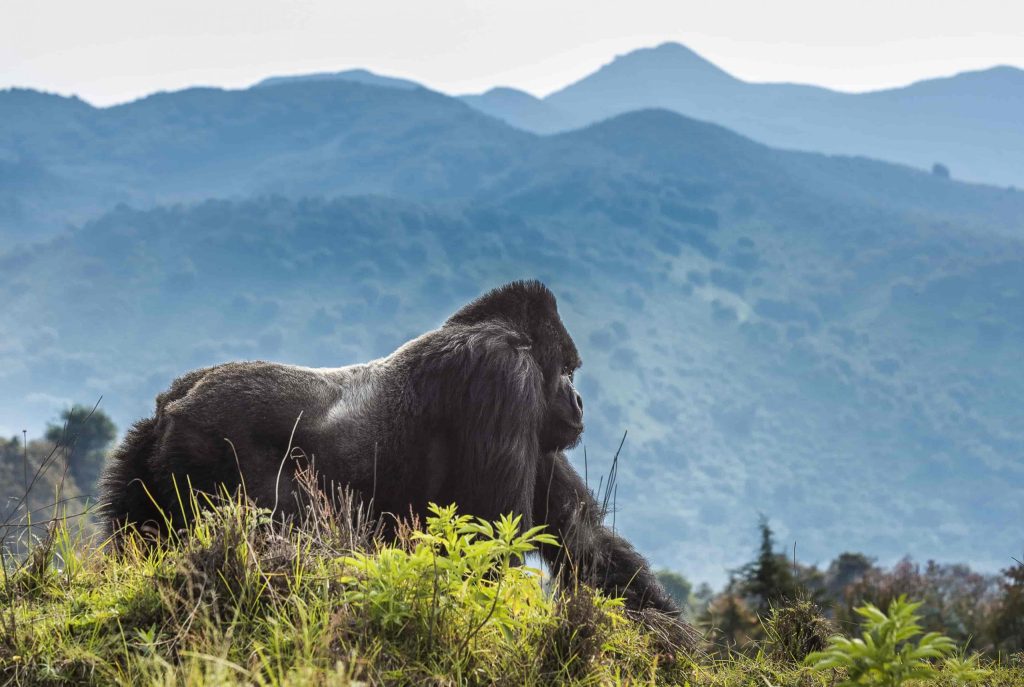
The proposed geopark area covers some of Rwanda’s most iconic natural features, including the volcanic peaks of the Virunga ranges, extensive lava formations, ancient cave systems, wetlands, and the scenic twin lakes of Burera and Ruhondo.
These landscapes form part of the broader geological system of the East African Rift Valley, one of the most important tectonic structures on Earth. Stretching across multiple countries, this rift continues to shape the continent through volcanic activity, shifting plates, and the formation of deep valleys and lakes.
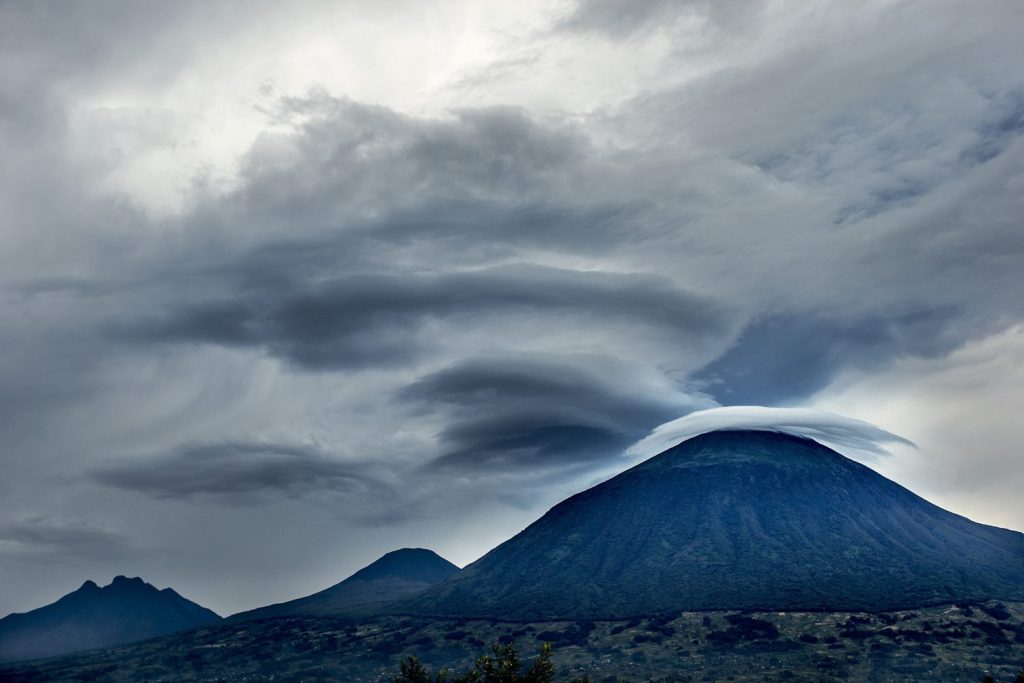
In Rwanda’s north, this powerful geological history is clearly visible, offering not only breathtaking scenery but also valuable scientific insights into how the Earth has evolved over millions of years.
Strong scientific foundation behind the nomination
The geopark initiative is backed by extensive scientific research and field assessments conducted in 2025, which confirmed that the Northern Province holds outstanding geological and ecological value.
Experts identified a wide range of geosites, including the Virunga volcanic chain, Musanze Cave system, Rugezi Wetland, and exposed ancient rock formations that date back millions of years. Together, these features present a rare geological record that connects Rwanda to the broader story of continental formation in Africa.
Officials say the findings provide a strong scientific basis for Rwanda’s nomination dossier, which must be completed and submitted within six months.
A vision that links conservation and development
Beyond its scientific importance, the geopark proposal is strongly aligned with Rwanda’s long-term development goals. Authorities emphasize that the initiative is not only about protecting natural heritage but also about transforming it into a driver of inclusive growth.
The Northern Province is expected to benefit through expanded geotourism, increased international research activity, and new opportunities for local communities in hospitality, guiding services, transport, and cultural tourism.
Governor Maurice Mugabowagahunde has described the initiative as a transformative opportunity that will strengthen livelihoods while preserving the region’s unique landscapes for future generations.
He highlighted that the province’s natural assets are complemented by vibrant communities, cultural traditions, and a strong spirit of resilience, elements that further strengthen the case for global recognition.
Communities at the heart of the initiative
A key strength of the geopark vision is its community-centered approach. Residents are expected to play an active role in protecting, managing, and benefiting from the sites.
Authorities emphasize that generations of traditional knowledge about the land will be integrated into conservation and tourism planning, ensuring that development is both inclusive and culturally grounded.
This approach aims to ensure that conservation does not exclude communities but instead creates opportunities for them to thrive alongside protected heritage.
Building systems for long-term success
To meet UNESCO requirements, Rwanda is strengthening governance structures, improving site documentation, and clearly defining geopark boundaries. Technical working groups are also being established to guide the preparation of the nomination dossier and coordinate scientific, environmental, and community-based inputs.
Key priorities include enhancing environmental education, expanding research opportunities, improving tourism infrastructure, and ensuring sustainable resource management across the proposed geopark area.
Rwanda stepping onto the global stage
If approved, Rwanda’s Northern Province would join the UNESCO Global Geoparks Network, which includes more than 220 geoparks across over 50 countries worldwide.
Africa already hosts several recognized geoparks, including Morocco’s M’Goun and Jbel Bani geoparks and Tanzania’s Ngorongoro-Lengai geopark, all known for their exceptional geological and cultural significance.
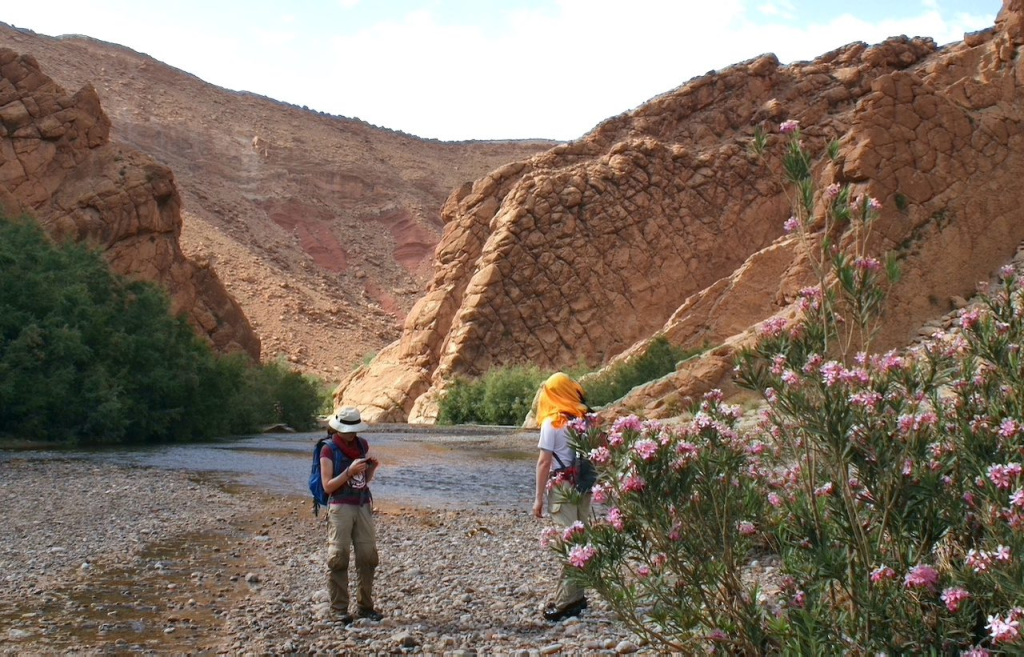
Joining this global network would position Rwanda as an emerging leader in geotourism and environmental innovation, expanding its international profile beyond wildlife conservation.
A promising future ahead
Looking beyond the Northern Province, experts believe Rwanda has additional potential sites that could one day be considered for geopark status, including volcanic zones around Lake Kivu, geothermal areas in the western region, and ancient geological formations within Nyungwe.
For now, however, the focus remains on completing the nomination process for the Northern Province.
With strong scientific backing, clear government commitment, and active community involvement, the initiative represents a powerful step toward positioning Rwanda as a global hub for sustainable tourism, geological research, and environmental conservation.