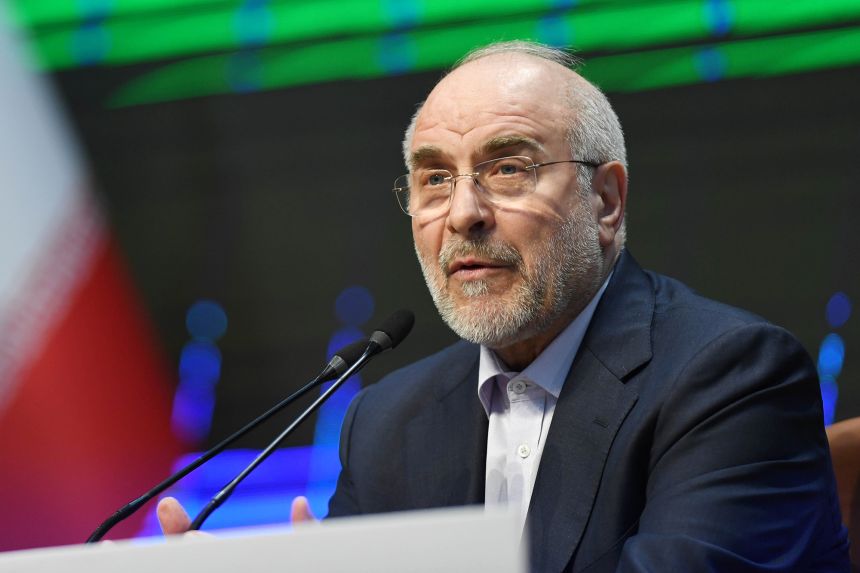

His remarks came as negotiations between Iran and the United States continue in Switzerland, where both sides are seeking a permanent end to the conflict that has pitted them against each other. The talks are being led by U.S. Vice President JD Vance, with Qatar and Pakistan acting as mediators.
Ghalibaf said U.S. threats would not force Iran to change its positions and stressed that the country’s military stands ready to retaliate in any manner it deems appropriate.
“They should not think that we act under American threats. They should be careful about what they say. Our armed forces are ready to respond in another way. Whatever they do, we will do,” Ghalibaf said.
His comments followed remarks by President Donald Trump, who warned that if Iran were to close the Strait of Hormuz, Iranian negotiators would not be able to return to their country.
Trump also said that if ongoing negotiations fail to produce an agreement, the United States would take control of the strategic waterway and begin imposing tariffs on commercial vessels passing through it, including tankers transporting petroleum products.
The Strait of Hormuz, located between Iran and Oman, serves as a critical route for global energy supplies, with roughly a fifth of the world’s oil trade passing through it. Analysts have long warned that any attempt to disrupt shipping in the narrow passage could trigger sharp increases in oil prices and heighten geopolitical tensions.
Iran has repeatedly threatened to close the strait during periods of heightened tensions with Western powers, though it has never carried out such a move. Tehran maintains that its military presence in the Gulf is intended to safeguard national security and protect its economic interests.
The latest war between the United States and Iran has already affected energy markets and maritime traffic in the region, prompting international calls for restraint. Countries heavily dependent on Gulf oil exports have closely monitored the situation, fearing that a prolonged conflict could disrupt supply chains and fuel inflation worldwide.
Diplomatic efforts in Switzerland have produced a temporary ceasefire and a broad framework for further negotiations, but major differences remain over sanctions, regional security and freedom of navigation. Technical discussions are expected to continue in the coming days as mediators seek to turn the current truce into a lasting agreement.
Officials from Qatar and Pakistan, which have played key mediating roles, have urged both sides to avoid inflammatory rhetoric and focus on the opportunity presented by the talks. They have expressed hope that sustained dialogue can prevent a return to open hostilities and pave the way for broader stability in the Middle East.
Despite the war of words, both Washington and Tehran have signaled that they remain committed to negotiations, raising cautious optimism that diplomacy could avert another escalation in one of the world’s most strategically important regions.