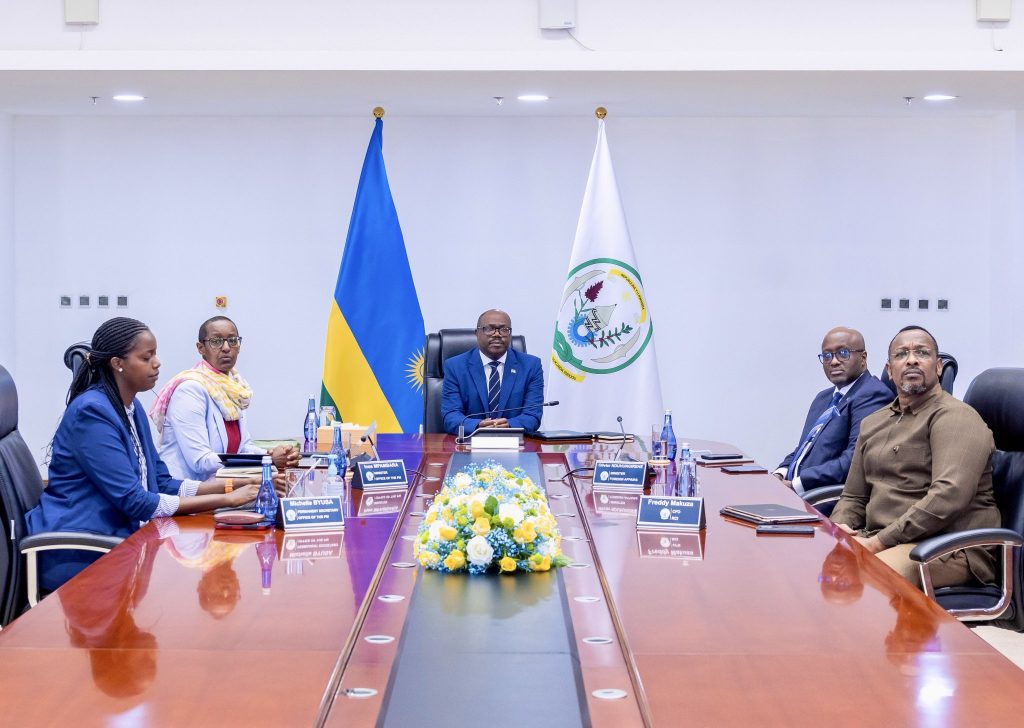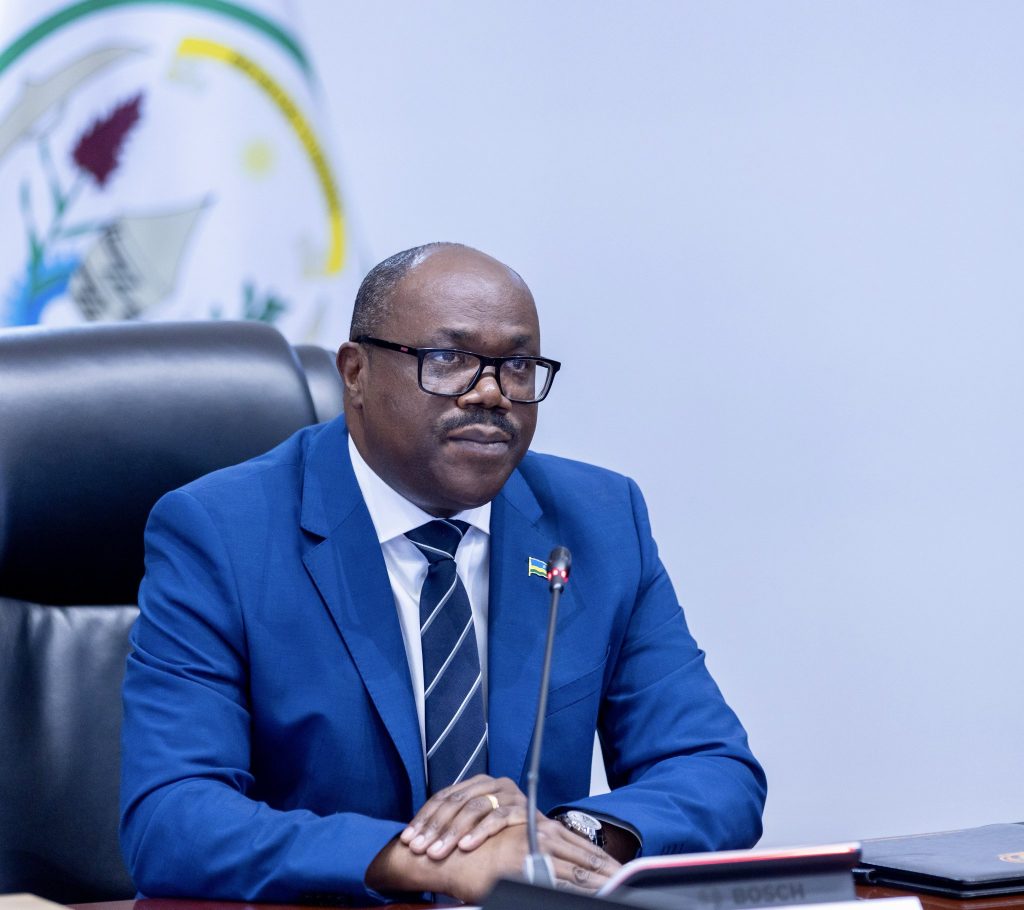

Prime Minister Dr. Justin Nsengiyumva has said that after the 1994 Genocide against the Tutsi, Rwanda emerged devastated, but the lessons learned included planning for the future, relying on home-grown solutions, and ensuring citizens actively participate in national development.
Participating virtually, Dr. Nsengiyumva shared key lessons Rwanda has drawn from its painful history.
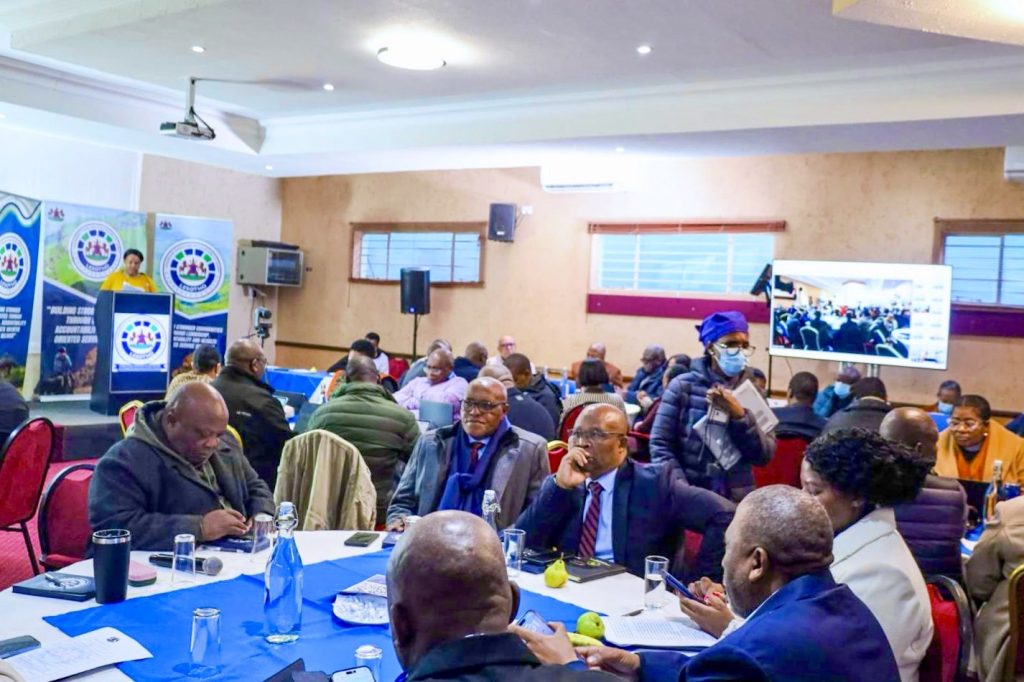
The Prime Minister expressed appreciation for the cooperation between Rwanda and Lesotho, which has provided opportunities for both countries to exchange ideas on governance and development.
Reflecting on Rwanda’s past, he said the country chose to focus on building the future rather than being defined by its history.
“Rwanda emerged from the 1994 Genocide against the Tutsi with enormous challenges. Institutions had collapsed, the economy was shattered, and the population was traumatized. But one thing we retained was the ability to choose our future,” he said.
Dr. Nsengiyumva explained that Rwanda adopted a governance approach that ensured the tragedies it experienced would not become obstacles to the country’s ambitions.
He said the first lesson Rwanda learned was the importance of long-term planning. In the early 2000s, the country introduced Vision 2020, which helped improve living standards and increased life expectancy and optimism among Rwandans.
According to him, Vision 2020 and Vision 2050 have provided a common direction and strengthened coordination among institutions.
“The most important achievement was creating a culture of long-term planning that guides daily activities and keeps all institutions aligned with the national vision,” he said.
Another lesson, he noted, was maximizing the country’s strengths. Rwanda chose to capitalize on its limited natural resources while expanding sectors such as conferences, sports and entertainment.
“Rwanda may not have abundant natural resources, but it has good governance, strong institutions and sound economic management based on national capabilities,” he said, emphasizing that fighting corruption remains a cornerstone of development.
Citizens as Partners in Development
Dr. Nsengiyumva stressed that after 1994, Rwanda prioritized rebuilding trust between leaders and citizens, recognizing that development cannot succeed without public participation.
“Development should not be done for citizens, but achieved together with them,” he said.
He highlighted initiatives such as Umushyikirano, which allow citizens to hold leaders accountable and ensure they remain involved in implementing national programs, rather than interacting with leaders only during elections.
The Prime Minister acknowledged that Rwanda has not solved every challenge and noted that the country’s home-grown solutions may not necessarily work elsewhere, emphasizing that each nation must find solutions suited to its own context.
He added that cooperation between Rwanda and Lesotho has become a practical platform for knowledge exchange and technical collaboration.
Through sharing experiences in areas including information technology, public finance management, service delivery and governance reforms, Rwanda has worked with several countries in Africa and beyond, including Eswatini, Guinea, Zambia, Chad, Nigeria, Jamaica and Lesotho.
Courtesy of IGIHE