
The first trips were made on June 23, 2026. Previously, electric buses were mainly used for short-distance services, especially within Kigali and on routes connecting the capital to eastern Rwanda.
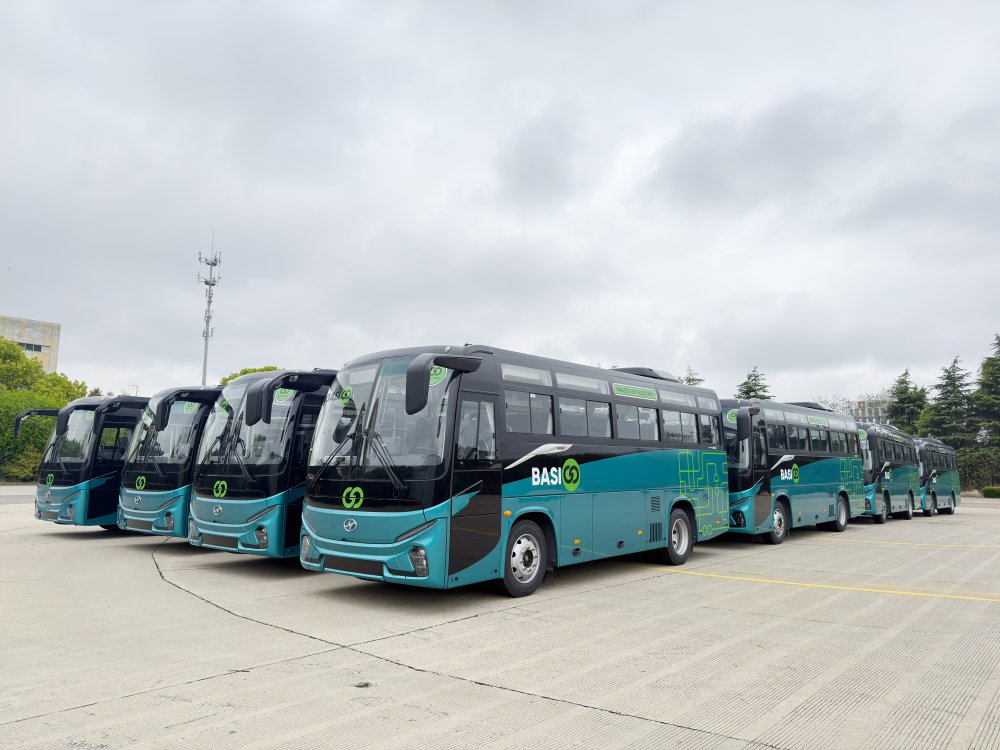
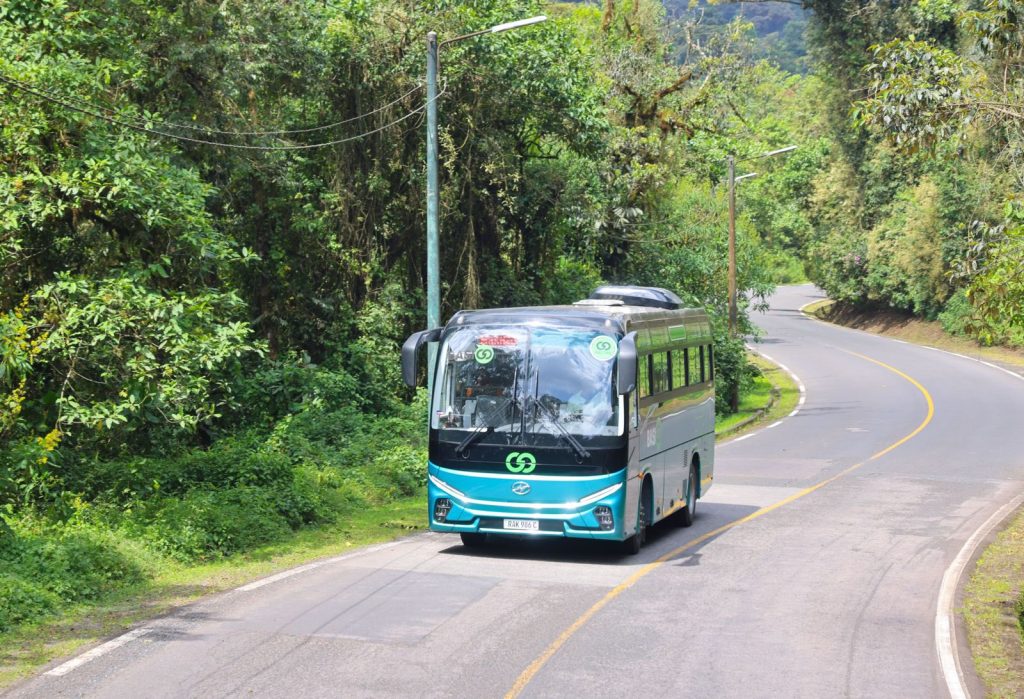
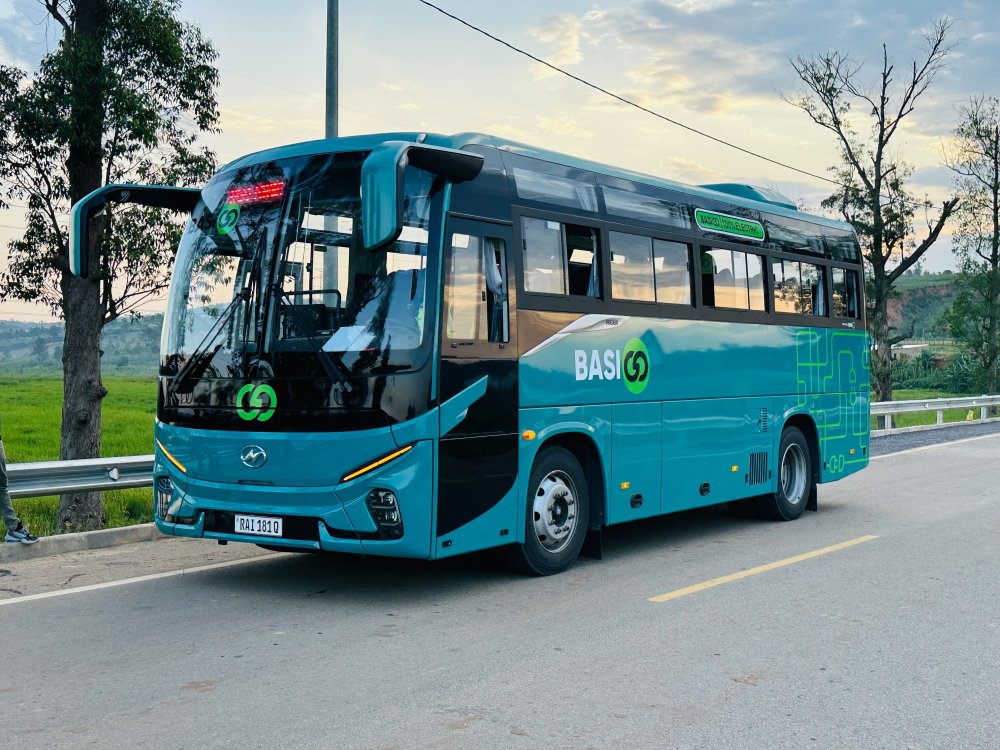
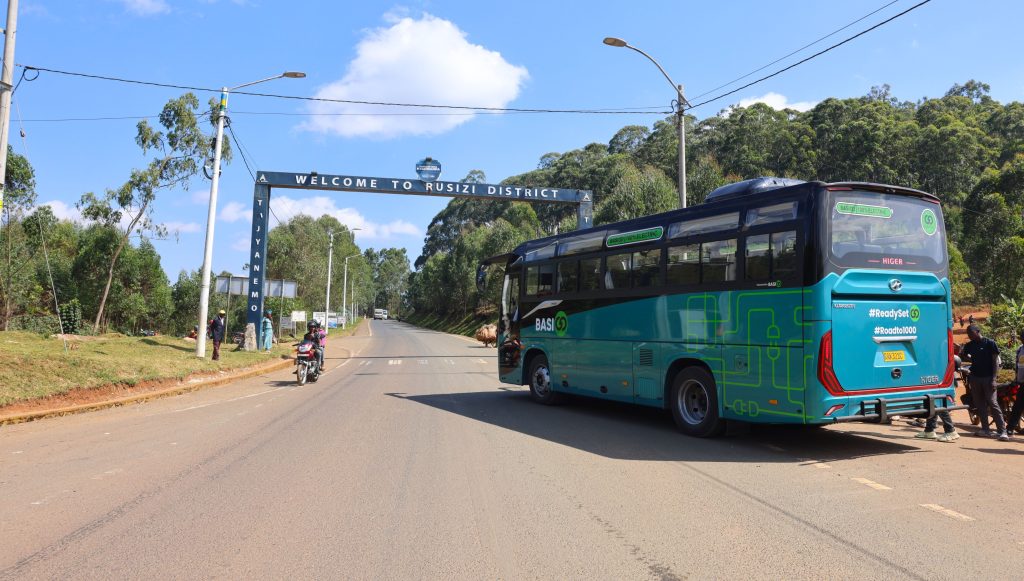
BasiGo, the company supplying electric buses in Rwanda, recently acquired 18 new buses intended for operations in different provinces. Tests carried out on the vehicles showed that they are reliable and capable of handling long-distance journeys such as Kigali–Rusizi.
The buses have already been delivered to three passenger transport companies that purchased them and have started using them on routes including Kigali–Rusizi and Kigali–Rubavu.
Plans are also underway to build charging stations along various routes. According to BasiGo’s Chief Finance and Assets Officer, Alain Kabera, a charging station will be constructed in Huye to allow buses traveling from Rusizi to recharge even before their batteries are depleted.
“Since traffic conditions can change unexpectedly and increase energy consumption, it is important to have a charging point along the route to ensure buses do not run out of power,” Kabera explained.
The expansion of electric buses to provincial routes is part of Rwanda’s efforts to modernize and improve public transport services. Transport powered by electricity is cheaper to operate than vehicles that rely on petroleum products and helps reduce greenhouse gas emissions and air pollution.
The launch of long-distance electric bus services marks a significant milestone in Rwanda’s transition to cleaner mobility. The country has been promoting electric vehicles through supportive policies aimed at reducing fuel imports and cutting carbon emissions in line with its climate commitments.
Industry experts believe the successful deployment of electric buses on the Kigali–Rusizi corridor could pave the way for similar services on other major routes across the country. Increased investment in charging infrastructure and the growing adoption of electric vehicles are expected to strengthen Rwanda’s position as one of Africa’s leading markets for sustainable transport.
Passengers are also expected to benefit from quieter and more environmentally friendly journeys, while transport operators could see lower operating costs over time due to reduced spending on fuel and vehicle maintenance.