
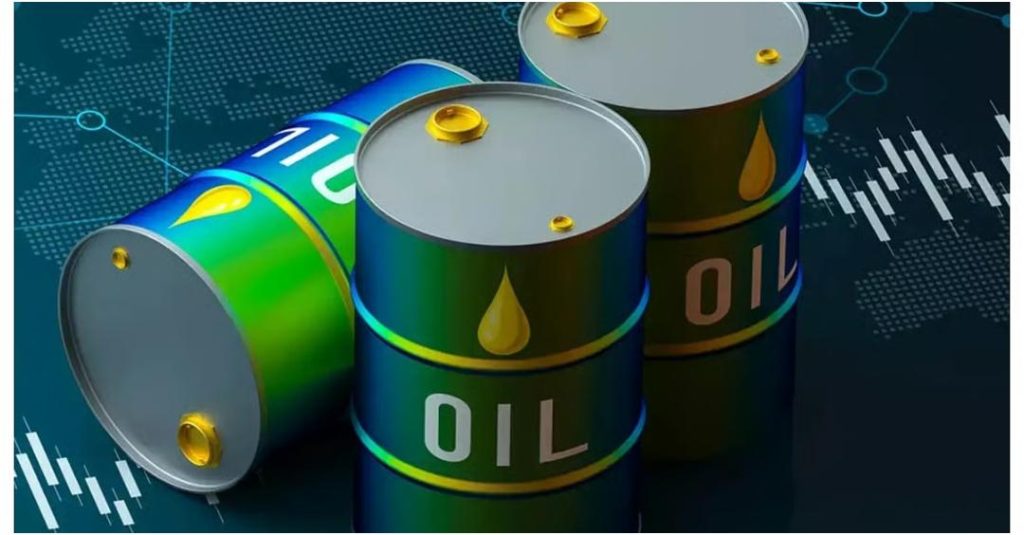

On June 25, 2026, a barrel of crude oil was trading at $72.48 on international markets, marking the most significant decline since the outbreak of the war.
When the United States and Israel launched military operations against Iran in February, Tehran responded by closing the Strait of Hormuz, a strategic waterway through which around 20% of the world’s oil supplies pass, in retaliation.
The closure triggered a sharp rise in global energy prices. Crude oil prices surged beyond $120 per barrel, while transportation and shipping costs increased significantly across many regions of the world.
According to the maritime analytics firm Kpler, since the United States and Iran signed the 60-day ceasefire agreement, a total of 284 vessels carrying oil, natural gas, and fertilizers have transited through the Strait of Hormuz.
To prevent further disruptions to maritime trade in the vital shipping corridor, Qatar and Pakistan have been maintaining close coordination with both the United States and Iran to ensure safe passage for commercial vessels.
The resumption of shipping activity through the Strait of Hormuz has been a key factor behind the decline in global oil prices. Markets have responded positively to the reduced risk of supply disruptions, easing concerns that had fueled months of volatility in the energy sector.
Lower oil prices are expected to provide relief to consumers and businesses worldwide, particularly in countries heavily dependent on imported fuel. Economists note that cheaper energy costs could help reduce inflationary pressures that intensified during the conflict.
In the United States, fuel prices have already begun to reflect the market shift. A 3.8-liter gallon of gasoline, which sold for about $4.00 in April, had fallen to approximately $3.93 by late June, offering modest savings to motorists.
Analysts caution, however, that oil markets remain sensitive to developments in the Middle East. Any breakdown in the ceasefire agreement or renewed tensions in the Strait of Hormuz could quickly reverse the recent decline in prices and once again disrupt global energy supplies.