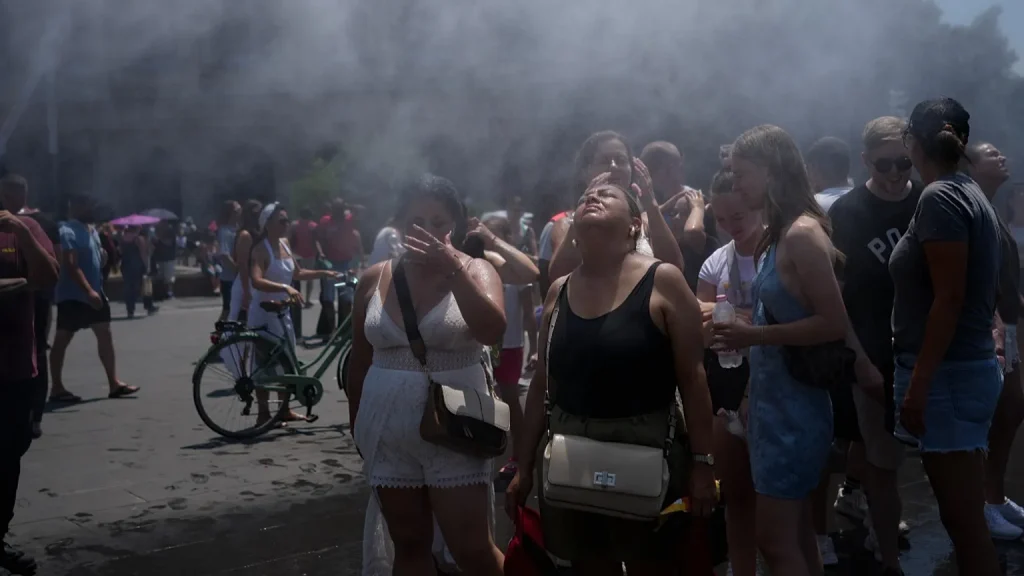
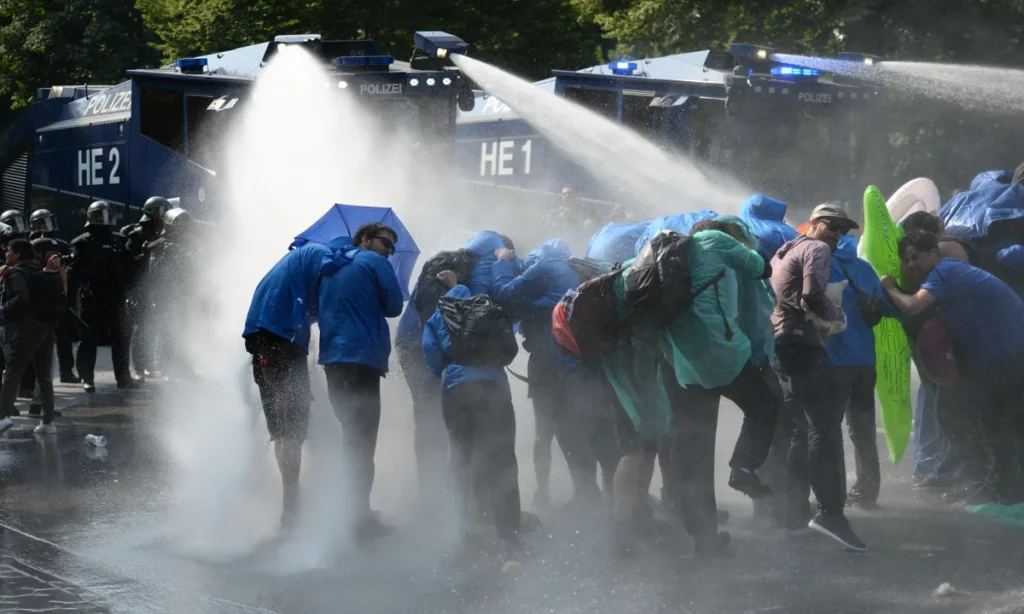

The vehicles were driven through several parts of the German capital, including Brandenburg Gate, Potsdamer Platz, and the area around the Reichstag, where they sprayed water into the air and across the streets to provide temporary relief from the extreme temperatures.
The initiative was warmly welcomed by both residents and visitors, many of whom described it as a creative and practical response to the scorching weather that has gripped much of the country in recent days.
According to the German Weather Service (DWD), temperatures reached as high as 41.5°C in some regions during the day, while nighttime temperatures remained unusually high at around 29.4°C, offering little relief from the heat.
The prolonged period of extreme temperatures has made conditions especially difficult in major cities, where buildings and paved surfaces retain heat overnight, increasing health risks for vulnerable groups such as older adults, children, and people with underlying medical conditions.
Health authorities have urged the public to stay hydrated, avoid strenuous outdoor activities during the hottest hours of the day, and regularly check on elderly relatives and neighbors. Cooling centers and public water stations have also been made available in some municipalities to help residents cope with the heat.
Meteorologists say the current heatwave is expected to ease over the coming days. Forecasts indicate that thunderstorms and scattered rainfall could move into parts of the country, helping to lower temperatures.
By early next week, daytime temperatures are expected to fall to between 27°C and 31°C, bringing much-needed relief after one of Germany’s most intense heatwaves on record.
The extreme weather has once again fueled discussions about the growing impact of climate change across Europe, where heatwaves have become more frequent, longer-lasting, and more intense in recent years. Experts continue to warn that governments will need to invest in heat adaptation measures, including expanding urban green spaces, improving emergency response systems, and protecting vulnerable populations from the increasing risks posed by extreme temperatures.