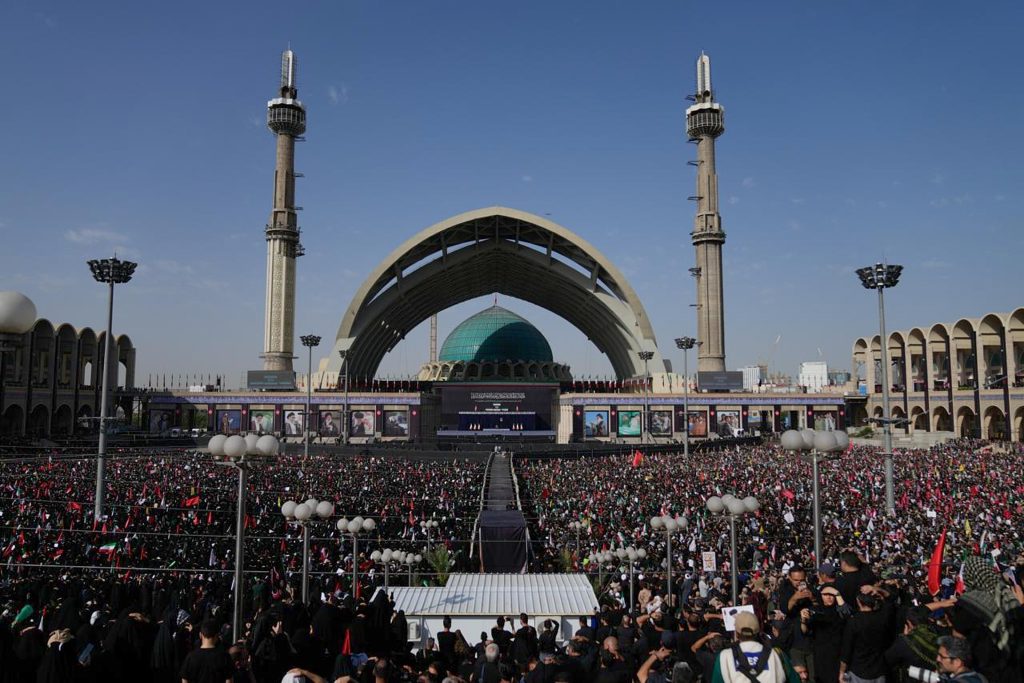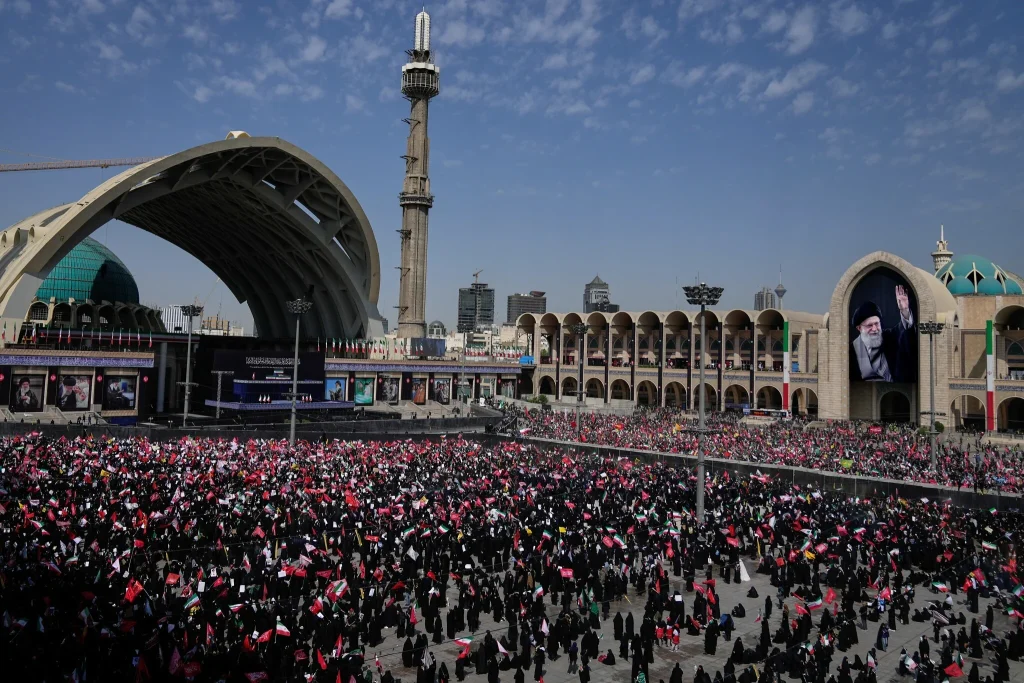

More than 10 million people are expected to attend his funeral ceremonies in Tehran, including delegations from over 100 countries. The event carries enormous political significance for Iran, as Khamenei had spent nearly four decades as one of the nation’s most influential leaders, shaping the country’s political, military, and ideological direction.
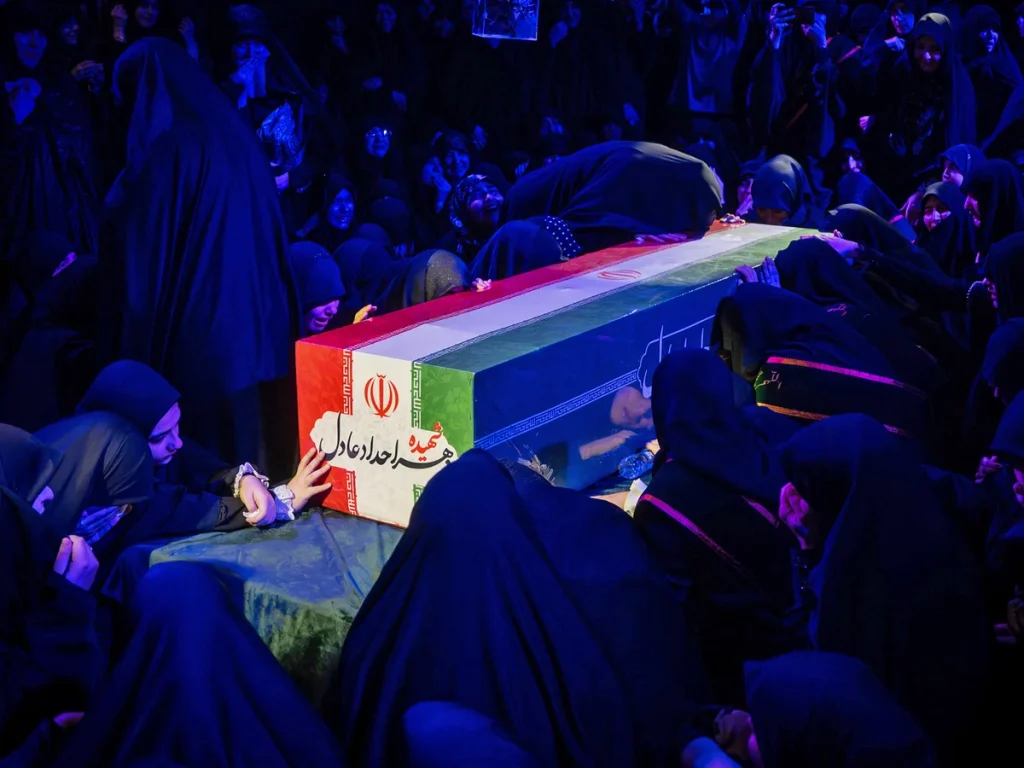
The funeral ceremonies will span several days and take place in Tehran, Qom, Iraq, and Mashhad, where he is expected to be laid to rest. In addition to Khamenei, funeral rites will also be held for members of his family who were killed in the same attack, including his daughter, daughter-in-law, son-in-law, and his three-year-old grandchild.
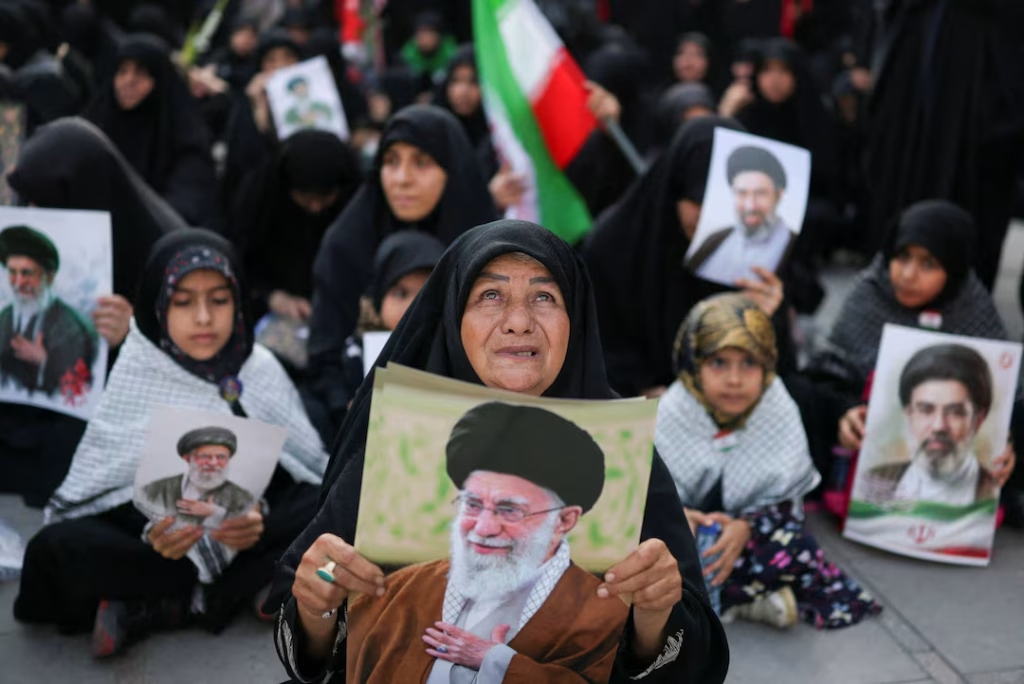
Videos widely shared on social media show grieving citizens, senior government officials, military personnel, and others overcome with emotion, with many breaking down in tears over his death. Large crowds have gathered along major streets in Tehran, chanting religious slogans and paying tribute to a leader who dominated Iran’s political landscape for decades.
In the streets of Tehran, mourners have been seen carrying red flags, which are widely regarded as a symbol calling for revenge. The scenes underscore fears that Khamenei’s death could further escalate tensions between Iran and Israel, at a time when the region is already experiencing heightened instability.
Ayatollah Ali Khamenei became Iran’s Supreme Leader in 1989 following the death of Ayatollah Ruhollah Khomeini, the founder of the Islamic Republic. Throughout his tenure, he exercised ultimate authority over the country’s armed forces, judiciary, state media, and key foreign policy decisions. His influence shaped Iran’s domestic governance and its relations with regional and global powers for nearly four decades.
His death marks one of the most significant turning points in the history of the Islamic Republic. Political observers believe the transition of power could have far-reaching consequences for Iran’s internal politics, its regional allies, and ongoing tensions with Western nations and Israel.
The conflict that led to Khamenei’s death has already claimed hundreds of lives and caused widespread destruction. International leaders have continued to call for restraint and renewed diplomatic efforts, warning that further escalation could destabilize the Middle East and have broader global security and economic implications.
As millions continue to gather to bid farewell to Iran’s longest-serving Supreme Leader, security remains exceptionally tight across the country. Authorities have deployed thousands of security personnel to manage the massive crowds, while state media has provided continuous coverage of the ceremonies, portraying the turnout as a demonstration of national unity during one of the most consequential moments in Iran’s modern history.